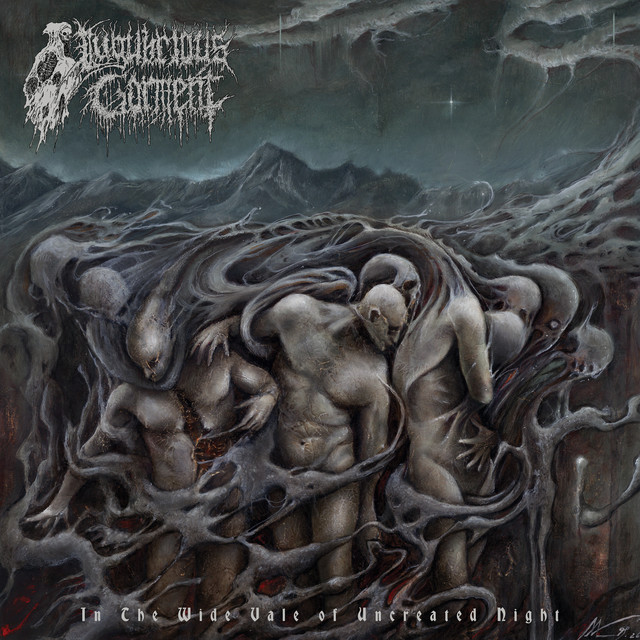
In The Wide Vale Of Uncreated Night
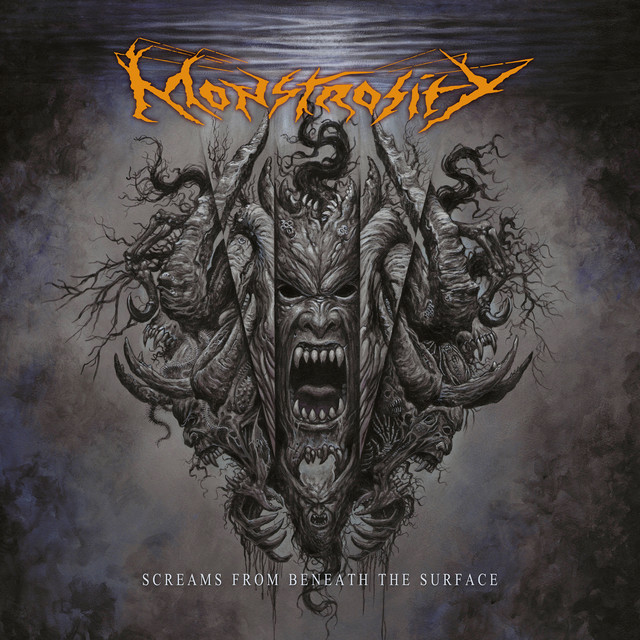
Two appetites share the same frame on this debut: the urge to flatten the listener and the pull toward something softer. Tremolo picking and jagged, snapping riffs keep the tempo near a sprint, and the blasts arrive so often they start to feel like weather. Then the record cracks open. A violin and viola line rises out of the din, a piano phrase drifts in once the storm has passed, and the drumming sometimes loosens into a jazz-tinged swing beneath the thrash.
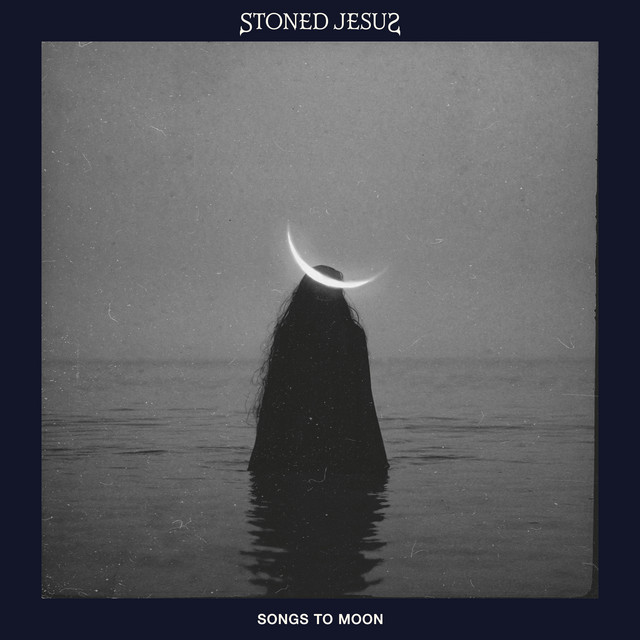
Songs to Moon
The opener rolls in with a dense, low-slung guitar tone, and the riffs seem to sit on the floor of the mix rather than above it. Two vocal lines push against each other: a rasping bark and a clean line that rises out of it. The rhythm section keeps a steady, unhurried churn, leaving each riff room to ring before the next one arrives. Around the middle, "Syzygy" strips away all distortion and lets clean guitars hang over a moving, airy bed of sound, a deliberate reset before "Jackal" turns theatrical, shifting shape from one passage to the next.
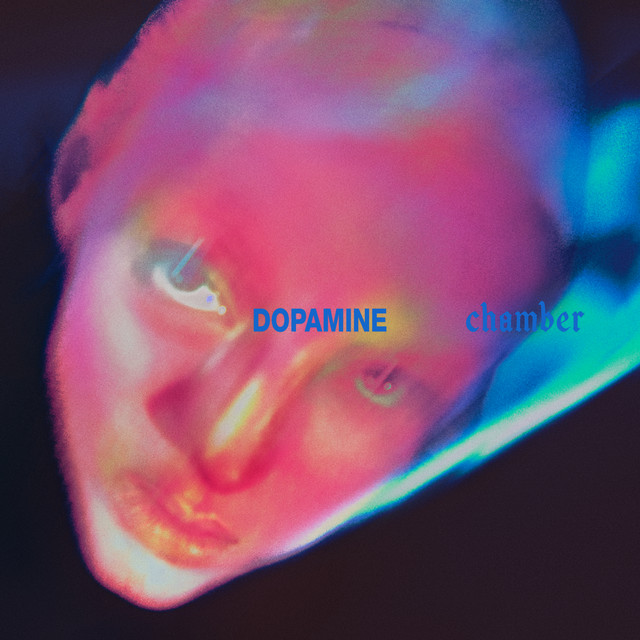
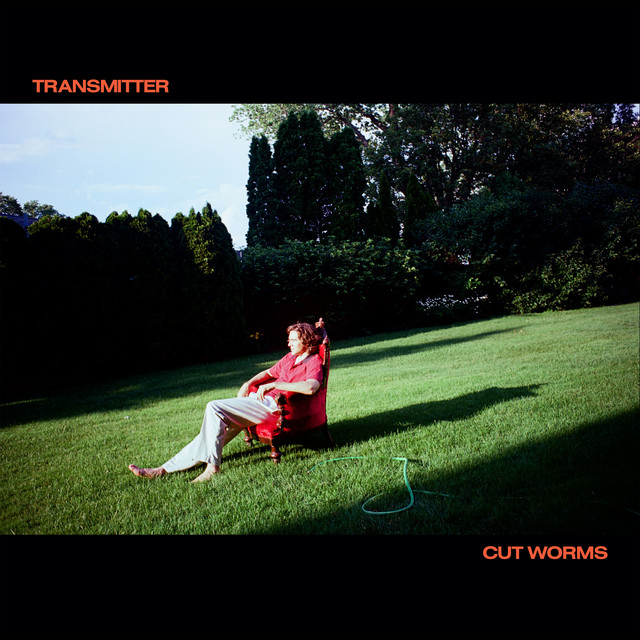
Dopamine Chamber
Bass figures run through filters until their edges blur, and synth lines hover instead of striking, so the opening stretch sits inside a haze that the arrangements keep for much of the runtime. Grian Chatten's voice stays close and slightly reverberant on top, while the drums hold a repetitive, forward-leaning pulse that borrows from older krautrock grooves without imitating them. Strings recur across the tracklist and give the band a scale its guitars rarely reached. Chatten recorded his vocals separately in a homemade booth, and that nearness carries into the mix.
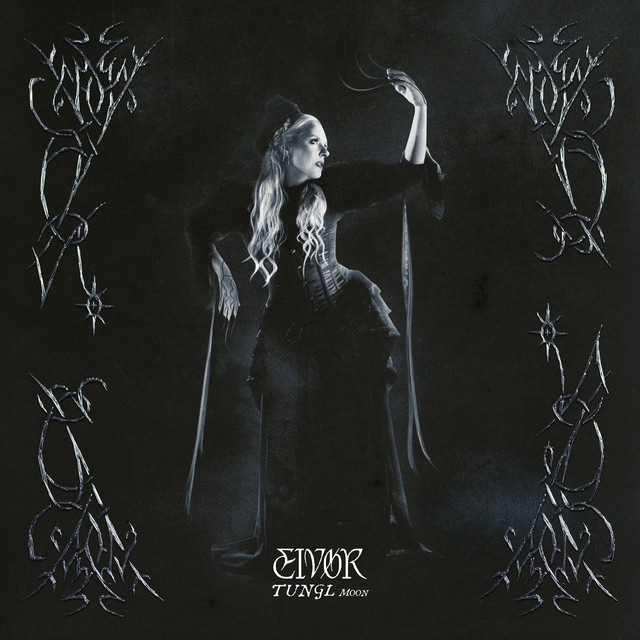
Tungl
Tungl is a moody, carefully made record whose ideas run thinner than its atmosphere. Eivør's voice carries nearly every turn, and the production is built to give it room: pulsing synth bass, low processional drums, and the occasional guitar that cuts through the murk.
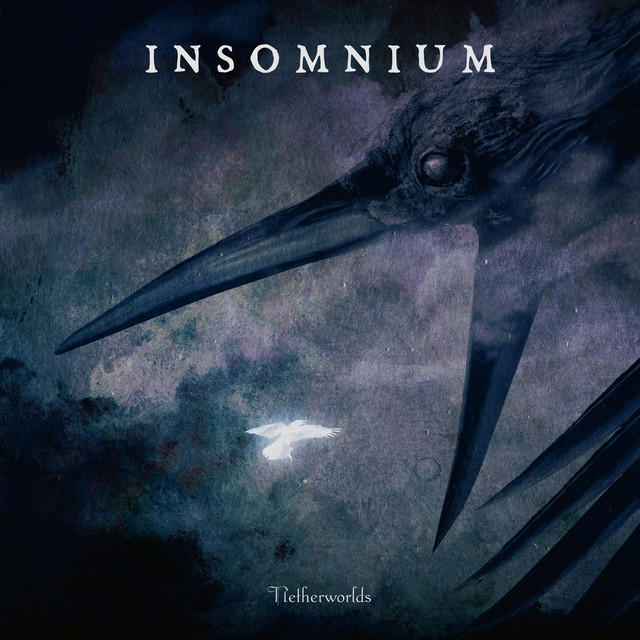
Netherworlds
"The Hour Grows Late" is the eight-minute hinge of the record, and it plays more like a suite than a single. It opens low and unhurried, a figure circling itself until the guitars gather and the tempo tightens into a churning passage where tremolo lines climb and fall away. A guest from Amorphis then takes over with a broad, open clean voice, and the death vocals return rawer than usual, as if the singer has been pushed past his comfort zone. Soft gives way to hard, hard to folk-tinged calm, and back again, with no section lingering long enough to become a riff you could carry out of the room.
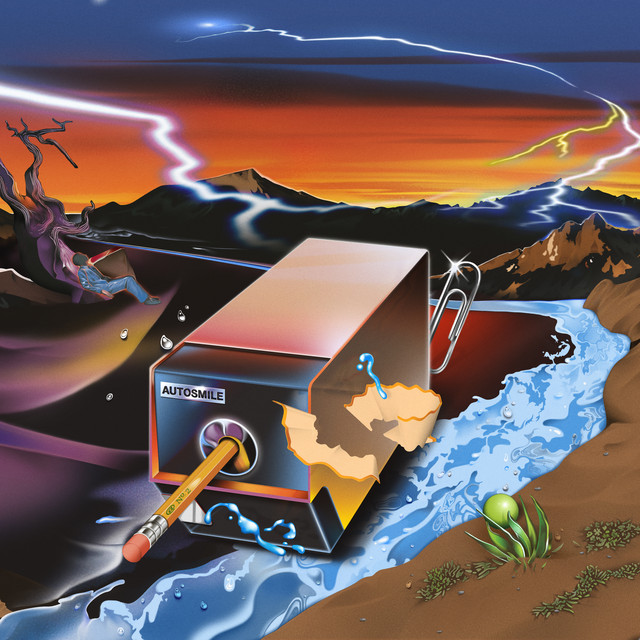
Autosmile
Autosmile is the strongest record Victoria Rose and Stone Filipczak have made, though it stops short of the greatness its best passages hint at. Eleven songs run to about forty minutes, and the sequencing does real work: the eerie flute and fingerpicked guitar of "Bird" give way to the hazy, synth-dusted "Love in the Dark," and the pair keep shifting moods so no feeling settles for long. Much of it was tracked at home, yet the arrangements are denser than that suggests, with cello and violin beside clarinet, tambourine, and electric guitar that flares toward prog.
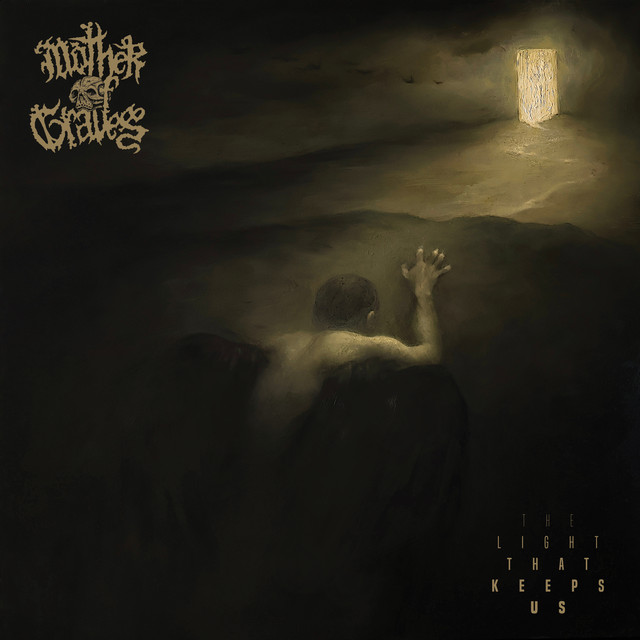
The Light That Keeps Us
"A Moonlit Tryst" is the shortest cut on the record and the easiest place to hear how the band builds a song. It starts with bare acoustic strings and the hush of a night outdoors, quiet enough that the first raw vocal howl hits like a door thrown open. The middle section sinks into a funeral crawl, colder and more menacing than anything before it, and then a return to acoustic guitar leads the song back toward a melody that nearly bounces. The handoffs are smooth enough that control of dynamics becomes the real subject of the track.
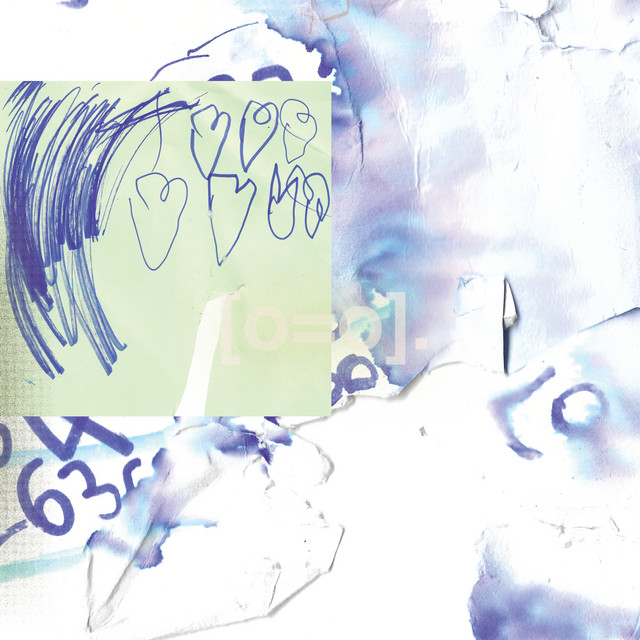
O
O is the sharper of the two records this duo has made, and the reason is how it handles time. Six pieces run close to thirty-five minutes, and Frank Rosaly lets a hand-drum figure hold long enough to shift under the listener's ear. His drumming works less as a clock than as ground that tilts, with loose, overlapping pulses drawn from bomba, plena, rumba and cumbia without settling into any one of them.
Answers
Answers is a collaboration that holds together on atmosphere alone, and it asks nothing of the listener beyond attention. Bibio and Dorian Concept built these thirteen pieces at a distance, passing ideas between the West Midlands, Vienna and rural Wales, yet the join never shows. Acoustic guitar rests against a Roland SH-101 run through an Eventide unit, while piano and synth lines wander past each other like furniture in a half-remembered house.
Constructs
"Pathways" begins with a bare piano line and a voice that sits close to the microphone, and for a couple of minutes the record refuses to hurry. The guitars stay out of the way while the arrangement thickens by degrees, and when the band finally leans into the second half, the change lands because it has been earned. It is a patient way to open eleven songs, and it sets the terms for everything after: restraint used as a weapon, not a warm-up.
DJ-Kicks: Djrum
Field recordings of wind and moving water sit low in the mix before the first kick lands. Djrum's own productions carry the weight of the set. "Turning" stacks restless toms and synths over a bed of strings, while "Psychic Video" sets bent tones and murmured speech against dense drum patterns. Strings return throughout, sometimes lush and sometimes thinned to a scrape.
Follow The Light
Within its first minute, "Human Angel" gives you a dub siren wobbling in the background and a triangle chiming over it. A finger-picked nylon guitar then eases up through the mix, softened at the edges, and McDoom's voice floats above the instruments as if it were pinned a few inches higher. The drums keep a loose, reggae-tinged lilt, the bass holds the ground, and harp plus stacked vocal lines build until the song seems to play on several levels at once. The lyric longs for an idealised lover. The arrangement makes that longing beautiful while hinting that the lover may be something the singer invented.
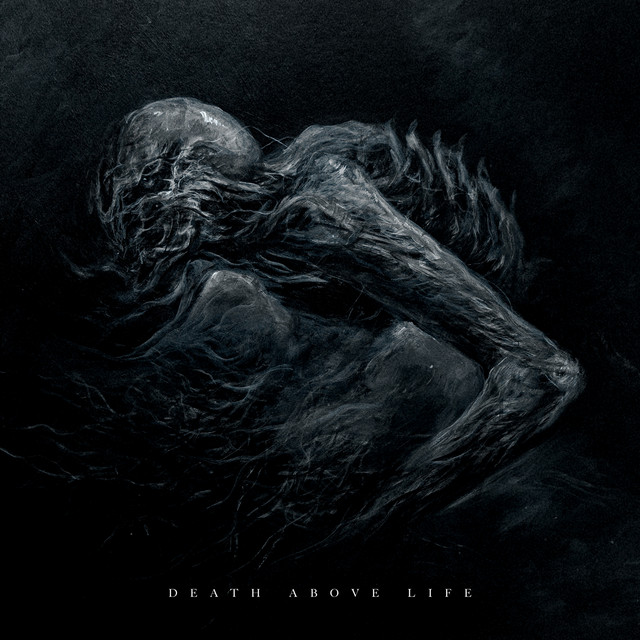
Death Above Life (Deluxe Edition)
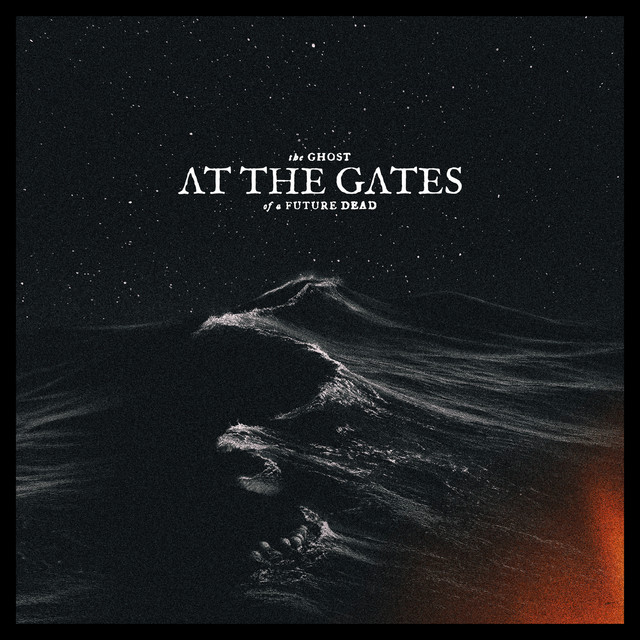
Two impulses keep colliding on this record: the urge to crush and the urge to lift. Orbit Culture build riffs from tight, clipped chugs, then hang choruses on them big enough for open-air stages. The album rarely lets one impulse win outright, and the sequencing is where that balance gets settled. "Bloodhound" arrives as a pit-starter with little room to breathe, while "Inside the Waves" pairs a staccato bounce with a yell-along hook.
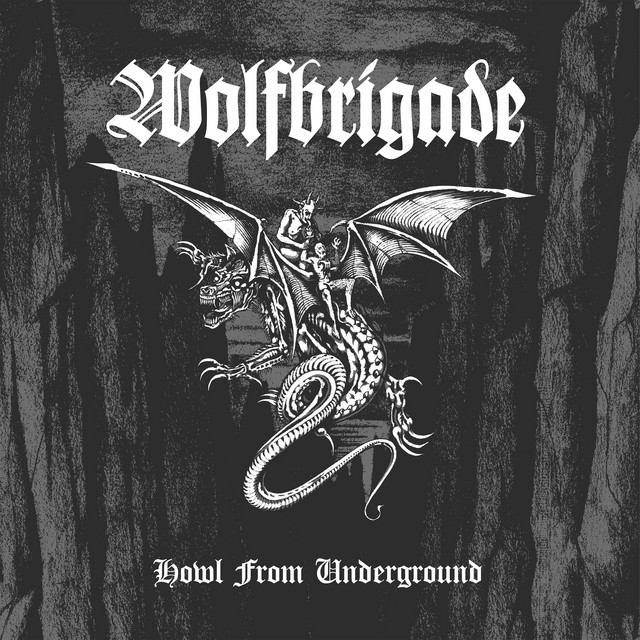
Howl from Underground
Two instincts run side by side on this record. One wants the sound of five players thrashing in a single room, with nothing added afterward. The other wants heft, a bass line pushed forward and guitars with more bite than before. Wolfbrigade hold both at once, and the friction keeps the twelve songs from reading as a formula. The vocals sit high and gravelly in the mix, closer than they have been on earlier albums.
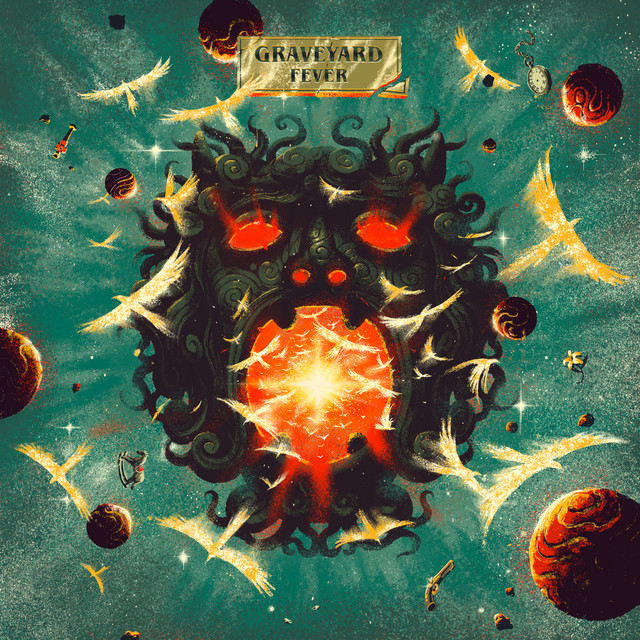
Fever
Nuclear Blast has built much of its heavy-rock catalogue around riff-first bands, and Graveyard arrive there with their seventh album after a decision that matters: the Gothenburg trio ran the sessions themselves and brought in Pelle Gunnerfeldt only for the mix. Three years after the murkier, slower-burning Six, the amplifiers are loud again, and the band sounds more sure of its own instincts.
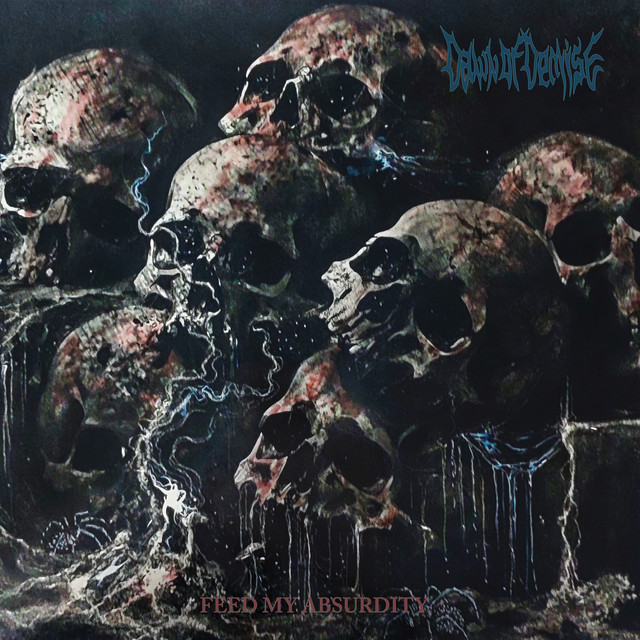
Feed My Absurdity
"The Immoral" runs just over four minutes and makes the strongest case on the record for melody inside brutality. Tremolo-picked figures and slam-heavy grooves hold the verses down, then a lead line lifts out of the rhythm section with a hook that would sit comfortably on a thrash record. The solos function as part of the riff architecture rather than decoration, so the song keeps pulling the listener between the crushing and the catchy.
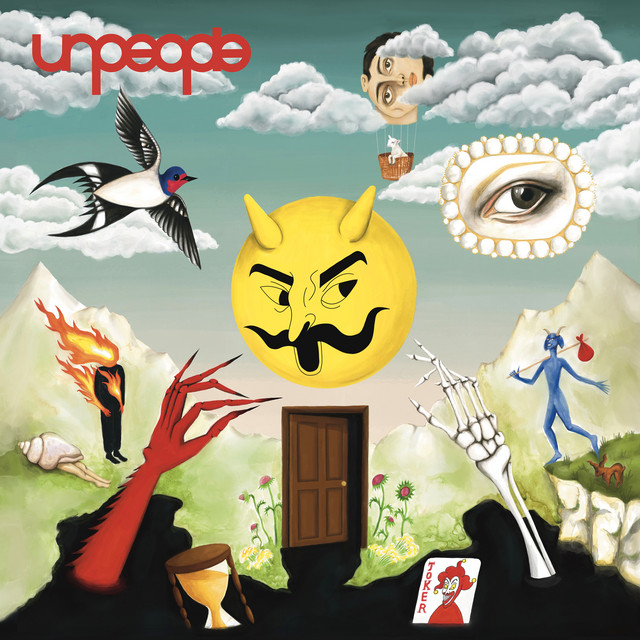
we are unpeople
This debut keeps two appetites in one room: the wish to flatten a listener and the wish to be sung back at. Heavy riffs sit underneath four-part vocal stacks, and the bass often leads, pulling the tempo forward while the harmonies hover above it. Few songs take turns between the two. A bright hook can tip into a grinding passage mid-verse, and a plain rock structure can lurch off course without losing its footing.
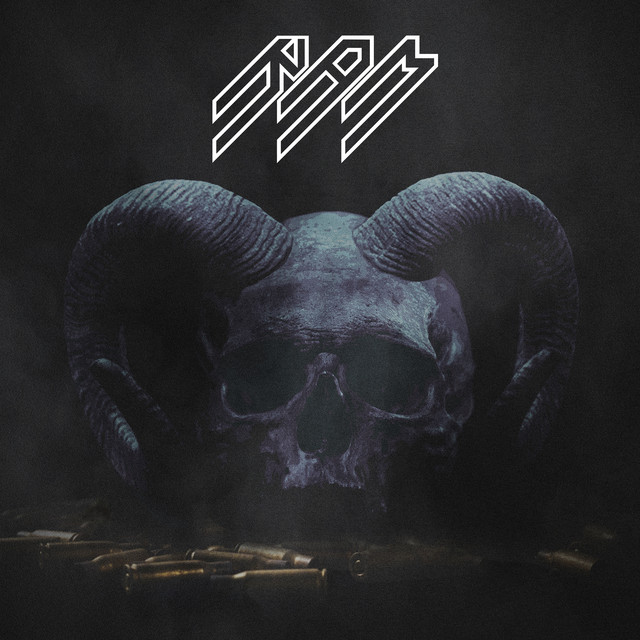
Against
Seven years after The Throne Within, RAM have set down the mystical preoccupations of that record and picked up something plainer: a heavy metal album about refusing to bend. Against is the Swedish band's seventh full-length, and it reads less like a reinvention than a tightening of the bolts. The riffs are shorter, the choruses arrive sooner, and eleven tracks fit into about forty-two minutes, leaving little room for the wandering that once padded their records.
Far and Wide
The Pineapple Thief's sixteenth album is also their first for InsideOut, and the move from a label they had called home for roughly two decades shows up in how the record was built. The band cut back on layering. Guitars rarely run more than two parts at once, and three singers work with three-part harmonies instead of stacking six. The arrangements sound airier as a result, with more air around each instrument.
Artifice Dissolves
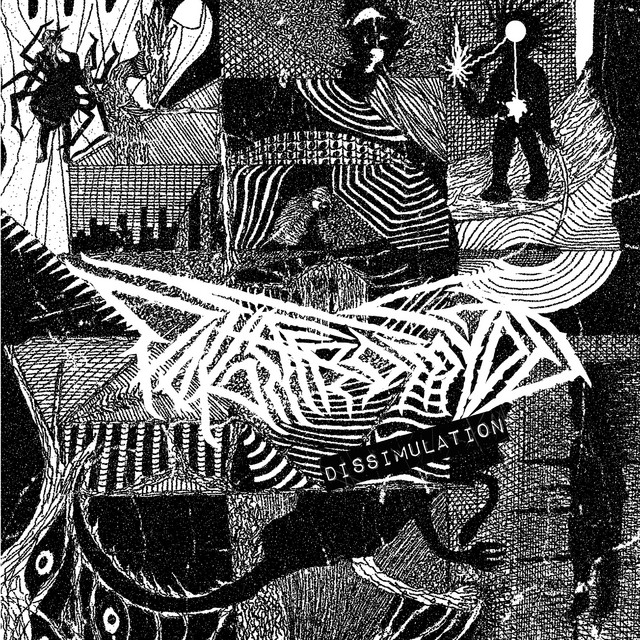
Dissimulator have engineered the year’s most ruthlessly disciplined technical thrash record. Where kindred speed-merchants often sacrifice momentum for gratuitous fretboard gymnastics, the Montreal trio integrate high-velocity precision directly into the sinew of the songwriting. Every hairpin tempo shift and tangled chord progression serves the forward thrust rather than breaking it.
Linda's Head
Sub-two-minute sketches rush by in quick succession before the tracklist abruptly drops anchor into cavernous, slow-burning drift. The clipped bass pulse of "Faraway" and the rattling tom-toms of "Starline" flick past before their contours fully settle, joined by the driving, muffled fuzz of "endless Sky." Then the pacing wrenches to a halt: the six-minute "darkblue" freezes that momentum in place, letting glacial chords and trailing feedback squalls pool outward.
No Place For Me
Arriving on Solid State nearly two decades after the peak of late-2000s metalcore, Miss May I enter an ecosystem where veteran peers either soften into arena rock or retreat entirely into nostalgia circuits. Rather than chase synth-drenched trends or ultra-compressed down-tuning, the Ohio quartet—navigating their first major lineup change with guitarist Elisha Mullins—anchor their eighth outing to the unadorned, muscular framework that originally forged them.
Cancel Me (I'm Tired)
Rather than tempering the pub-circuit hysteria of their debut, Fat Dog double down on sheer sensory overload while expanding their sonic scale. The band leaves behind lo-fi scuzz for stadium-sized industrial disco, layering blaring brass, syncopated kick drums, and saw-wave synthesizers beneath unhinged vocal barks.
Ceiba
The tracklist starts with brisk momentum, tumbling out of the brief prologue into "Ashes" with tight double-kick percussion and synchronized keyboard-guitar sprints. Early pieces keep their footing within standard song lengths, alternating between dense, drop-tuned riffing and Fredrik Klemp’s clean refrains before "Broken" suddenly clears the floor, stripping the arrangement down to electronic pulses and muted, reverbed atmosphere.
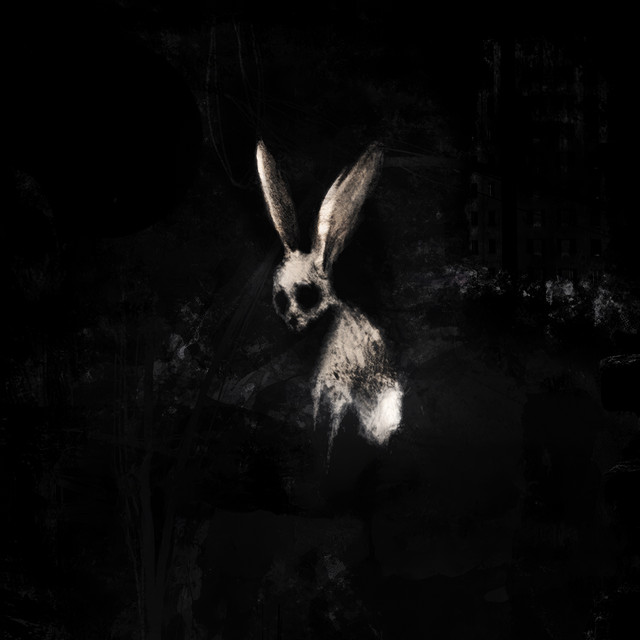
FOLLOW THE WHITE RABBIT
Midway through the record, the title track works as a short, combustible exchange between two vocal modes. Screams and clipped shouts interlock over a pulse that rarely lets up, and synthesizer figures drift in at the edges to open up space around the guitars. Underneath the aggression sits a sour emotional pull, which gives the song its bounce without making it feel hollow. It is the point where the album's concept, a descent through one unsettled mind, becomes audible rather than just lyrical.
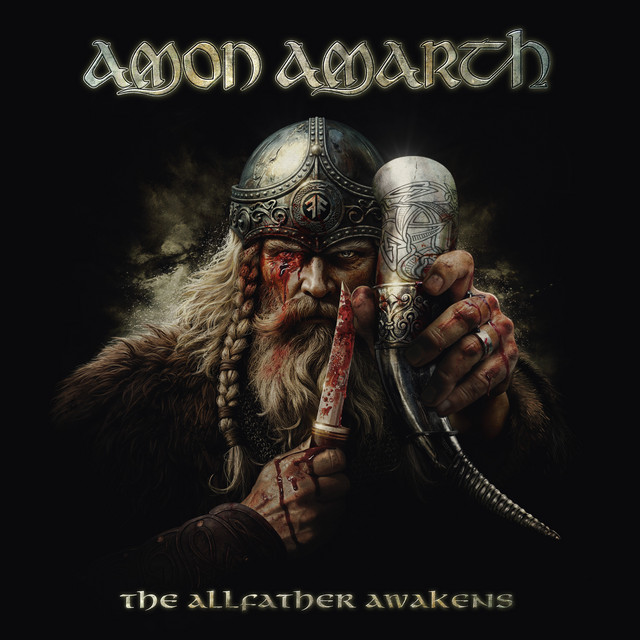
The Allfather Awakens
Over three decades into their tenure, Amon Amarth inhabit an odd stratum of heavy music, where arena row pits, pantomime longships, and branded festival theatrics can easily eclipse the melodic death metal powering them. Arriving after a stretch of coasting predictability, their thirteenth LP treats that outsized scale not as an autopilot setting, but as an engine to sharpen their steel.
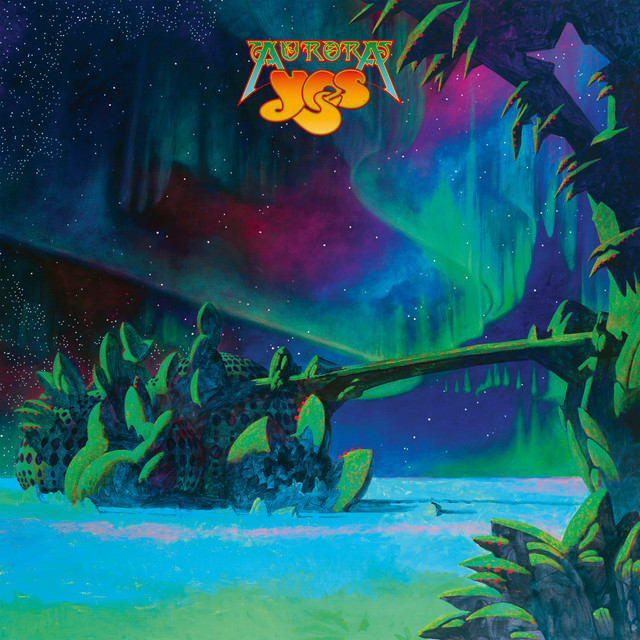
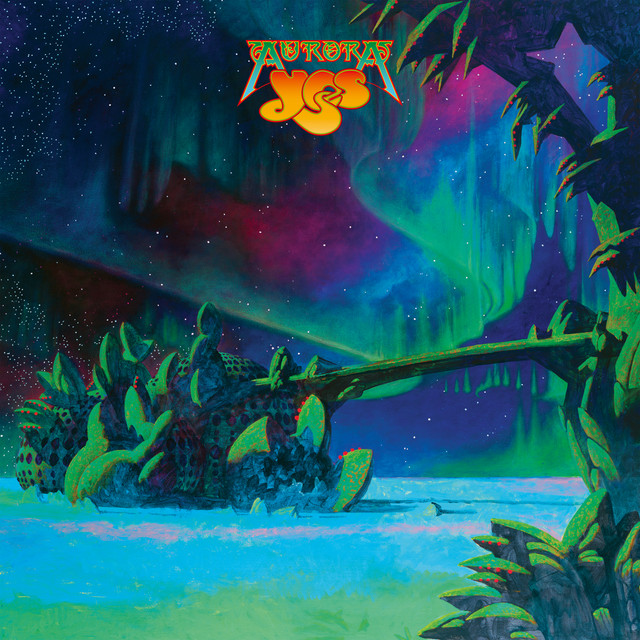
Aurora (Deluxe Edition)
Aurora doubles down on the orchestral side of Yes. Paul K Joyce's arrangements sit beneath Downes's piano in the title track, so the band enters like a pageant before a single riff lands, and the thirteen-minute "Countermovement" shows the long form still matters to them. The sequencing is a deliberate split. The sprawling pieces come first, and the record closes on shorter, brighter songs, with "All Hands on Deck" the one moment that hits with real weight.
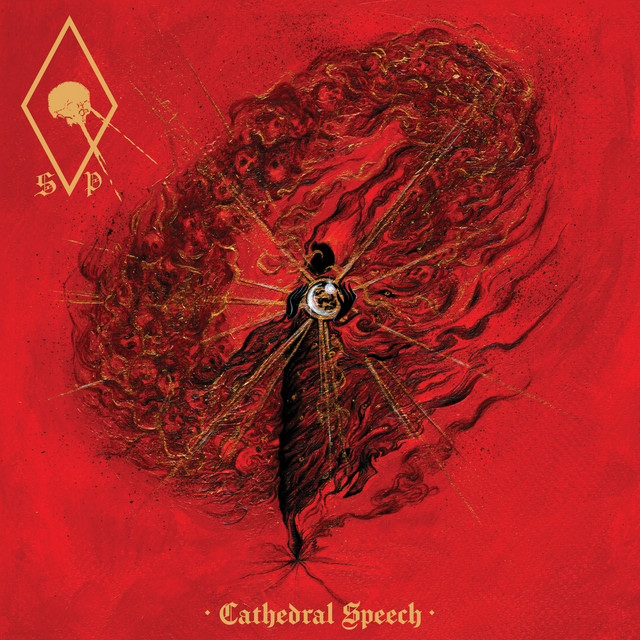
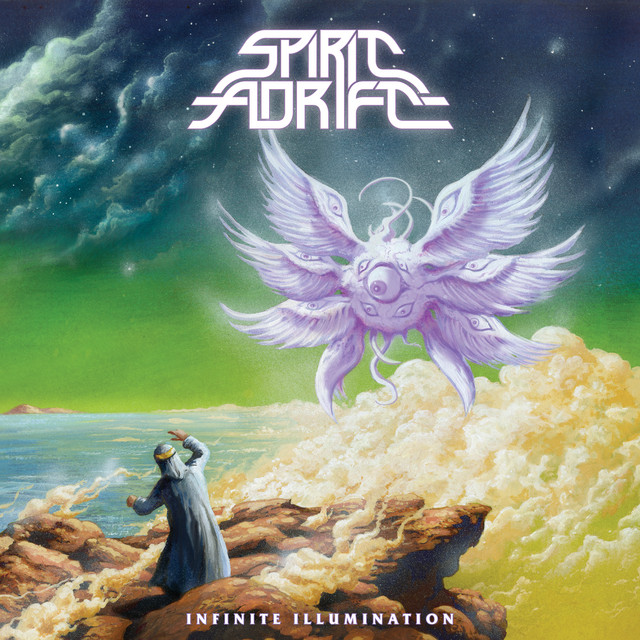
Cathedral Speech
Cathedral Speech establishes Spirit Possession as the sharpest, most structurally daring force in modern underground metal. Rather than settling for the raw, insular blast-and-scrape of their earlier entries, the Portland duo channel their velocity into expansive, labyrinthine arrangements that move with absolute discipline. S. Peacock’s finger-picked fretwork eschews standard power-chord bluntness for dizzying hammer-ons and warped, vintage fuzz, while A. Spungin’s percussive attack relentlessly pivots between galloping speed-metal meters and volatile stop-start interruptions.
I DON'T WANNA SAY GOODBYE
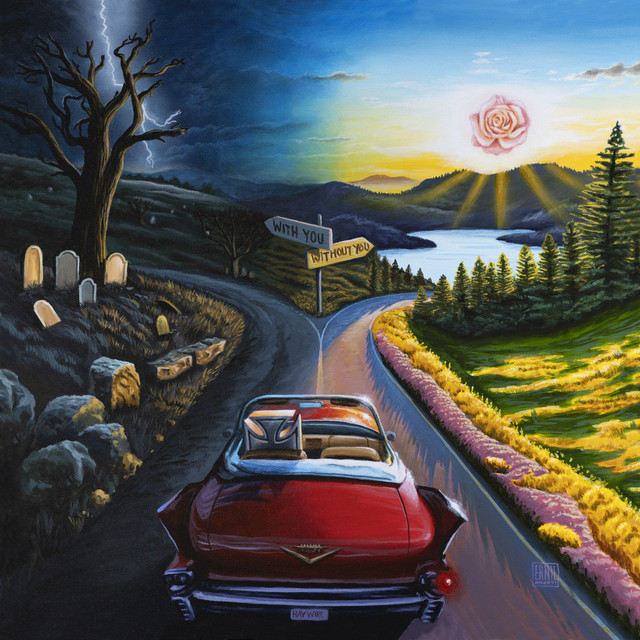
Rather than retreating into the unvarnished street-punk bluntness of their debut, Haywire hone their bruising velocity into sweeping, hook-forward territory. The Boston outfit leaves behind the insular confines of their earliest brawlers, doubling down instead on massive gang vocal refrains, gleaming guitar contours, and a surprising undercurrent of road-worn melancholy.
The Shallow Gaze
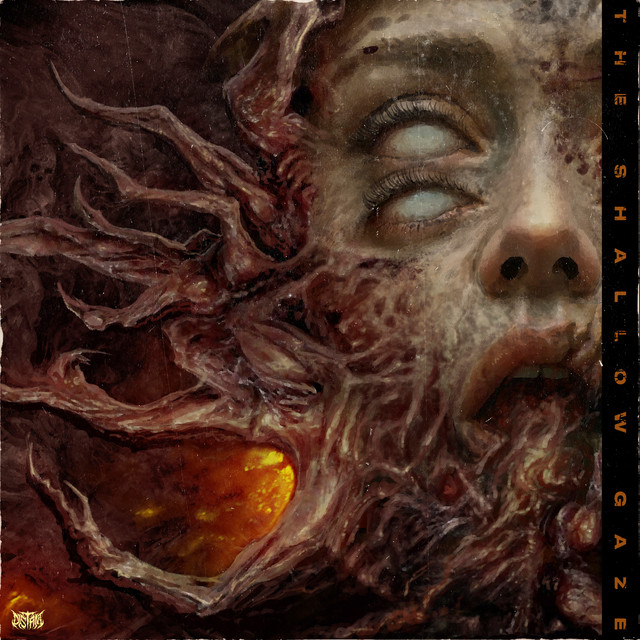
Two impulses share the frame on Into Despair: the pull to sink and the pull to move. The band tunes low and builds on slow, seismic rhythms that make the room feel heavier with each pass, yet the grooves keep a hitch of hardcore bounce that refuses to settle into one gear. The gloom never tips into self-pity. The writing stays tidy enough that the weight reads as deliberate rather than smothering.
The Gem
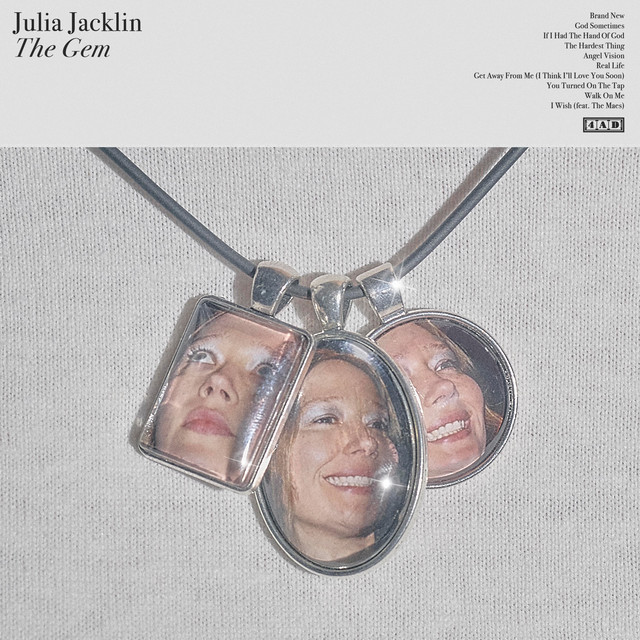
Arriving four years after Pre Pleasure and marking her inaugural release on 4AD, Julia Jacklin’s fourth LP takes root in Melbourne’s inner-north pub culture, tracked inside a loft directly above a Collingwood watering hole. Having scrapped an earlier, rushed batch of recordings, she recalibrated her pace alongside producer Robert Muiños, letting local camaraderie and the physical bleed of the neighborhood dictate the session's tone.
Nearly
Meandering at the pace of a slow-drifting stream, the album unspools through patient detours rather than dramatic spikes. "Very Few Inspirations" begins the sequence with understated, sparse arrangements, quickly easing into the light bounce of "Roo" and the crisp vocal interplay of "Francis Ford." Each handoff feels gradual, linking mid-tempo drum patterns directly to gentle, reflective pauses.
Everyone Gets Everything They Want
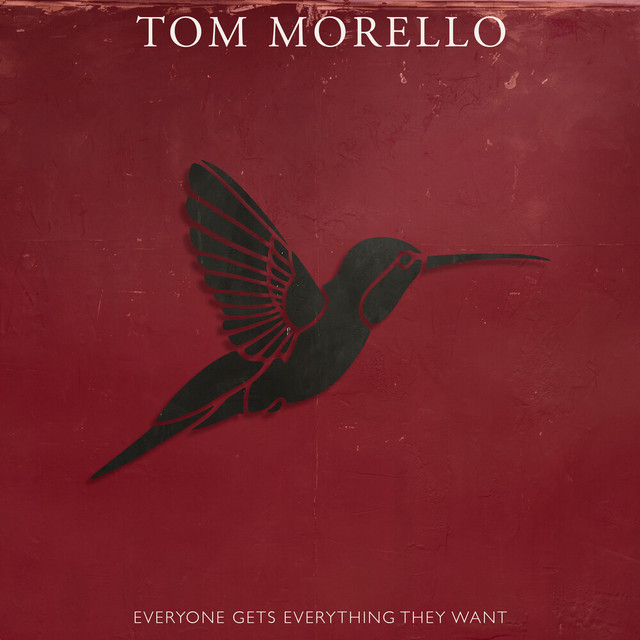
Landing amid a resurgence of populist authoritarianism, Tom Morello’s first proper solo rock outing pivots sharply away from the electronic sheen of his recent collaborative trilogy toward street-level agitprop. Mom+Pop releases the record into an anxious political climate, where Morello positions his instrument not as nostalgic heritage but as an urgent, multi-generational battle line co-engineered alongside his teenage son.
Hotel Usona
Trading the private grief and guarded optimism of their recent work for an unsparing civic postmortem, Protomartyr abandon loose minimalism for the heavy architecture of a full-scale concept piece. Rather than surveying crisis as a passing squall, they double down on atmospheric dread, framing institutional decay within the peeling walls and dead-end hallways of a neglected lodging.
Sigil
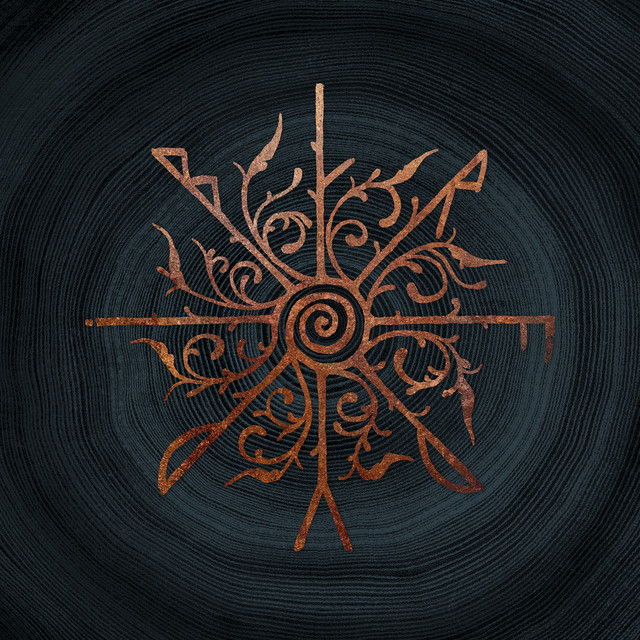
Abrasive bow strokes on Hardanger fiddle and nyckelharpa cut directly through low-end synthesizer frequencies, flanked by mechanical sub-bass pulses and the twang of a mouth harp. Throughout the mix, tactile acoustic surfaces—wooden resonance chambers, unvarnished fretwork, struck skins—press against distorted electric guitar riffs and compressed electronic grooves. Across these layered arrangements, Gunnhild Sundli’s vocals oscillate between breathy, close-mic’d lower registers and piercing folk cries that project straight through the dense mid-range.
Manslayer
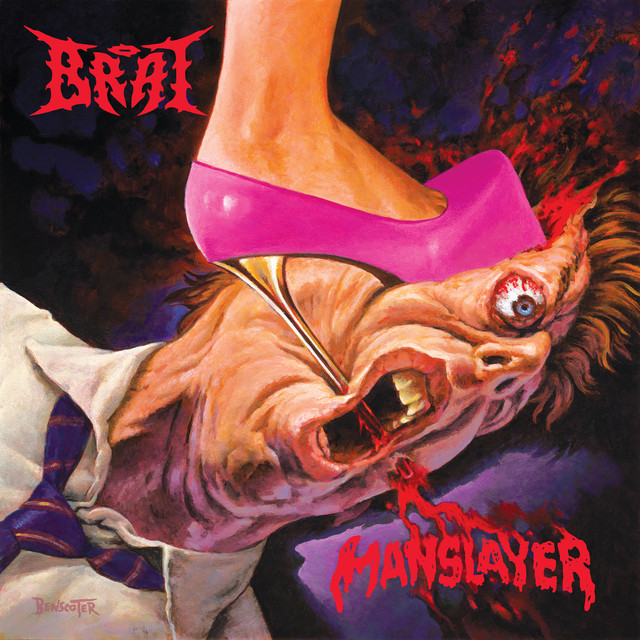
Thick, low-tuned sludge coats the guitars, while the snare arrives like iron striking wet concrete. Tracked with a blunt, concussive dryness, the instruments crowd the front of the mix with barely an inch of breathing room. A bulbous low-end rumble anchors the battering, leaving Liz Selfish’s serrated throat to scrape raw against the surface before thrash-speed pinch harmonics and feral lead work carve through the density.
Terrifying Angels
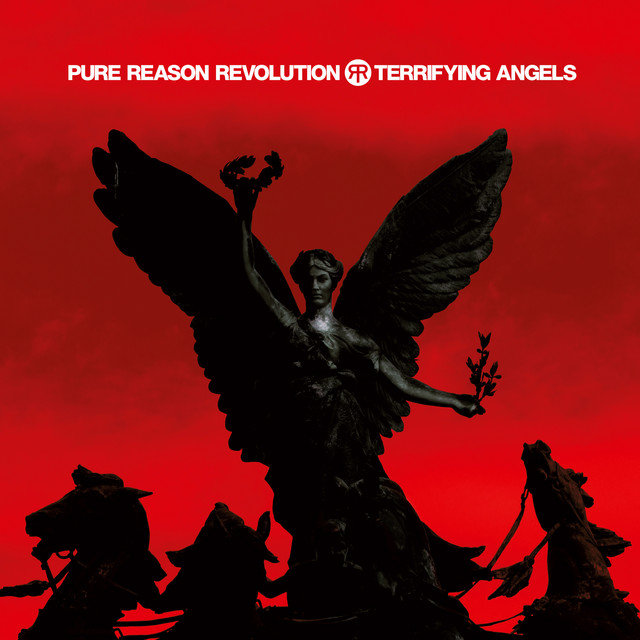
In "Black-Arrow Acrobats", delicate cymbal tapping and drifting keyboard vapor frame the quiet counterpoint of Jon Courtney and Annicke Shireen before the bottom drops out into bludgeoning, fuzz-drenched riffing. Across its eight minutes, the piece repeatedly contracts into hushed, atmospheric suspension only to recoil into sudden percussive violence, establishing the album's volatile push and pull.
Intentions
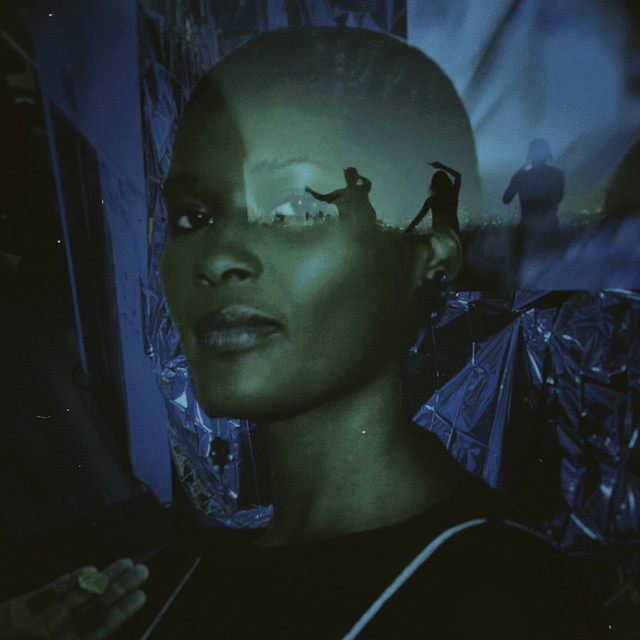
Analog synthesizer pads drift through clipped drum machine snaps, muffled telephone recordings, and the elastic rumble of electric bass. Across Intentions, acoustic instruments continually nudge against quantized rhythms: Ahmad Muhammad’s Juno and acoustic piano blur into soft room tone, while Will Miller’s electronic valve instrument and trumpet bleed around stacked, dryly recorded vocal lines. Megiapa layers her harmonies into tightly spaced chordal washes, using human breath to soften the rigid grid of her beat loops.
The Hollowing Of Godflesh
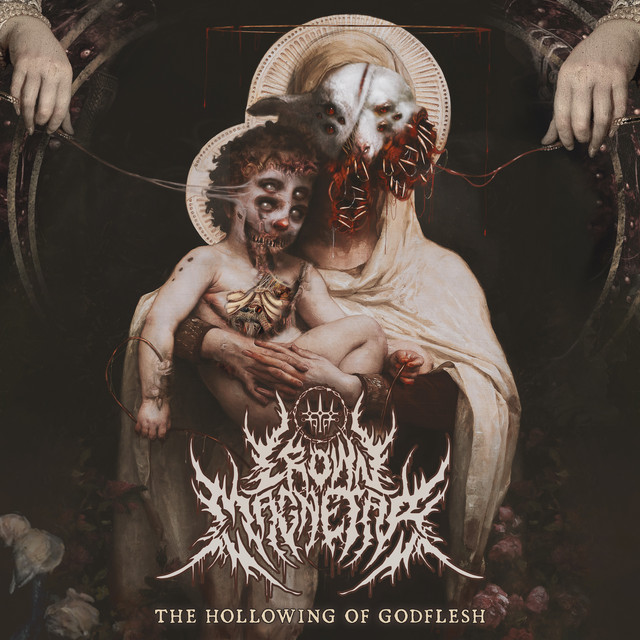
In a deathcore landscape increasingly swollen with symphonic bombast and vocal theatrics, Unique Leader remains anchored to unadorned physical trauma. Arriving a decade into Crown Magnetar's lifespan, The Hollowing of Godflesh bypasses operatic posturing to suture breakdown culture directly to the surgical discipline of turn-of-the-century brutal death metal. The addition of guitarist Rob Maramonte sharpens this lineage, lacing hyper-articulate technical runs through what would otherwise be blunt-force impact.
OPTIMIZE = OPTDEMISE
Coldrain’s eighth album is a paradox: an urgent defense of raw human imperfection manufactured with the clinical rigidity of an automated assembly line. When Masato’s throat-tearing screams crash against pristine multi-tracked harmonies, the contrast registers less as existential rebellion than as an engineered studio equation executed at peak volume.
THIS IS SPA TOWN!
XL’s lineage of volatile British club mutations finds an unruly inheritor in the commuter-belt sprawl of provincial skate parks and bedroom setups. Arriving at a point where hyper-online dissonance has begun circling back to the scrappy mid-2000s clash of rave and indie sleaze, this project bridges the blunt realities of moving back to Warwickshire with London basement production.
Ritual of Stone Sun (Live)
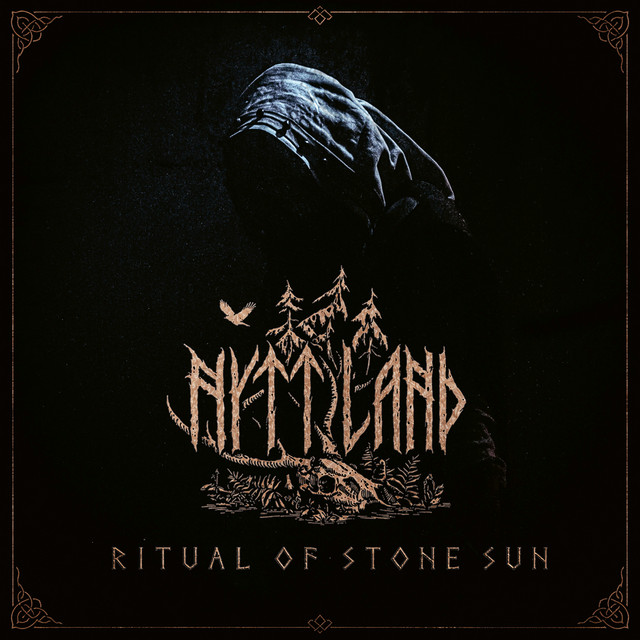
Across "The Fires of Ragnarok", a heavy frame drum pulse marches alongside low guttural drones and bowed horsehair strings. Rather than detonating into theatrical thunder, the arrangement swells through slow, cyclic accretion, allowing layered chants and deliberate pacing to summon an ominous weight.
...with little ease
Thirteen tracks, and the running order does most of the steering. The title track goes first, and its steady rhythm section and trading guitar lines set a working pace before the record opens into a run of hook-heavy numbers. Several of the earlier singles sit close together, so the first half reads as a showcase of the band's range: skate-punk drive, post-punk edges in the guitars, and a bass that often leads the turns. A looser, surf-tinged indie cut breaks up the middle, though its bright melody sits over lyrics that sour quickly.
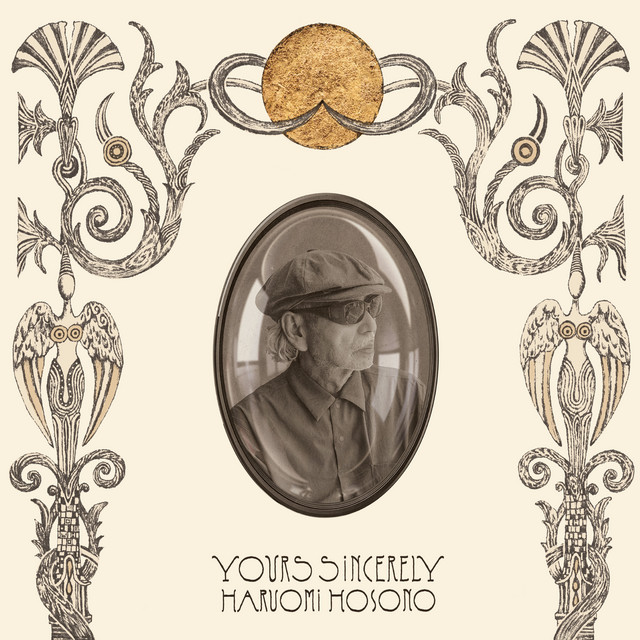
Yours Sincerely (Stella Edition)
Rather than chasing the dense electronic architecture of his mid-career vanguard or the panoramic sheen of his seventies pop, Haruomi Hosono doubles down on unhurried, living-room miniatures. What falls away is any lingering pressure toward monumentalism; what sharpens is an intimate, conversational directness where a lifetime of sonic ideas collapses into affectionate sketches.
Massive Shoe
During “Miffed It”, Dylan Young lets a snaking electric guitar lick spool across warm chord organ swells and muted drum taps, untangling romantic missteps without ever raising his voice. The restraint is deliberate. Rather than pushing for grand confessionals, the Melbourne multi-instrumentalist cultivates intimacy through soft-focus domesticity, resting on unhurried strums, reedy woodwinds, and stacked falsetto harmonies.
Hush
Landing on Mom+Pop a few weeks after a summer of Lollapalooza and Hinterland sets, Hush is the first full-length from a Minneapolis five-piece whose reputation was built onstage. The question the record answers is whether that live force survives being pressed to tape. Mostly it does. Eleven songs run for roughly thirty-five minutes, and very little of it is slack.
Fell Asleep in the Sun
On "Take Me to Sunrise," Justine Dorsey's vocals drift through cavernous reverb before a heavy, oscillating downbeat locks the groove into a glacial, widescreen stride. The arrangement gathers density gradually, wrapping ringing synthesizer arpeggios and muted electric strums around her sustained high register without rushing the arrival of the hook.
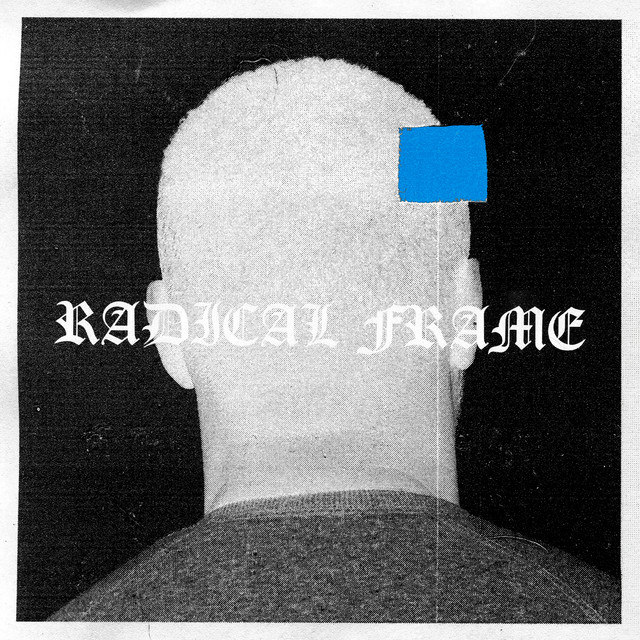
Radical Frame
Nearly two decades on from the murk of his earliest cassette-caked experiments, Darren Cunningham strips away lingering haze in favor of an austere, razor-sharp digital chassis. Radical Frame abandons the insular conceptual puzzles of his recent work, doubling down instead on the volatile friction between miniature sketches and expansive architecture.
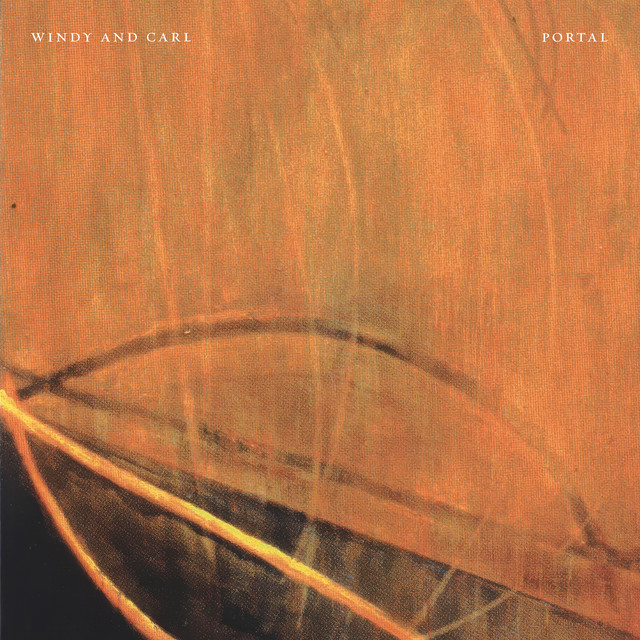
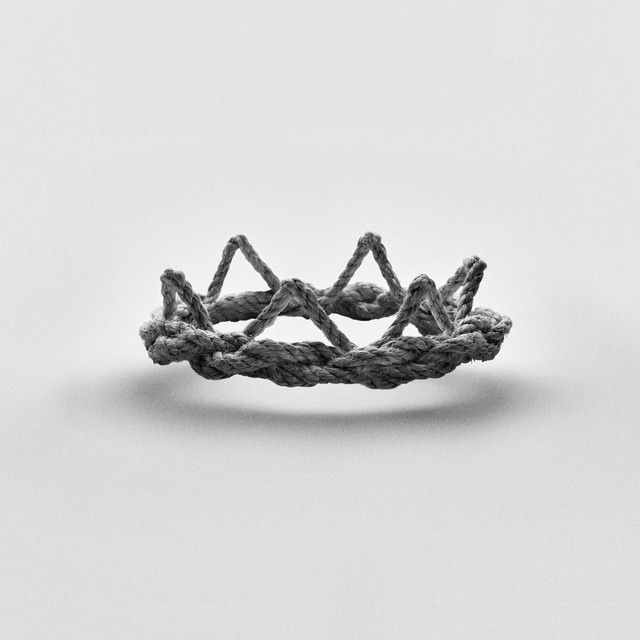
Portal
Before the duo settled into the slow, unhurried drones that became their signature, the music on Portal was rougher and more restless. Carl Hultgren's layered guitar figures and keyboards carry a fuzz the pair would gradually file down, and the record keeps a trace of the noisier rock its shoegaze contemporaries were making. What it abandons, looking back, is the conventional song. Its pieces are long, rock-derived instrumentals in which one passage dissolves into the next without a clean seam.
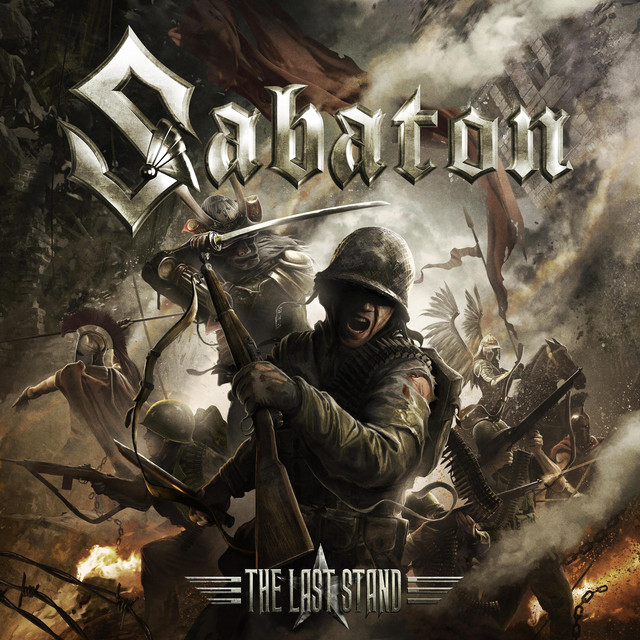
The Last Stand (10th Anniversary Edition)
The Last Stand is Sabaton's most streamlined record, and that tidiness is both why it works and why it stops short of their best. Most of the ten songs run a little over three minutes, leaving little room for detours: riff, chorus, next riff, with the arrangements rarely pausing to breathe.
Yours Sincerely
The half-hour runtime unfolds through brief, unassuming vignettes that bleed into each other without dramatic builds or hard edges. From the vocal hums of "Note of Mothership" and the relaxed fingerpicking of "Sincerely," the sequence wanders through sideways rhythmic detours: the Gallic lilt of "Ayurveda," gamelan-like chimes on "M for Mandala," and the clattering acoustic percussion of "Rojiura."
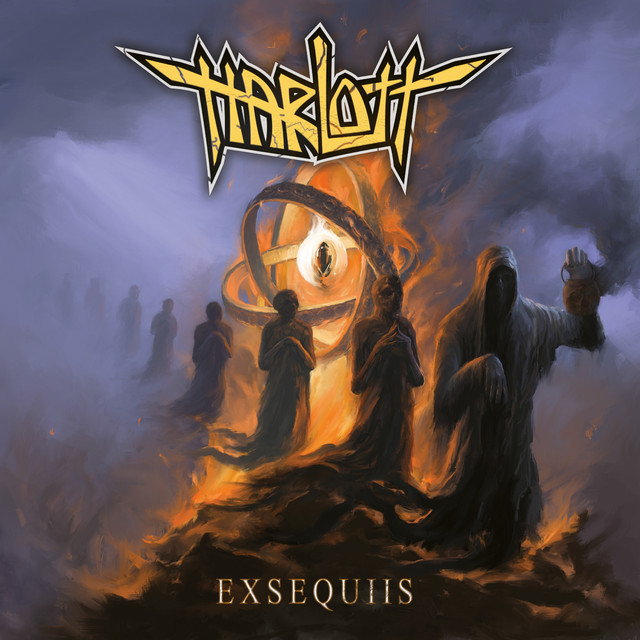
Exsequiis
Exsequiis is the most lethal pure thrash assault in recent memory, precisely because it treats genre orthodoxy not as a cage, but as a finely calibrated weapon. Rather than chasing crossover novelties, the Melbourne quartet tightens their late-eighties fundamentals into something pitiless and airtight, executing every turn with surgical force.
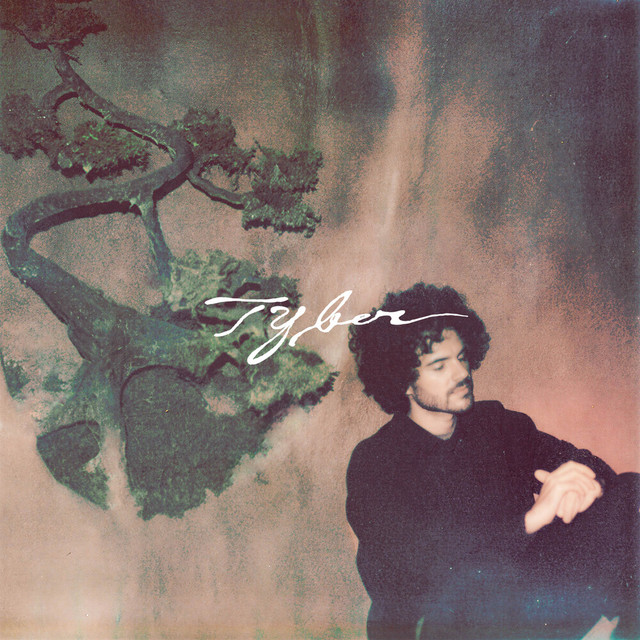
Tyber
For most of his career, FKJ made records that sounded like one person working alone in a warm room. On the third album, Tyber, that room has visitors. Lucy Park, Baby Rose, Bas, Eryn Allen Kane and Labrinth each bring a distinct voice to the songs. What falls away is the sense of a single pair of hands on every control. What stays is the saxophone and the glowing synth bed that anchor most arrangements. The project began as Shift, and a rough stretch in the artist's personal life pushed him to rebuild it, which gives the record a looser, more autobiographical mood.
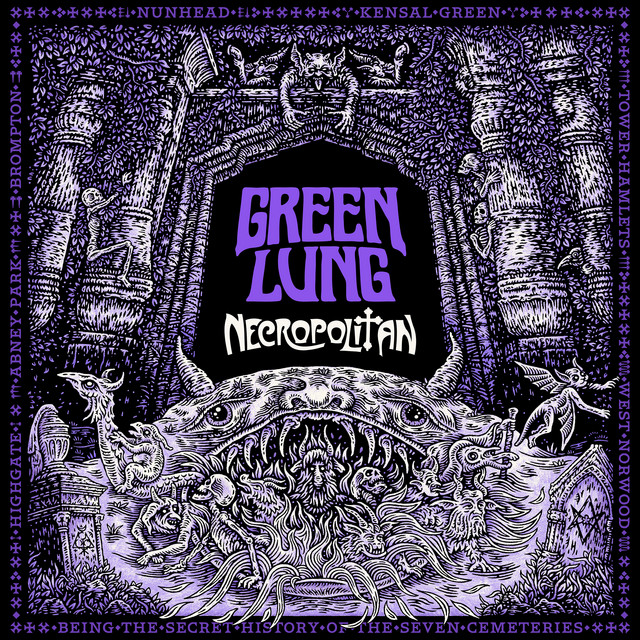
Necropolitan
Turning their backs on the mossy woodland folklore and pastoral paganism of their earlier records, Green Lung trade the countryside for the soot and sepulchral vaults of Victorian London. Rather than smoothing down their edges, Necropolitan strips away excess studio upholstery to chase a leaner, immediate wallop.
Standing On The Corner “II"
Standing On The Corner II is an exhilarating, defiant triumph of outsider collage. Across an hour of tape-damaged drift and abrupt violence, bandleader Gio Escobar dismantles conventional songcraft in favor of pure friction. Gasping pump organs and groaning low-end drag the opener “Will it ever be the same?” into narcotic torpor, only for “The word” to pivot sharply on jagged, brittle guitar stabs. Gunshot sound effects detonate across the muddy cadence of “Man may not last,” where guest verses cut through the clutter like voices caught between pirated radio frequencies.
Innern (Instrumental)
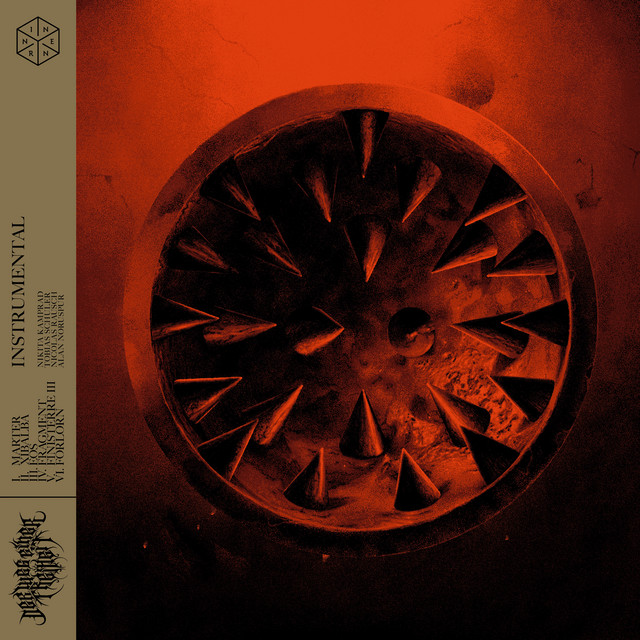
Pummeling catharsis and meticulous chamber-like lucidity pull against each other across this revision, where extreme velocity is recast as an exercise in architectural exposure. Stripping the performances of Nikita Kamprad’s harsh delivery does not deflate the impact; instead, it untangles the friction between blunt physical force and fragile melodic contour. With the vocal centerpiece erased, the intricate weave between Kamprad and Nicolas Rausch’s guitars steps forward, balancing caustic tremolo picking against suspended, ringing harmonies.
Distance in Static
Two decades past his downtempo beginnings, Simon Green abandons the glossy festival polish of his recent work to sharpen the tactile, organic balance that first defined the Bonobo moniker. Rather than thickening the mix with arena-scale synth washes, he doubles down on physical acoustics and stark rhythmic discipline, giving live instrumentation room to breathe against heavyweight bass.
Green Carnation - A Dark Poem, Pt. III: The Messiah Complex
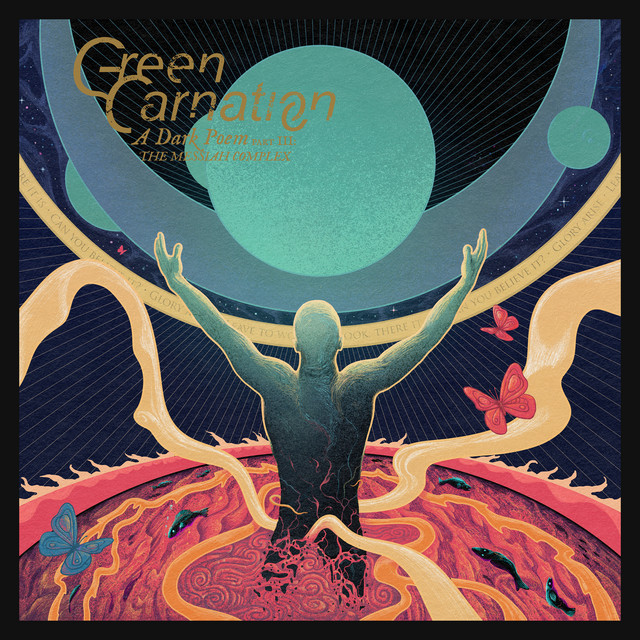
Bifurcated right down its vinyl spine, the album spends its first side escalating tension through three volatile pieces. "Unconditional Artificial Chemistry" strikes immediate friction between bleak piano chords and heavy, downward-driving rhythm riffs, setting up the wandering, psych-tinged detours of "The Messiah Complex". The first half crests with "Broken Souls, Common Enemies", which pivots sharply from fragile acoustic strumming and wooden flute lines into serrated distorted chugging and guttural roars.
SOME SMALL FORTUNE
Shortall’s greatest gift is not his multi-instrumental agility but his editorial restraint. While expanding corto.alto into a crowded hub of international collaborators, SOME SMALL FORTUNE resists the diluted bloat typical of major-label leaps by keeping its arrangements volatile, taut, and sharply condensed.
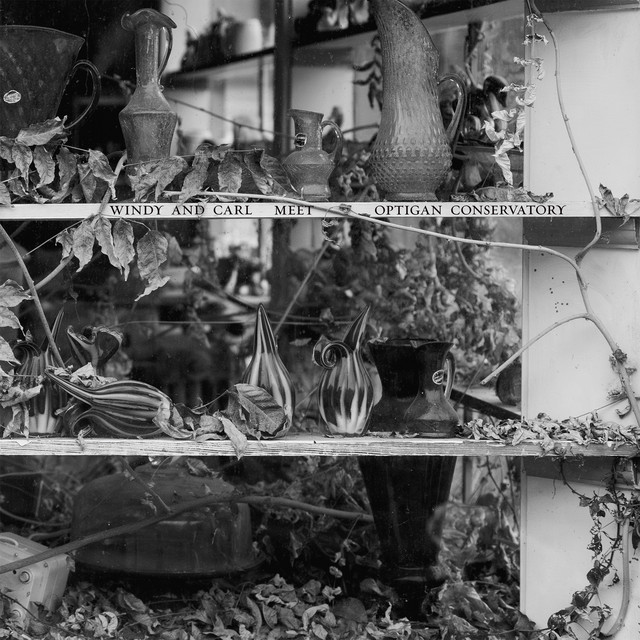
Windy&Carl Meet Optigan Conservatory
Warm sanctuary and creeping nocturnal dread inhabit the exact same sustained chord. Across six unhurried pieces, the quartet balances the restorative, low-end hum of guitar drone against the brittle chill of vintage keyboards and tape decay. Rather than settling into sedative drift, the music invites uneasy apparitions to share the air.
Anomaly
"Vermin" opens the record on a squat, chugging breakdown with a trap drum pattern running underneath, so the low end seems to hit from two directions at once. Jakob Harris's guttural growl comes in first, then Gavin Mistry's rapping slides over it, and the two trade lines in a tight exchange that sharpens the track instead of loosening it. Blast-beat black metal and metalcore chugging swap places across the album, often mid-phrase, and those transitions carry more momentum than any single riff.
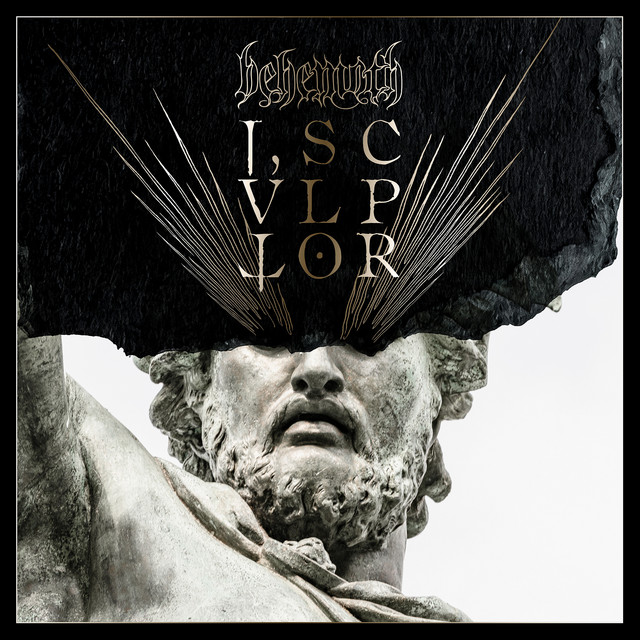
I, Scvlptor
Low-end weight defines the mix: seven-string down-tuning thickens the rhythmic bedrock, while Tomasz Wróblewski’s bass carves out deep contours beneath a wall of sculpted distortion. Synthesizer mist and muted brass pool around the lower frequencies, countered by the dry snap of Zbigniew Promiński’s snare and razor-honed tremolo picking. Re-recorded nineties tracks shed their historical demo murk for layered stereo guitars and clinical separation, trading tape grime for immense dynamic headroom.
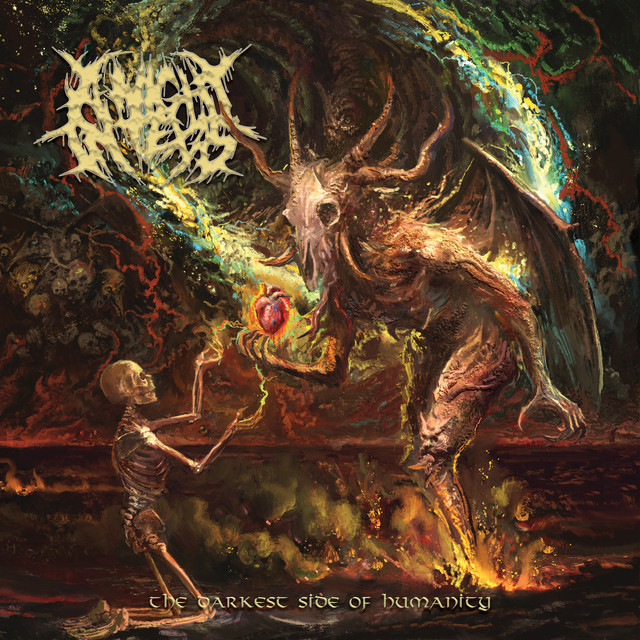
The Darkest Side Of Humanity
Pneumatic kick drums and serrated rhythm guitars collide in a densely compacted crush, hemmed in by cinematic string stabs and high-register synthesizer sheen. The production values velocity and sheer compression above dynamic separation; down-tuned riffing often merges with the percussive onslaught, while string arrangements supply icy contours rather than sonic relief. Across this churning low end, high-pitched shrieks and cavernous gutturals stack tightly together, crowding every pocket of headroom.
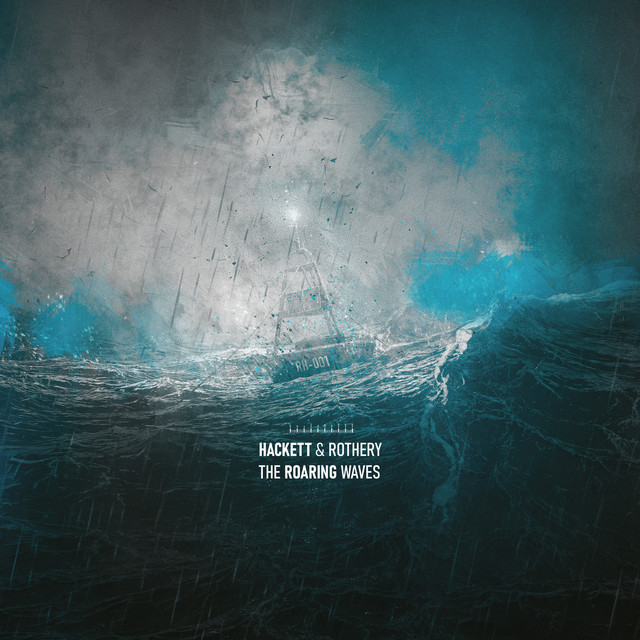
The Roaring Waves
The urge toward symphonic bravura constantly spars with an inclination to vanish into mist across The Roaring Waves, an instrumental suite where virtuosic pedigree yields to patient environmental drift. Rather than staging a competitive duel of soaring leads, Steve Hackett and Steve Rothery share space through textural diplomacy. Nylon-string flourishes and sitar-guitar inflections entwine around singing, sustained electric bends, while Mellotron surges and martial snare patterns mimic the uneasy swell of coastal weather rather than progressive rock grandstanding.
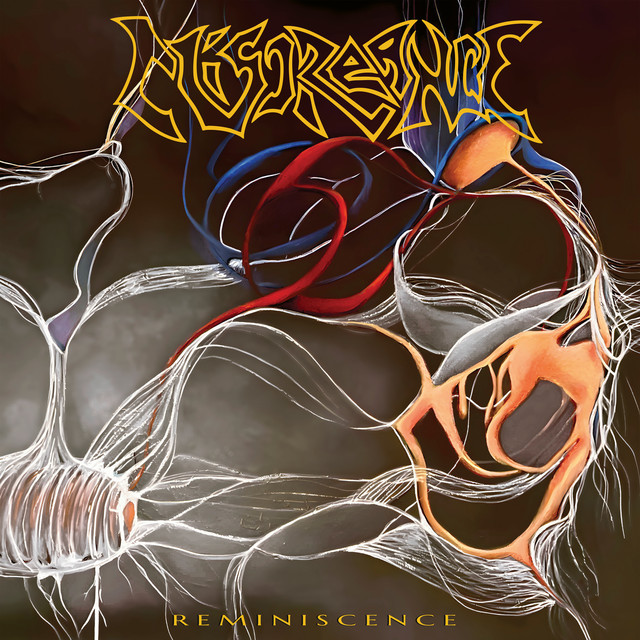
Reminiscence
Season of Mist’s reissue of Miscreance’s 2022 debut positioned the northern Italian quartet at the crest of a revived technical death-thrash underground. Arriving on the imprint as a fully backed sophomore statement, Reminiscence pushes past nostalgic homage into stranger, more volatile territory.
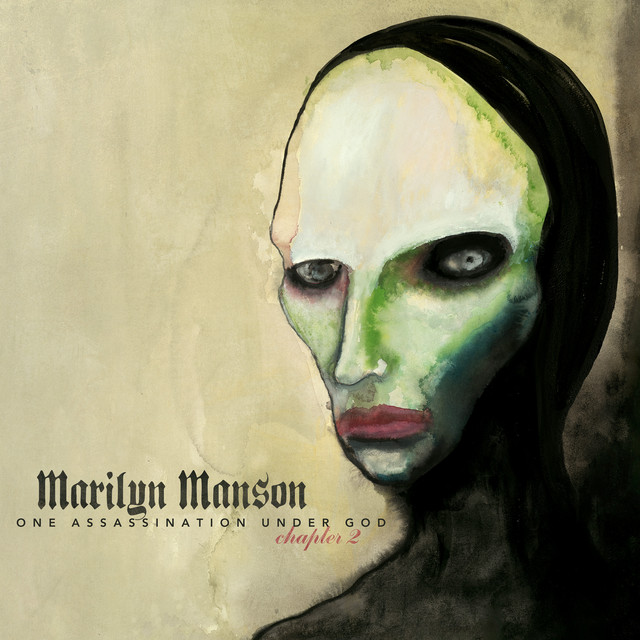
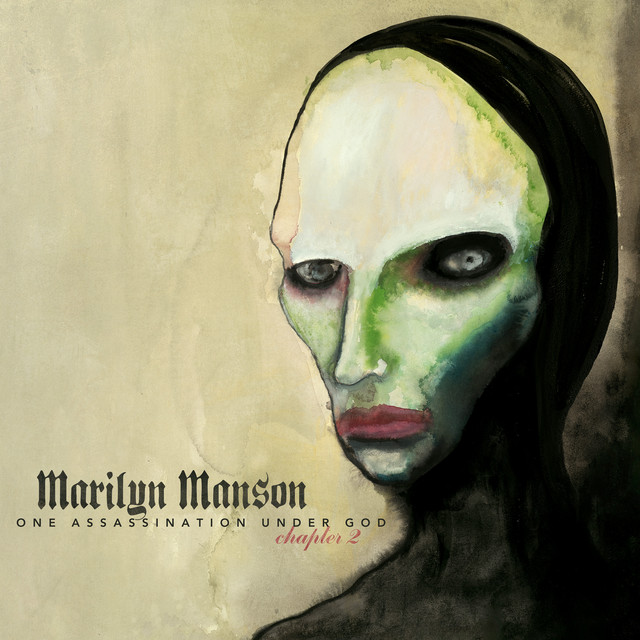
One Assassination Under God - Chapter 2 (Expanded Edition)
Bitter grievance and bruised, mortal anxiety jostle for dominance across the sequence, locking venomous retribution and creeping desolation into the exact same frame. Where its first half bristles with caustic, serrated guitar work and heavy percussion aimed squarely outward—surging through the abrasive churn of "Front Toward Enemy" and the coiled prowl of "Don't Answer the Door"—the spite frequently curdles into something far more exposed.
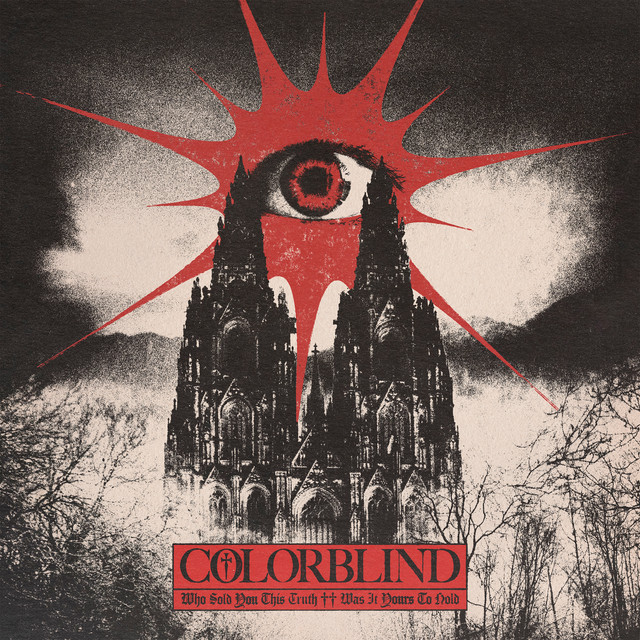
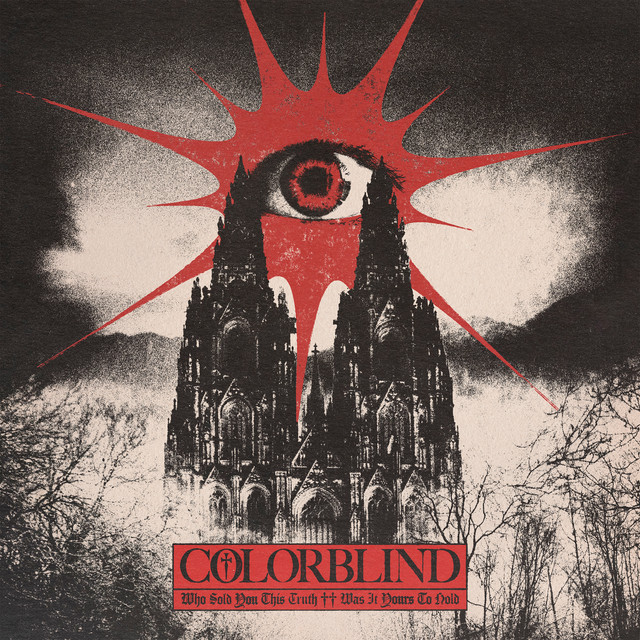
WHO SOLD YOU THIS TRUTH ++ WAS IT YOURS TO HOLD
Pristine digital gloss coats every edge, buffering detuned guitar chugs beneath synthetic pads and crisp percussion. Rather than jutting forward with jagged distortion, the guitars diffuse into ambient washes, blurred where programmed pulses meet live snare cracks. Overhead, vocals sweep upward in an urgent, compressed tenor, pushed into spotless stereo focus before snapping into guttural growls.
Keepers
Momentum operates like a pendulum across the tracklist, swinging from horn-flecked bounce into suspended quiet before snapping back into gear. "Love Ruins Everything" establishes immediate forward drive with punchy brass and syncopated percussion, only for the tempo to ease as slinking electric bass and keys settle over "Belt Loop." Rather than preserving a uniform folk stride, the twelve pieces deliberately interrupt each other's inertia.
There Near
On "Put It Down", a lean and unexpectedly supple groove eases back the volume until J Mascis rips the track wide open, torching the calm with an overdriven guitar solo that pushes his vintage amplifier to the brink. Lou Barlow anchors the lower registers with a heavy, melodic weight, while Murph’s snapping snare keeps the distortion pinned to a relentless tempo.
Into The Sky
Setting aside the sun-drenched, nylon-string wanderlust of Fase Luna, Sam Eastgate retreats into the machine shop, trading organic sprawl for strict rhythmic discipline. Collaborating with producer Alex Ridha, Eastgate sharpens the club-oriented impulses that have long hovered at his perimeter, doubling down on a rigid, minimalist setup dictated by vintage Korg circuitry and his own custom-wired synthesizers.
NEVER ENOUGH: VERSIONS
Turnstile’s migration from basement sweatboxes to festival stages here abandons any remaining obligation to hardcore orthodoxy, doubling down instead on total stylistic dispersion. By handing their catalog to an erratic coalition of outside conspirators, the Baltimore outfit treats their songwriting not as fixed scripture, but as ductile raw material for ambient drift, club pulses, and pop pastiche.
Hymns for the Denial of God
Tracing a concise, thirty-three-minute arc, the record front-loads its most expansive architecture before stripping down into unrelenting velocity. The five-minute sprawl of "Hypercrucifixation" maps the dynamic bounds—moving from spoken-word murmurs and skeletal arpeggios to polyrhythmic breakdowns—only to hand the baton to jagged, two-minute blitzes like "Sissy Hate Machine." Where earlier outings lingered in ambient drift, this tracklist ruthlessly trims away connective tissue, maintaining an agitated clip propelled by overdriven basslines and dry, punchy snare hits.
Arriba La L
Arriba La L is the rare hybrid record that holds together as an album rather than serving as a showcase for its premise. Across fifteen songs and close to fifty-two minutes, the Rise Records debut moves between corrido, metal and hip-hop with one shared pulse, and the seams rarely show.
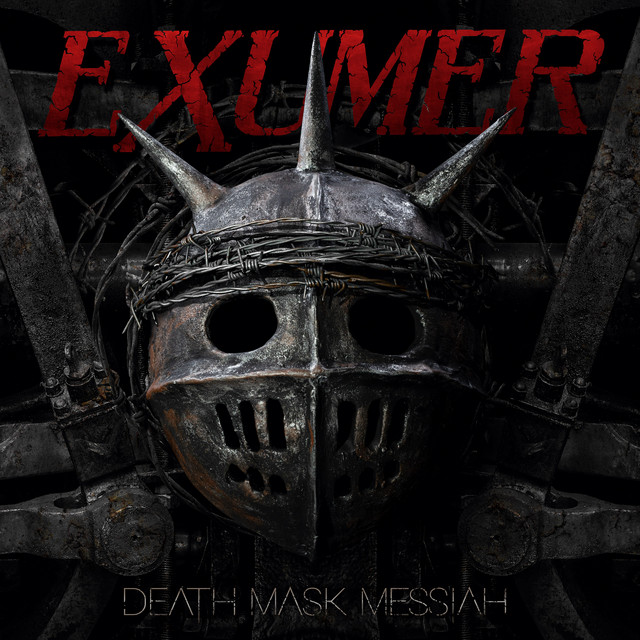
Death Mask Messiah
Dry, chiseled guitar tones scrape against a thick, unlacquered rhythm section, emphasizing percussive snap over studio gloss. The low end from Jerome Reil’s kick drums and Alex Voss’s clattering bass provides a firm, physical floor, leaving Ray Mensh and Marc Bräutigam’s twin guitars room to bite with raw, serrated precision.
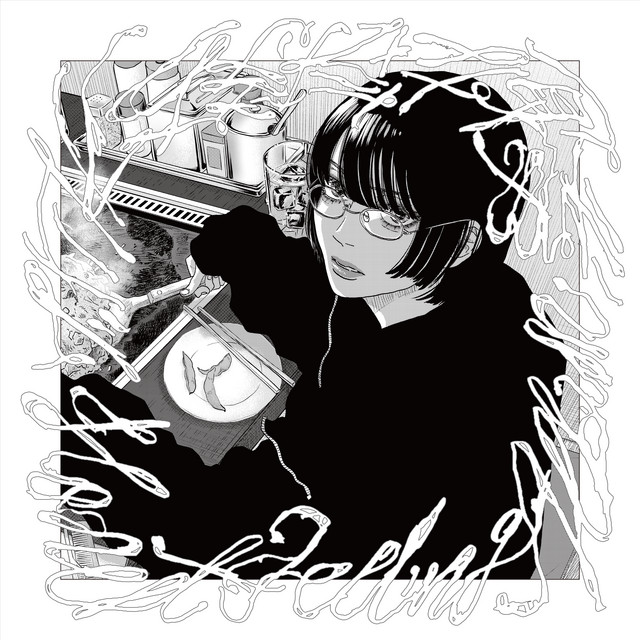
Honest Feeling Album
This is Hakushi Hasegawa’s most disciplined and devastating work to date. Enlisting the live ensemble HaHa and The Hairpins gives their trademark sensory deluge an anchoring physical heft: snare hits snap with human friction, agile bass lines tether hyperactive polyrhythms, and horn sections pivot on a dime from showtune swing to feral free jazz.
Melting Days
Framed symmetrically by Bryan Manzo’s saxophone on "Sightline" and "Uncharted," the ten pieces trace an arc of measured emotional drift, never letting their ambient surfaces settle into inert drone. Tension gathers through micro-movements: delicate arpeggios in "Bird’s Eye" and the heavily processed cello loops of "Apparition" continuously dissolve and regenerate, giving the early stretch a restless, kinetic momentum.
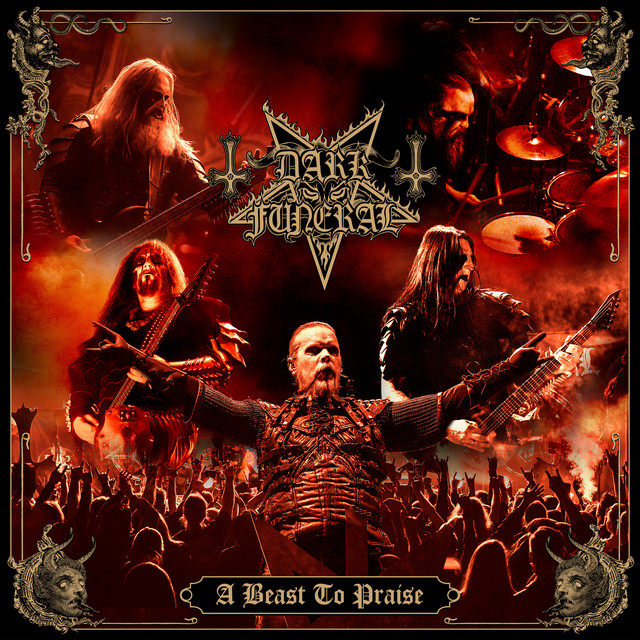
A Beast To Praise (Live in Stockholm)
"Unchain My Soul" emerges from ambient hall murmurs into a barrage of biting tremolo picking and relentless double-kick patterns, Heljarmadr bellowing commands that pull the Stockholm crowd into an echoing chorus. Across its expansive run time, the track establishes the performance's defining dynamic: immaculate technical discipline paired with a surging, forward-driving rhythmic assault.
Hallucinating Love (Deluxe)
Hallucinating Love navigates a persistent friction between private recuperation and collective release, balancing bedroom-scale fragility against expansive, sun-drenched momentum. Rather than allowing personal turbulence to weigh the music down, the duo translates convalescence into uplifting, full-bodied groove, anchoring electronic dance arrangements in the warmth of acoustic performance.
Splayed Werks
Spanning fifteen tracks across seventy-plus minutes, the sequence operates as a volatile pendulum between clipped, kinetic miniatures and broad expanses of beatless decay. Compressed rhythm studies like "Multiplay" and "Dia" rattle with rapid-fire footwork percussion, pitched vocal fragments, and metallic percussive chimes, establishing a brisk, twitchy momentum that rarely settles in one groove for long.
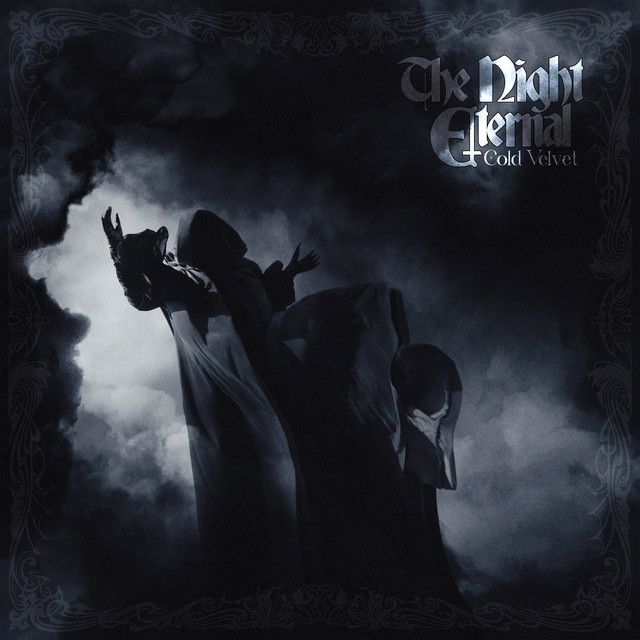
Cold Velvet
Arriving as the German quintet’s high-profile debut for Metal Blade Records, Cold Velvet lands at an intersection where traditional heavy metal revivalism leans deep into goth-rock gloom. Rather than smoothing out their edges for a larger platform, the Essen outfit doubles down on subterranean drama, trading digital amp simulations for the warm, analog saturation dialed in during sessions at Church of Sound Studios.
Hallucinating Love (Deluxe)
Some nineteen months after its January 2025 release, Maribou State's Hallucinating Love returns on Ninja Tune in a deluxe edition. The original was the London duo's first full-length in seven years, made during a stretch of personal hardship, and it found them leaning toward pop songcraft without dropping the chillwave-tinged electronica they have worked in since their 2013 debut.
Made Flesh
Crushing weight and spacious melodic clarity refuse to cancel each other out on Made Flesh, locking heavy post-hardcore grit and expansive alt-rock drift into a single, tightly coiled frame. Rather than smothering the songwriting beneath impenetrable walls of fuzz, the French quartet strips away clutter to let unadorned basslines and clean vocal melodies command the center, allowing distortion to surge around the perimeter as structural punctuation rather than background filler.
Materia
Beginning in the nimble, off-kilter lurch of "The Laugh Is in the Eyes", the collection unfolds less as a rigid sequence and more as an elastic drift. Clarinet flourishes, synthetic flutter, and rolling fretless bass propel the earliest passages with an agile energy, before the arrangements decelerate into softer, airier territory across "My Lost One" and "Fantasy".
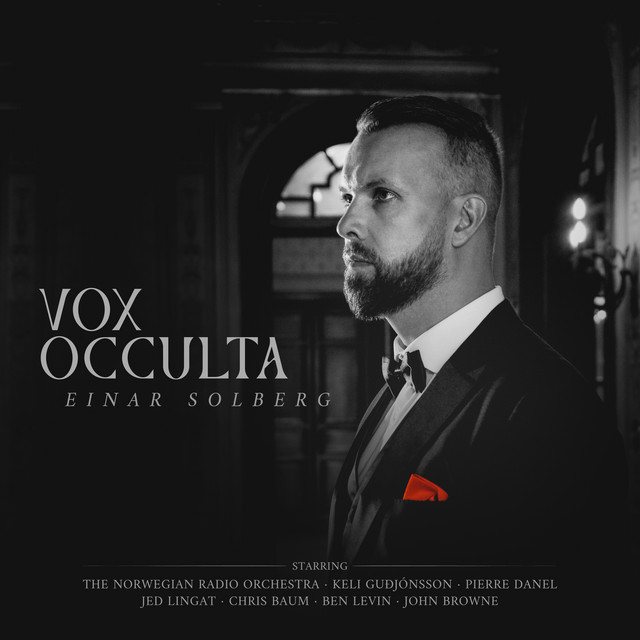
Vox Occulta (Deluxe Edition) (feat. The Norwegian Radio Orchestra)
Front-loading its sharpest melodic hooks, the album establishes momentum early through dense, punchy dynamics before settling into an elongated, patient second half. Heavy, syncopated guitar chugs and surging symphonic swells propel the initial stretch of tracks, while later movements pull back into spacious chamber arrangements that demand sustained endurance.
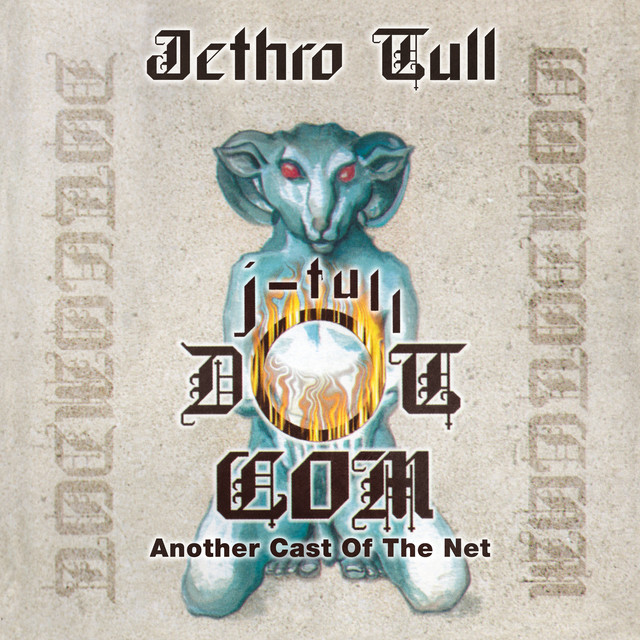
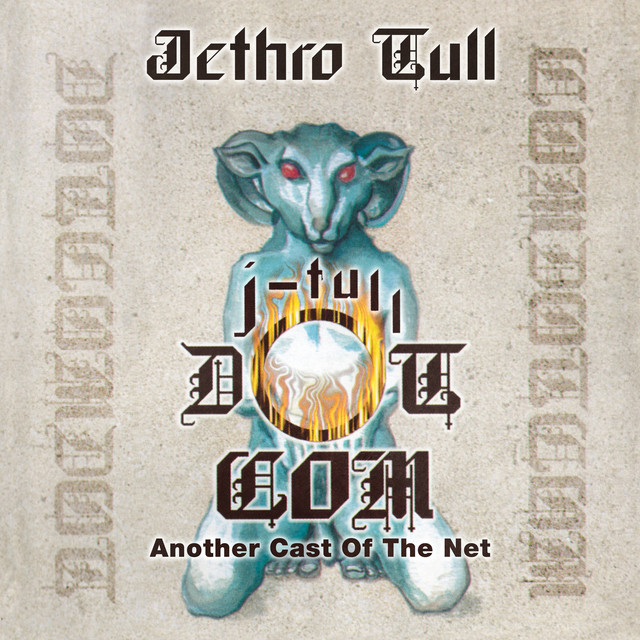
J-Tull Dot Com: Another Cast Of The Net
Stepping back from electronic gloss and sprawling prog-rock grandeur, this late-nineties entry doubled down on earthy folk-rock roots while sharpening the band's interest in Eastern melodic scales and intimate acoustic arrangements. Rather than chasing turn-of-the-millennium trends hinted at by its tech-conscious title, the material anchored the long-tenured lineup in organic interplay, pairing Ian Anderson's weathered vocal register with nimble flute passages and Martin Barre’s crunchy electric phrasing.
Lost In Another World
Unfolding at an even, deliberate stride, the sequencing across the runtime maintains a continuous pulse that holds the record in steady suspension. The opening stretch builds momentum through the pointillist synthesizer patterns of “Overtones” and the breezy, vocoded layers of “People Just Don’t Know”, establishing a balanced mid-tempo cadence where unhurried drum machines and warm analog arpeggios keep the atmosphere buoyant despite the existential weight beneath them.
Chapter 1: This Endless Solitude
Tor-Helge Skei’s collective design yields a masterwork of atmospheric tension that refuses to collapse under its own sprawling guest list. What could easily have degenerated into an incoherent collage instead functions as a taut, singular vision held together by strict studio control.
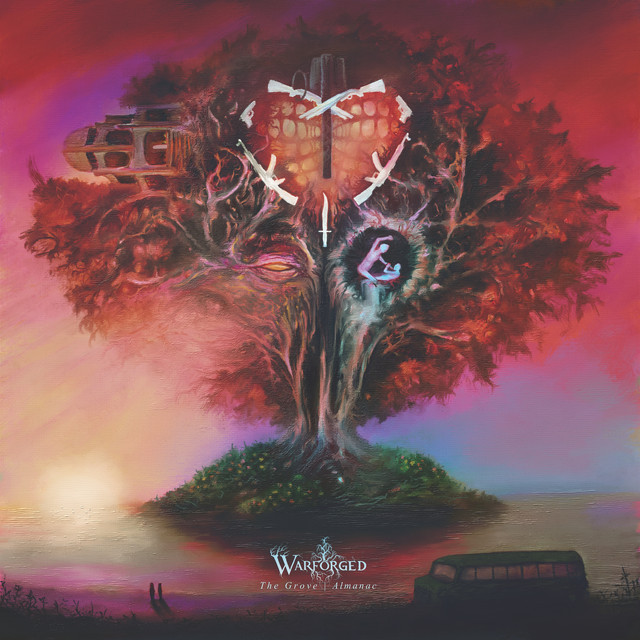
The Grove | Almanac
Instead of erupting into immediate fury, the forty-nine-minute runtime unwinds through deliberate spatial restraint, letting unadorned jazz drum patterns and bare guttural vocalizations stew before any distorted guitar enters the fray. That patient tension in "Miserable No Life King" and "Streets" establishes a fractured rhythm that defines the album's trajectory: linear passages that avoid standard verse-chorus repetition in favor of sudden, sharp pivots into dense palm-muted dissonance.
J-Tull Dot Com: Another Cast Of The Net (Deluxe Edition)
A clumsy nod toward cyber-age modernity clashes against stubborn, tactile traditionalism across the frame of J-Tull Dot Com. While its turn-of-the-millennium packaging hinted at electronic reinvention, the music inside relies on organic earthiness, pinning modal woodwinds, mandolins, and hand percussion directly against blunt hard-rock riffing.
One Assassination Under God - Chapter 2
Frontloaded with venomous industrial momentum, the tracklist charts a deliberate arc from hostile confrontation toward brooding, atmospheric decompression. "Unalive" and "Don't Answer the Door" set an unsettling, mid-tempo cadence where low-end synthesizers and Tyler Bates' cinematic guitar layers build tension, detonating when "Front Toward Enemy" accelerates into blunt, percussive aggression.
Lost In Translation
Here is a record that wants to be heard and to stay hidden in the same breath. Take "Lost in Translation," one of the earliest songs written for the album and placed near its end. A steady kick and snare keep time while the guitars dissolve into washes of effects, so the floor under the song stays firm while the air above it keeps drifting. The lyric describes a person sealed inside their own head, yet the arrangement reaches outward with glassy, sweet-edged melody.
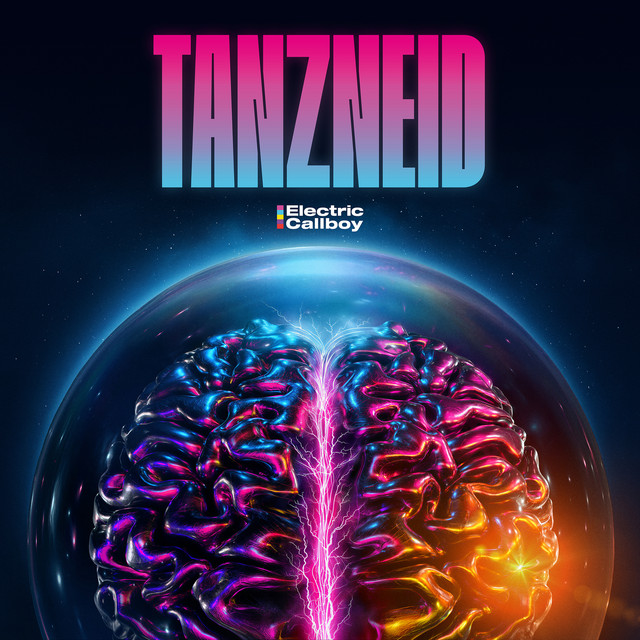
TANZNEID
"The Way You Are" masquerades as a pristine late-nineties boyband ballad, layering glossy croons over clean keys before detonating into jagged, drop-tuned guitar chugs and guttural roars. Just as abruptly as the breakdown erupts, the arrangement pivots back into saccharine vocal harmonies, treating tonal whiplash as its central attraction.
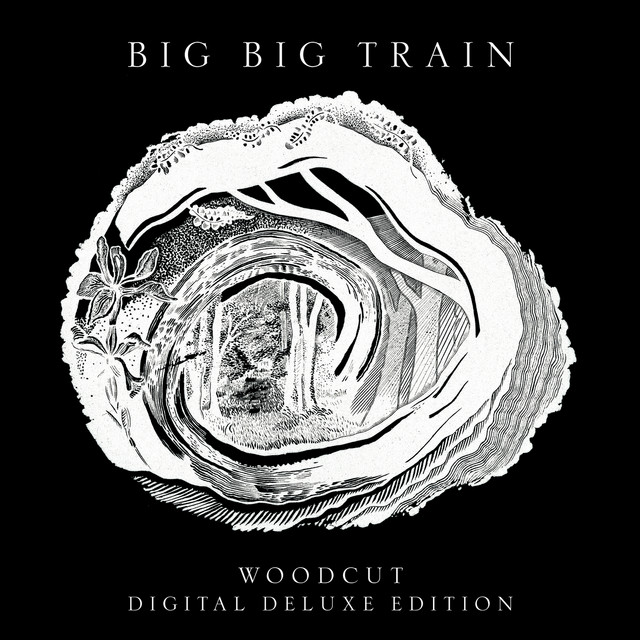
Woodcut (Deluxe Edition)
Delicate, tactile craft and crushing theatrical weight pull against each other across the hour-long suite. Intimate passages built from acoustic twelve-string picking, plaintive violin, and hushed vocal exchanges continually collide with heavy, churning guitar distortion and brassy, polyrhythmic climaxes. Rather than smoothing these contrasts, the arrangements sharpen them, allowing the pastoral hush of folk woodwinds to sit directly beside jagged, syncopated rock riffing.
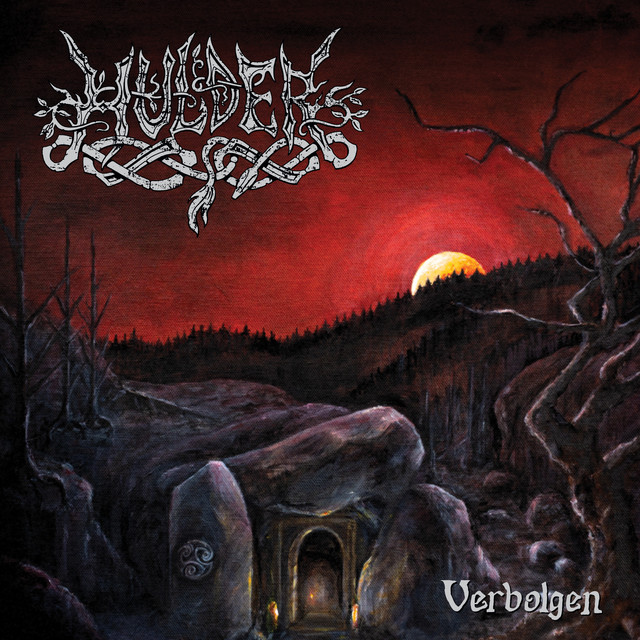
Verbolgen
The album unfurls with calculated patience, framing its violence around deliberate ebbs and surges rather than sustained bombardment. After the archaic woodwinds and plucked strings of "Drie Raven" set an austere woodland perimeter, "The Crowning" creeps forward at a measured gait before erupting into a sprint of blast beats and icy tremolo picking. This rhythmic elasticity carries through the front half: mid-tempo, doom-tinged dirges like "Thy Binding Oath" routinely buckle under sudden avalanches of percussion.
Pure Devotion
Pure Devotion is the sharpest distillation of UK club heritage Overmono has ever mounted, trading the broad sweep of their debut for an unsparing, tactile precision. The Russell brothers pare back the clutter to concentrate purely on the mechanics of propulsion and weight, running abrasive synth saws and heavy sub-bass directly against featherlight vocal micro-samples.
XXXXX
Following the five-part Kick cycle and a half-decade detour into mainstream pop production and gallery art, Arca’s return to XL Recordings arrives as a sharp recalibration of her electronic terrain. Rather than stretching her sonic vocabulary outward into pop maximalism, the 47-minute suite contracts inward, reviving the continuous, erratic sequencing of her formative mixtape projects beneath the frame of a rogue radio transmission.
Infinitude's Passage
Guitars scrape and interlock with surgical clarity over a restless rhythm section where every cymbal tap and spidery bass run cuts cleanly through the churn. Mixed with an earthy, unvarnished bite rather than clinical gloss, the sonic space feels taut and physical, leaving room for mid-register snarls to collide against dry, cascading riffs and subtle woodwind textures without collapsing into sludge.
fabric presents Mount Kimbie (Mixed)
"Monroe" starts with percussion that sounds deliberately loose, as if the pattern hasn't decided where to land. Synths arrive in pulses, and a voice surfaces in fragments, smeared by reverb before sliding back under the drums. It revisits the duo's 2017 song "Marilyn," but never lets the vocal settle into a hook. The result is a steady lift that suits a basement as well as a field at dusk.
Resurgence
"Nixy" pivots on a relentless, mid-tempo groove, setting rapid-fire rhythmic cadences against sudden bursts of guttural shouting and soaring clean hooks. Down-tuned riffs lock tightly into sharp, restrained drum work, showcasing the dynamic engine that propels the Berlin trio's fourth full-length.
Ataraxia
"Enemy" begins with a guitar figure that prefigures its chorus melody, letting sparse, roomy percussion carry the initial verse before jagged screams fracture the pre-chorus. The tension resolves into a soaring hook where low-tuned guitars shadow the vocal contour note for note, demonstrating how the Swedish quintet anchors volatile dynamics in focused, pop-conscious design.
Lover Of A Ghost (Deluxe Version)
Violent Vira spent years assembling a following from singles and a 2023 EP before attempting a full-length, and Lover of a Ghost reads as the moment that loose output hardened into one project. The album drops the scattered, one-song-at-a-time feel of its online beginnings and sequences its material as a sustained mood. An eerie, murky opener gives way to heavier riffs and light screams set against gloomy melodies, and the record keeps returning to that pairing of quiet ache and sudden force.
Spoon and Rafter (2026 Remaster)
Beginning with the nine-minute sprawl of "Bluebird of Happiness", the running order stakes its claim on unhurried, multi-part architecture before contracting into sharper pop focuses like "Starlite #1". Rather than maintaining that towering scale, the front half deliberately lets ambient electronic washes, glockenspiel chimes, and tiered acoustic guitars give way to a gentler, more focused cadence.
Out of Tune (2026 Remaster)
Reverb has been stripped from much of this record, and the change is audible at once. Neil Halstead's acoustic guitar sits close and dry, its body given room to ring without haze. Where the debut drifted in a fog, this one sounds like a band playing in a bright room, each instrument holding its own edge.
Ask Me Tomorrow (2026 Remaster)
Stretching its nine tracks across a deliberate, unhurried arc, the album establishes its hypnotic cadence immediately with "Love Songs on the Radio," where brushed snare and haloed acoustic chords drift at a twilight stroll. Rather than escalating, the sequence sinks deeper into this twilight suspension. Piano keys drop like quiet rain while lap steel and muted cello fill the surrounding air, keeping the rhythm steady, fluid, and stubbornly slow.
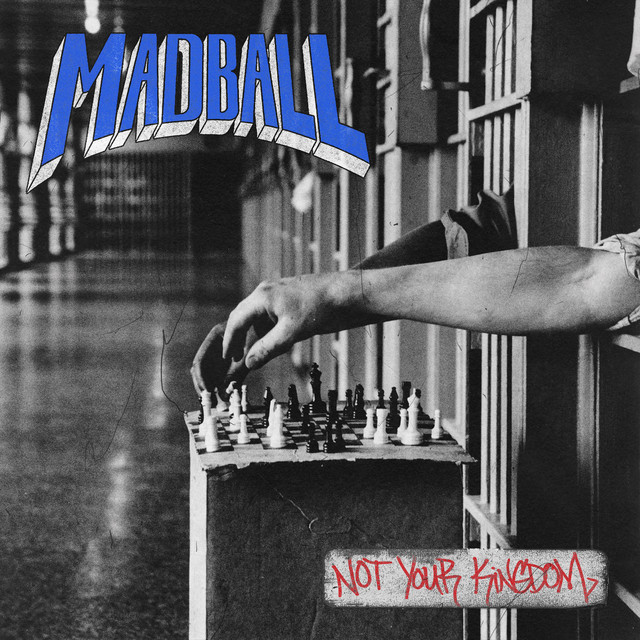
Not Your Kingdom
Clocking in under thirty minutes across fourteen tracks, the sequence relies on rapid alternations between sub-minute sprints and heavy, swinging grooves. "Tethered" establishes a mid-tempo bounce that immediately snaps into the rapid thrash of "Flammable," establishing a tight cadence that rarely lingers. Brief sonic detours—a short reggae interlude, a flicker of radio dial noise on "Sunrise"—act as brief recalibrations before the music plunges back into high-gear motion.
I Know What I Saw
I Know What I Saw is more persuasive as a sequence of moods than as a set of songs. The Nashville trio spreads eight tracks across roughly thirty minutes, with thick, close-miked guitars that rarely loosen their grip. The opener's plucked chords set a warmer, more pastoral tone than the heavier pull of the band's earlier EP, and that change of temperature is the record's clearest decision.
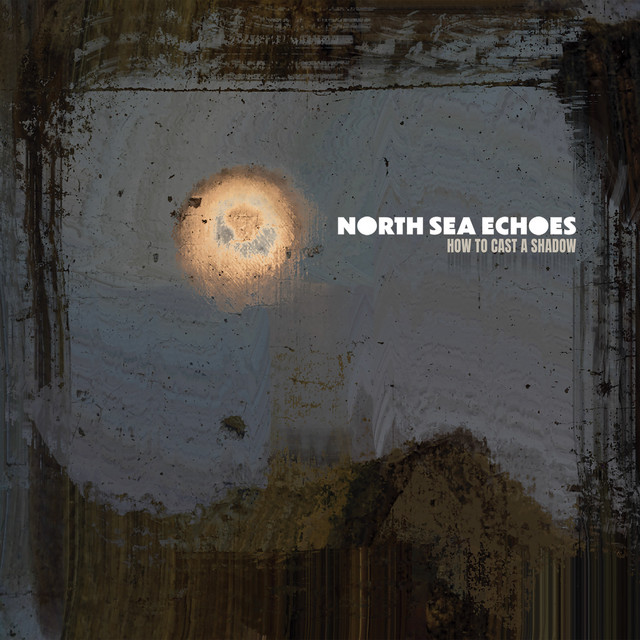
How to Cast a Shadow
Clean, damp guitar arpeggios hang suspended over muted synthesizer pads and the low thrum of electronic percussion, carving out an expansive, fogged sonic perimeter. Rather than filling the negative space, the arrangements leave wide gulfs between deliberate bass pulses and dry acoustic drumming, keeping the mix austere and deliberately low-lit.
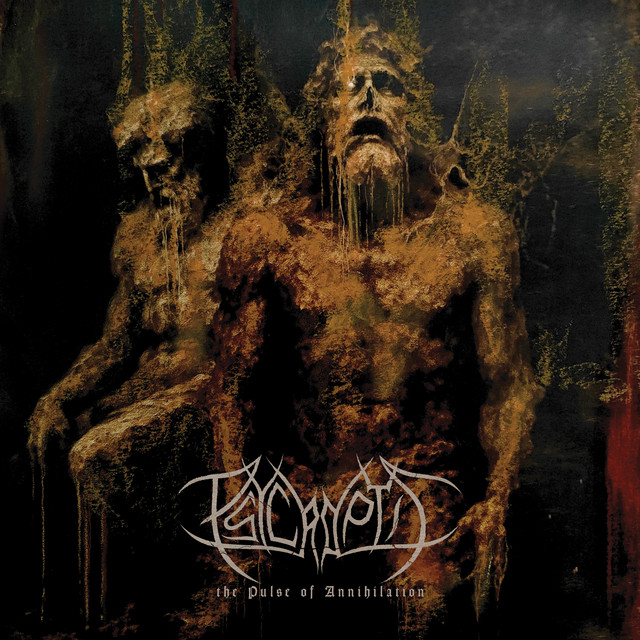
The Pulse of Annihilation
Dual vocalists trading roars and shrieks over serpentine guitar work set the tone for The Pulse of Annihilation, Psycroptic’s ninth full-length and label debut for Metal Blade Records. The Tasmanian technical death metal veterans refine their formula by striking a balance between complex speed and heavy rhythmic groove, allowing individual passages space to breathe without sacrificing sheer velocity.
Made In The Dark (Expanded Edition)
Having outgrown the insular bedroom confines of their earlier work, Hot Chip abandon polite minimalism here, leaning hard into polar extremes. The record doubles down on hyperactive dancefloor machinery while sharpening an almost vulnerable, unvarnished romanticism, oscillating wildly between abrasive electronic floorfillers and unhurried slow jams.
Nowhere Speaks
Low frequencies rumble through dense, muddy air while guitars hiss and creak over airless, anti-groove percussion. Jérémie Bézier's production traps the instrumentation inside a wet, claustrophobic vault: cavernous rasps are reduced to dry, sibilant whispers right against the ear, while background synths moan like wind pushing through concrete cracks.
The Warning (20th Anniversary Edition)
Thick synth lines lock into crisp hi-hats, acoustic glockenspiel chimes, and buoyant keyboard patches. Sharp snare snaps sit beside soft, layered vocal harmonies and fuzzy guitar riffs, while handclaps and gentle melodica hum beneath sparse percussive loops.
A Stranger To You
"Block Of Flats" slides from a calm, piano-backed spoken-word prologue into an abrupt collision of digitized metalcore, funk-swung rhythms, and layered soul harmonies. The track churns through frantic, distorted verses before collapsing into a weightless ambient lull, only to erupt again as guest vocals cut through the electronic haze.
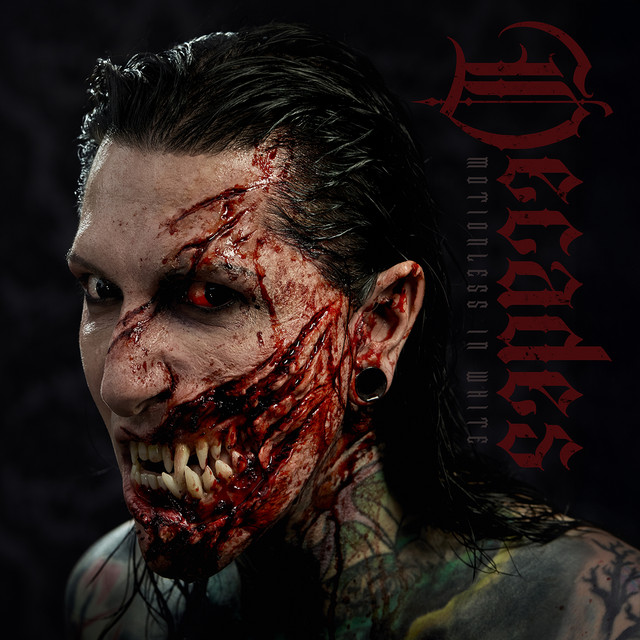
Decades
Two decades in and firmly entrenched atop Roadrunner's arena-metalcore roster, Motionless In White arrive at a moment where theatrical goth-metal commands massive, main-stage crowds. Decades capitalizes on that momentum, doubling down on the maximalist formula that elevated them from club-circuit shock-rockers to stadium headliners.
Secret Love (Deluxe Edition)
Florence Shaw still sounds as if she’s narrating from the edge of the room, but the three additions to Secret Love make that stance feel newly vulnerable. “Sliced by a Fingernail” brings a restless bassline, sharp guitar and the set’s most immediate rush, while “Grass” and “I Have the Key” deepen the album’s contrast between dry absurdity and exposed feeling. The Luna Collective calls “I Have the Key” a “heartrending refrain,” noting that it is “genuinely sad” without the usual comic escape hatch.
The Arsonist
The guitars arrive already scorched, dragging blues riffs through Southern gothic dread and post-punk abrasion. Critics hear a record that thrives on contrast: Angry Metal Guy calls it a “dynamically-sequenced, organically-produced dance between barn burners and smoldering pits,” while The MetalList says its analog roughness “reads as honesty rather than a pose.” That tension gives The Arsonist its shape—slow-burning, swampy, and ominous until songs like “You Never Answered” and “Never Rest” break into sharper, more combustible motion.
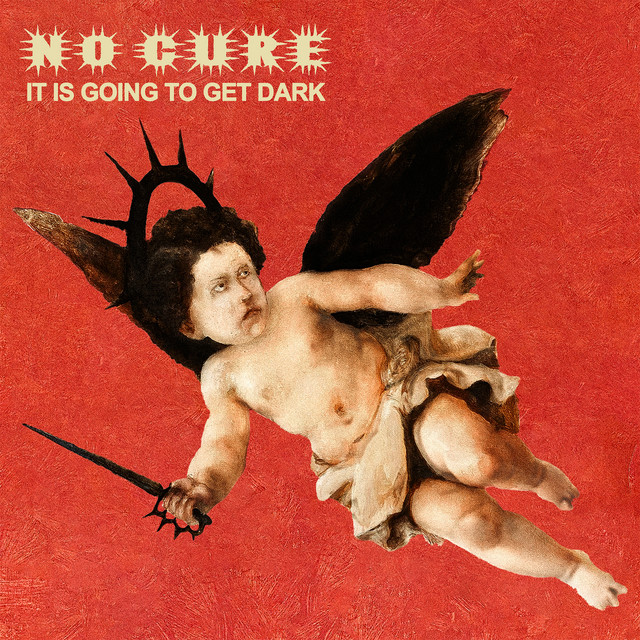
It Is Going To Get Dark
No Cure open It Is Going To Get Dark with “How did we get here?”—then answer with 32 minutes of down-tuned violence. Their debut operates in the narrow, volatile space between metallic hardcore, death metal, and deathcore: frenetic guitars, bludgeoning drums, gang vocals, and Blaythe Steuer’s wide range of abrasive screams. Distorted Sound calls it “gritty” and “explosive,” while Wonderbox Metal hears a “raging, bone-breaking record” built from lethal groove and venomous hooks.
new avatar
Thrashing guitars collide with crystalline synths on “idea 1,” setting new avatar in a tense space between shoegaze, club music, and Kelela’s liquid R&B. Critics hear the shift as purposeful rather than cosmetic: Pitchfork describes an album that “turns to guitars at a moment fraught with social and emotional tension,” while NME calls its defining quality a “beautifully controlled register.” The production keeps its pressure low and constant—house bass, skittish drums, distorted guitar, and featherlight harmonies circling lyrics about exhaustion, autonomy, and relationships under strain.
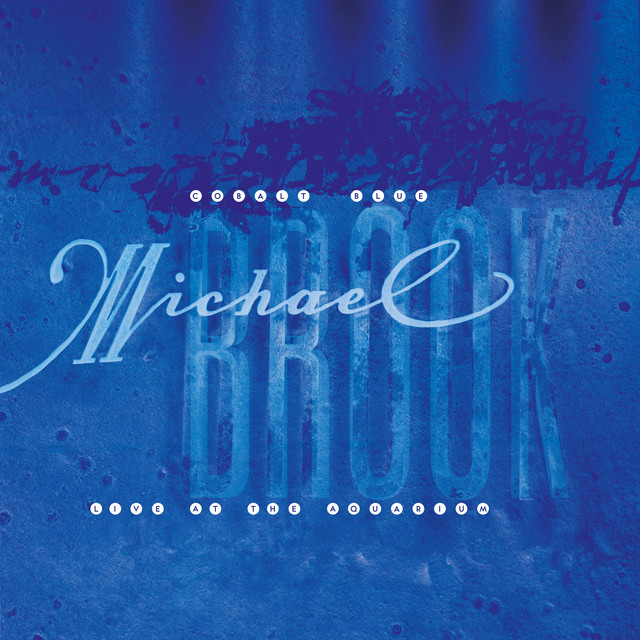
Cobalt Blue & Live at the Aquarium (2026 Remaster)
A sustained guitar note hangs over pulsing bass, electronic percussion, and traces of jazz and global music, making Cobalt Blue feel less like a collection of songs than a single current with changing shapes. Qobuz describes Brook’s approach as “cooler and more lateral,” built from “fluid jazz phrasing, throbbing electronics, and Fourth World globalism,” a useful account of music that is spacious without becoming weightless.
moisturizer (deluxe)
Guitars bend and detune into shoegaze territory while emergency sirens wail across opening track "CPR," signaling that the Isle of Wight quintet have expanded far beyond the deadpan minimalism of their breakthrough debut. Moisturizer trades sly, detached cynicism for an unabashedly romantic charge, padding its driving post-punk grooves with lush early-90s alternative rock flourishes and unapologetic pop-punk bite.
Waste Where Life Begins
Apogean’s technical death metal arrives less as a blur of virtuosity than a deliberate, groove-heavy assault: thick chugs, blackened tremolos, forceful growls, and flashes of violin and choir give Waste Where Life Begins a darker, more cinematic character. The Progressive Subway notes that it “doesn’t ring like a typical technical death metal album,” while Dead Rhetoric hears musicians who “balance out the complexity and virtuoso nature” with “strong circular hook” writing.
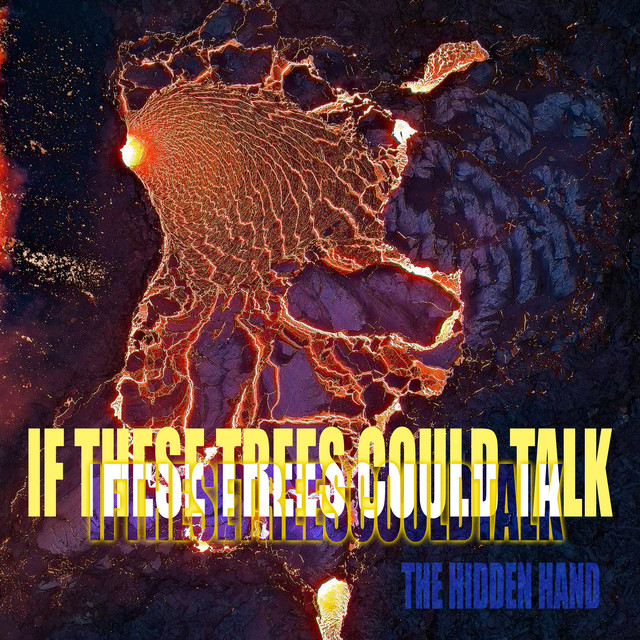
The Hidden Hand
Three guitars carry The Hidden Hand through nine largely instrumental tracks, trading crystalline detail for dense, deliberate weight. Reviewers hear a band returning to its established language rather than reinventing it: “uplifting and bright” melodies are balanced by darker shading, while “crystalline notes and reverb-drenched chords” move between spacious reflection and heavier post-metal pressure. “Moon Machine” and the two-part “Silence Between Mountains” provide the album’s most expansive emotional arcs, with grief, hope, and tension emerging through patient builds rather than vocals.
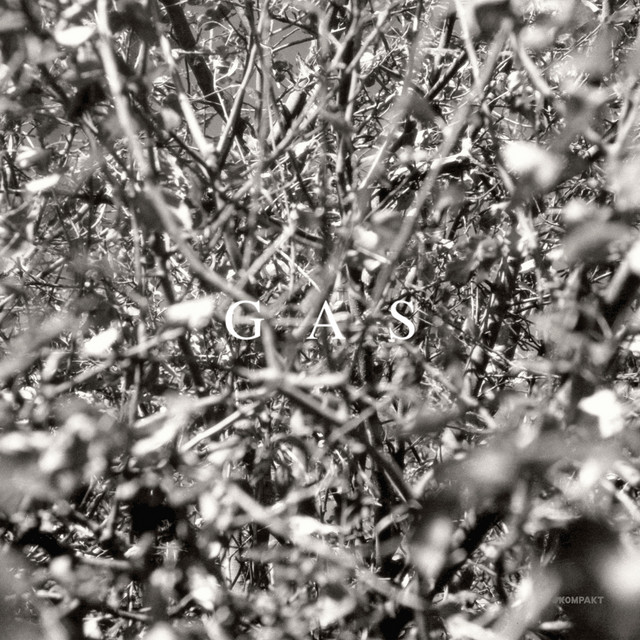
November 89
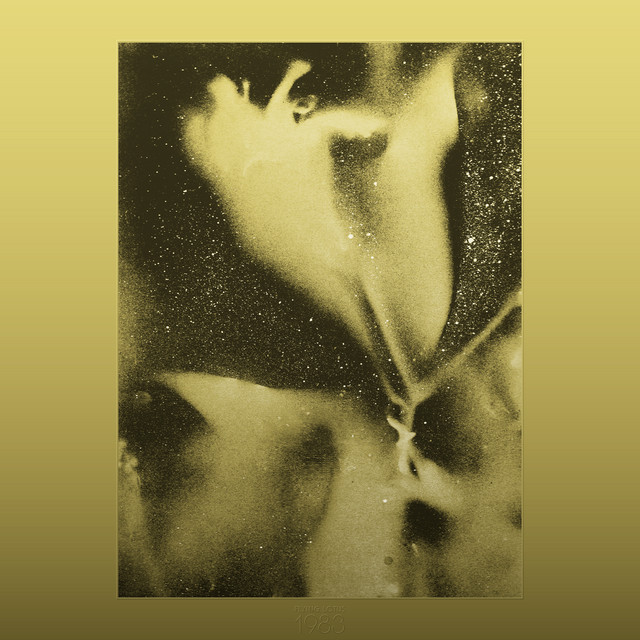
Released on vinyl for the first time by Kompakt, the archival recordings on November 89 expose the primordial roots of Wolfgang Voigt’s GAS project. Originally bundled inside a 2008 art book, these late-1980s pieces predate his iconic formula, offering an essential glimpse into his imaginary woodland terrain before it became fully consolidated.
Graveyards of Joy
Expanding their core duo into a quintet, TodoMal anchor the heavy progressivism of Graveyards of Joy in the ghost towns and depopulated provinces of rural Spain. Critics note that the band delivers a "gloom-ridden ride through all the stages of grief", leaning into a majestic, melancholic sound that feels both cathartic and deeply lived-in.
Aeternum (Existenz)
A star-bright ambient ascent gives way to slow acid, deep techno, and metallic electro on Aeternum (Existenz), the final movement in Function’s long Existenz cycle. Boomkat calls it an “expansive, full spectrum strafe” and hears “nocturnal pads and lustrous acid lines” carried into some of Sumner’s most romantic club music. The record’s strength is this controlled movement between suspension and propulsion: “City of Luz” stretches a heady acid pulse across twelve minutes, while “Transmutation” sharpens the mood with elegant, Sandwell District-style drive.
Exhale
Handpans and congas coil around barely-there kick drums on Exhale, a collaboration that eschews explosive club energy for organic, slow-breathing textures. Critics welcomed this subtle union of Bristol bass and Italian minimal techno, observing how “Batu’s drums give Dozzy’s swampy sound design a structure to cling to and wrap around”. Rather than a battle for dominance, the record unfolds as a work of “restrained, cerebral techno” that functions in deep, hypnotic zones.
Mana
A lone trombone drifting through live pedalboard delays and the sparse punctuation of Satie-like piano keys lay the groundwork for Kalia Vandever’s Mana. Departing from the expansive modern jazz of their celebrated quartet recordings, the composer’s International Anthem debut constructs an intimate improvisational sanctuary rooted in their Hawaiian ancestry.
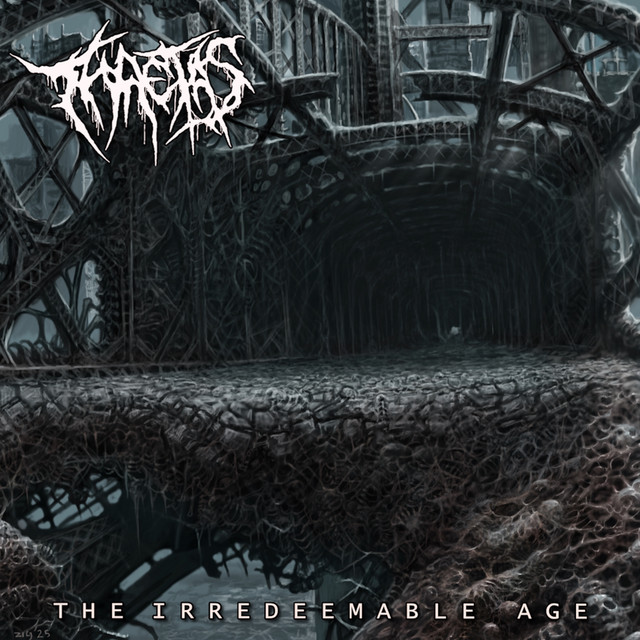
The Irredeemable Age
On The Irredeemable Age, Thætas build their songs around sudden tempo drops, jarring acoustic stings, and palm-muted grooves that continually collapse into discordance. Rather than relying on raw technical speed, the New York quartet leans into a volatile style that challenges the rigid boundaries of modern brutal death metal. The result is a sound that shifts fluidly between high-velocity punishment and eerie, dissonant suspensions.
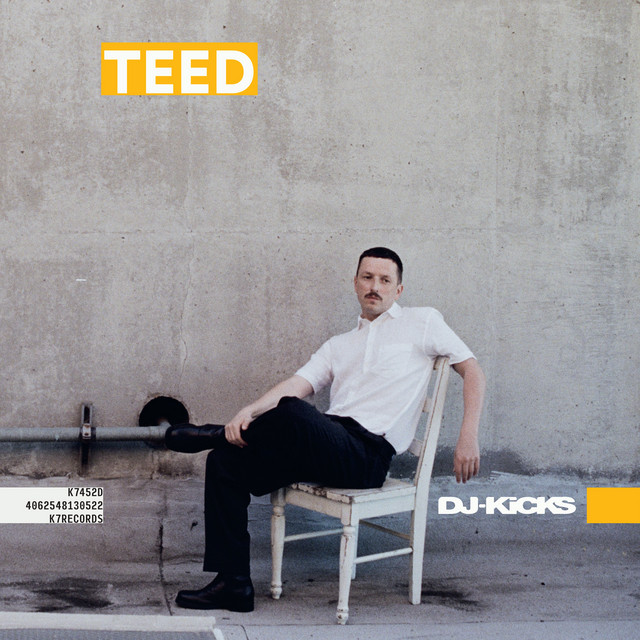
DJ-Kicks: TEED
Kicking off with a brief, beatless intro before plunging straight into a pumping line of vocal house, Orlando Higginbottom’s contribution to the legendary!K7 series embraces a sunny, California-adjacent optimism. Inspired by the ritual of the "pre-game," the selection feels "romantic and detached, as if lost in a reverie about a new crush or recent stolen kiss".
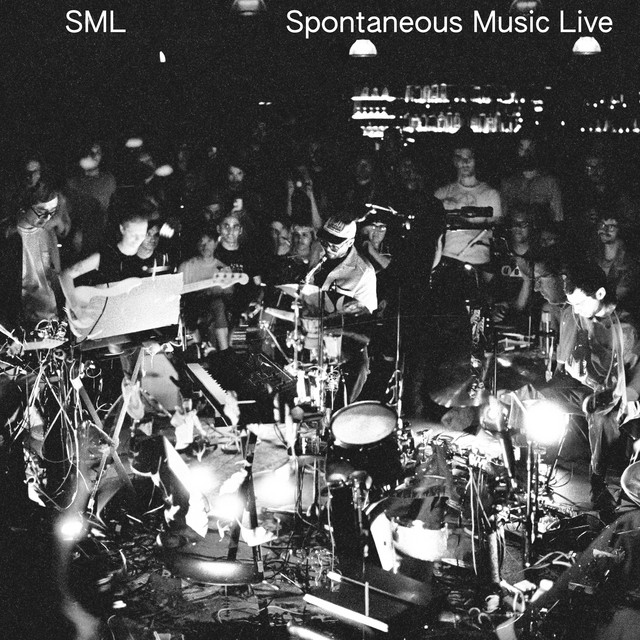
Spontaneous Music Live
Recorded straight to tape at Los Angeles’s Zebulon, SML’s first unedited live LP strips away the painstaking production and surgical editing that defined their previous efforts. The quintet instead leans entirely into their intuitive in-the-moment chemistry, proving they can generate immense groove-based momentum without any "studio trickery."
Victory
Guitars arrive first, jagged and overdriven, before Victory detonates into synths, vocoders, and giant choruses. Madeon’s seven-year return is a “warp-speed journey through big-tent synth pop,” according to Pitchfork, but its real fixation is French electro’s sleazier edge: electroclash poses, distorted riffs, new-wave tension, and melodies built for the largest possible room. Mikiki’s opening question—“Was it always this rock?”—captures the record’s sharpest left turn.
Apocalyptic Steel
Scrapped, shelved, and eventually resurrected from a 2014 hard drive, Nargaroth’s ninth album finds René “Ash” Wagner discarding the atmospheric experiments of his previous work for a "direct, raw, and savage" approach. Rather than plotting a grand evolution, Apocalyptic Steel leans into a "vocal-centered axis of aggression" heavily influenced by classic thrash and death metal, prioritizing repetitive density over progressive structure.
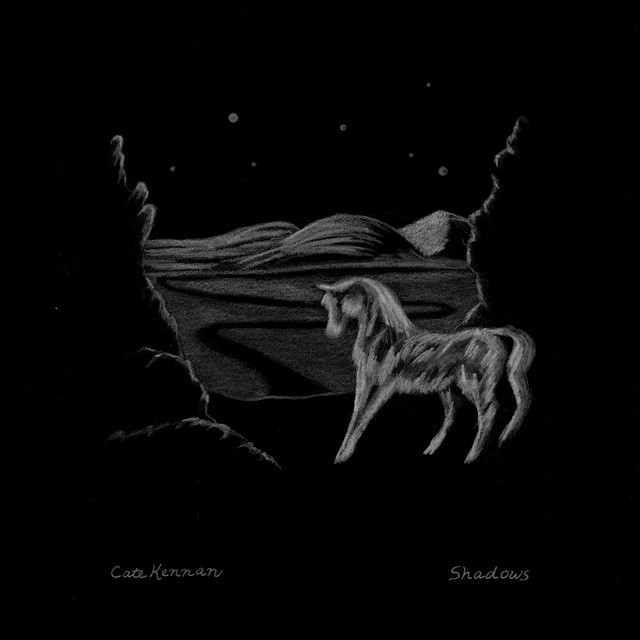
Shadows
"Shadows" unfolds with old analogue synthesizers, a simple keyboard refrain, and what sounds like an early 1970s drum machine before transitioning into a desolately beautiful twilight zone. Cate Kennan's second self-produced record captures a state of quiet dislocation, drawing heavily from the rustic landscapes northwest of Los Angeles where she grew up.
Your Day Will Come
Titling a sophomore album identically to its debut is a confounding move, yet Shane Lavers' second record as Chanel Beads thrives on exactly this kind of slippery logic. The album trades in a somnolent haze of digitized home-studio pop, where MIDI textures and processed string arrangements drift like half-recalled dreams. Critics highlight how the project "renders standard pop songwriting into arcane, intoxicating configurations," layering pitch-shifted, androgynous vocals to create something that feels both highly synthetic and deeply sincere.
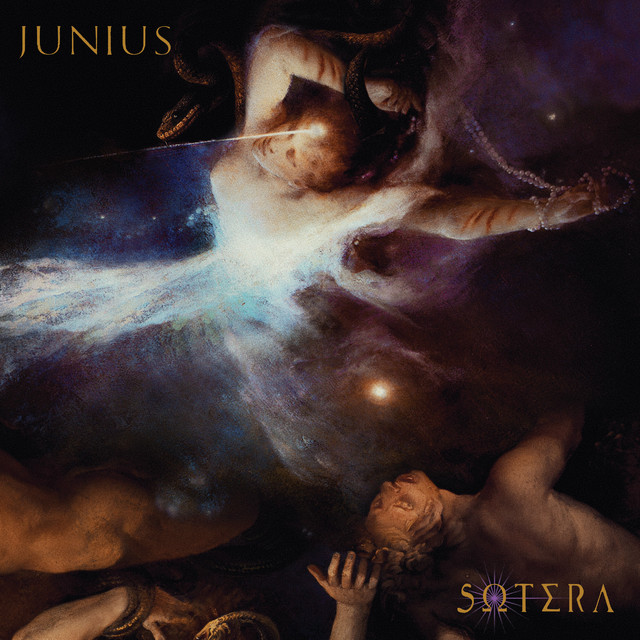
Sotera
Junius returns after nearly a decade with a reinforced three-guitar lineup that amplifies their fusion of alt-metal weight and gothic romance. On Sotera, the Boston post-metallers lean heavily into mythic concepts, centering their lengthy compositions on structural tension and dramatic contrast rather than raw aggression.
Ruin;Rebirth
Abandoning the more straightforward alternative metal margins of his early EPs, Baltimore artist Braydon Hill expands his Zeruel project into a sweeping narrative on Ruin;Rebirth. Driven by heavy post-hardcore rhythms and cinematic string elements, the album attempts to trace the "transcendence of a soul from fall to redemption" through a highly theatrical lens.
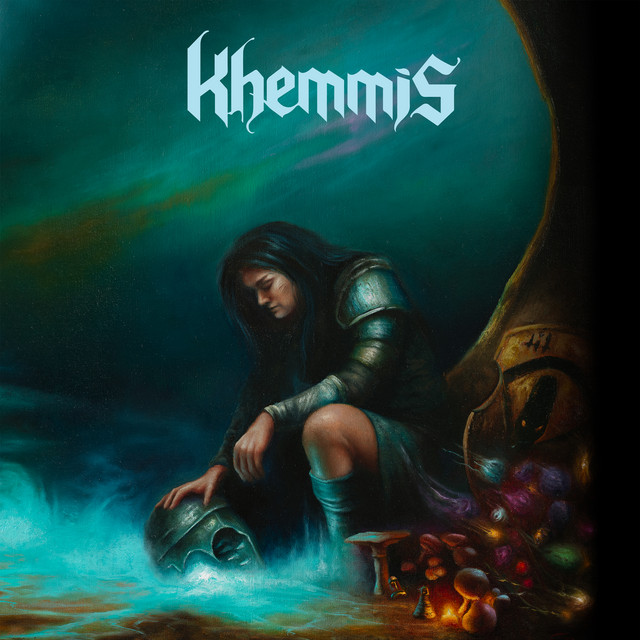
Khemmis
On their self-titled fifth album, Denver's Khemmis push back against the rigid boundaries of epic doom with a nimble, riff-heavy perspective. Instead of relying on sluggish repetition, the band sharpens their focus with dual-guitar harmonies and brief blastbeat eruptions. Critics describe the eight-track collection as a "lean and mean record" that "exercises a more disciplined editorial hand" compared to their previous, atmosphere-heavy outings.
Circadian Promise
On their third album, Connecticut melancholists Fires in the Distance swap some of their signature synthesizer-driven dramatics for a darker, more understated approach to melodic death-doom. Critics noted that listeners seeking their previous formula might find the keyboards "more quiet, both literally in the mix itself and also in the composition". Yet this restraint shifts the spotlight to elegant piano plucking and classical orchestration, providing "a kind of fathomless dimensionality to the album's sorrow".
Altered State
Speeding through fourteen tracks in just over forty minutes, Tokyo death metal veterans Defiled show no interest in easing into autopilot on Altered State. Instead of rehashing comfortable nostalgia, the band leans into a restless barrage of progressive rhythms and raw thrash fury, constantly shifting between unexpected tempos and jagged, dissonant grooves.
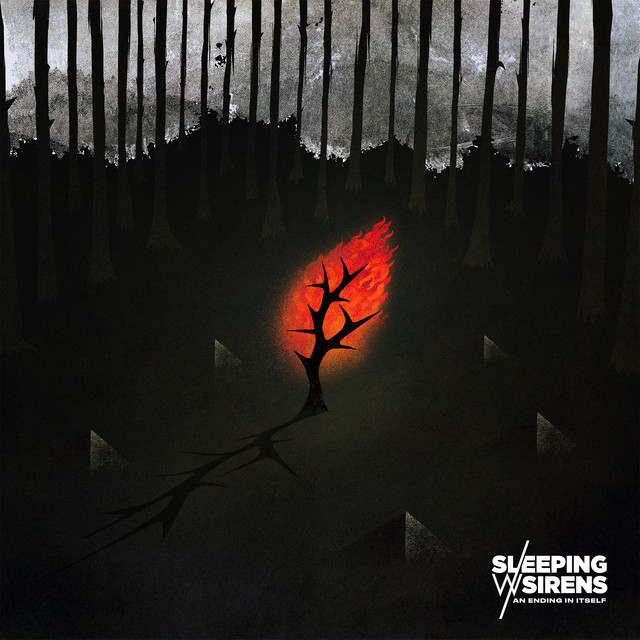
An Ending In Itself
Instead of treading water eight albums deep, Sleeping With Sirens embrace a hard-won maturity and emotional clarity on An Ending In Itself. Helmed by producer Will Yip, the record balances their trademark sky-high hooks with heavy, dense riffery and surprising vocal experiments. Rather than succumbing to gloom, the band pivots toward resilience, tackling mental health struggles with an optimistic eye.
Aurora (Bonus Tracks Edition)
Steve Howe’s nimble, jazzy solos and the sweep of the Czech National Symphony Orchestra signal that the modern-day incarnation of Yes is determined to solidify its own contemporary identity. Yet critics are sharply divided on whether this 24th record, shaped by remote file-sharing, successfully escapes the crushing gravity of the band's legendary catalog.
Magazine
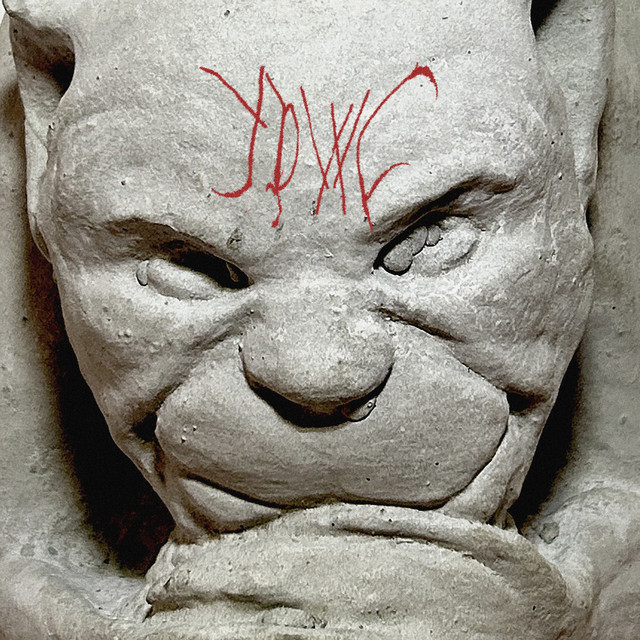
YHWH Nailgun compress their erratic post-punk to a brutal extreme on Magazine, cramming ten tracks into a frantic eleven minutes. Shedding the vocal reverb and rototoms of their debut, the Brooklyn quartet leans into a harsher, more fragmented attack. This extreme brevity has led The Line of Best Fit to describe the album as “uncontrolled chaos, presented in the most controlled of settings”.
End of Disclosure (Remaster 2026)
Peter Tägtgren's twelfth studio outing with Hypocrisy, revitalized in a 2026 remaster by Miro Kiiski, aims squarely at Swedish melodic death metal's core. Opposing forces of hostility and high-drama accessibility clash through grandiose key arrangements and the heavy-handed, chuggy rhythm parts that define their catalog. Critics generally received the album as a polished consolidation of strength rather than a forward leap, with Exclaim! noting that it "rolls out more like a highlight reel of Hypocrisy's specialties."
Destroys Wacken (Remaster 2026)
Recorded at the 1998 Wacken Open Air festival, Peter Tägtgren’s Swedish melodeath outfit delivered a performance that has been freshly polished by Miro Kiiski’s 2026 remaster. Captured at a point when the band was navigating a brief retirement, the set captures Hypocrisy performing with a crushing, dramatic theatricality.
If This Is It
TS Graye’s delicately hummed vocals float over the glistening synths of opener "U Can’t Come Home," easing listeners into a record that quickly pivots toward peak-time club anthems. Across his third LP, If This Is It, Swedish producer Armand Jakobsson delivers electronic melancholy with the polished assurance of a seasoned touring veteran, building a bridge between commercial danceability and personal reflection.
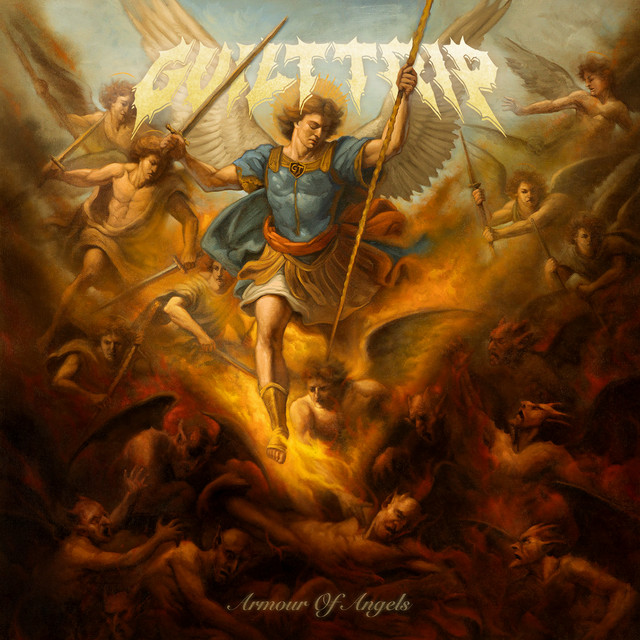
Armour Of Angels
Vocalist Jay Valentine utilizes more clean singing than ever before on Armour Of Angels, pushing the Manchester metallic-hardcore quintet toward the spotlight under their new home on Roadrunner Records. Driven by the formidable fretwork of guitarists Jak Maden and Sam Baker, the record lands as a polished, heavy-hitting collection of twelve brawny hardcore anthems built on distinct nu-metal leanings and bruising riffs.
Spatial, No Problem.
Lee "Scratch" Perry’s final official studio sessions didn't yield another roots record, but a three-day Berlin jam with electronic eccentrics Mouse on Mars. Recorded in 2019, Spatial, No Problem bypasses predictable late-career tributes for a sprawling collision of krautrock drives, atonal brass, and free-jazz excursions. Critics celebrate the dynamic chemistry between the legendary producer and the German electronic duo, noting that Jan St. Werner and Andi Toma succeed at "bottling The Upsetter's slippery shamanistic spirit" rather than just slapping vocals over pre-made beats.
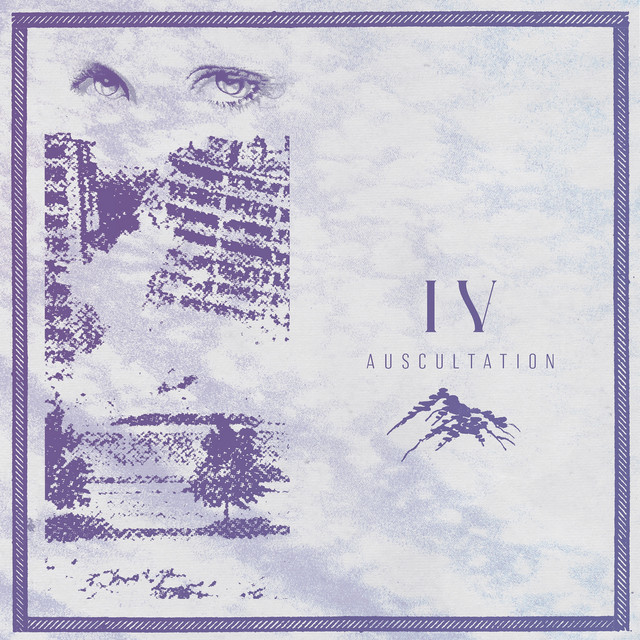
IV
A slowed-down guitar sample melts into a low-slung, sliding bassline on "Precarious," a track that encapsulates the foggy, rain-slicked inertia of Joel Shanahan’s IV. Returning after a six-year hiatus, the Wisconsin-born producer retreats into the damp chill of Pacific Northwest winters, delivering a record that feels bound to both real-world environments and insular moods.
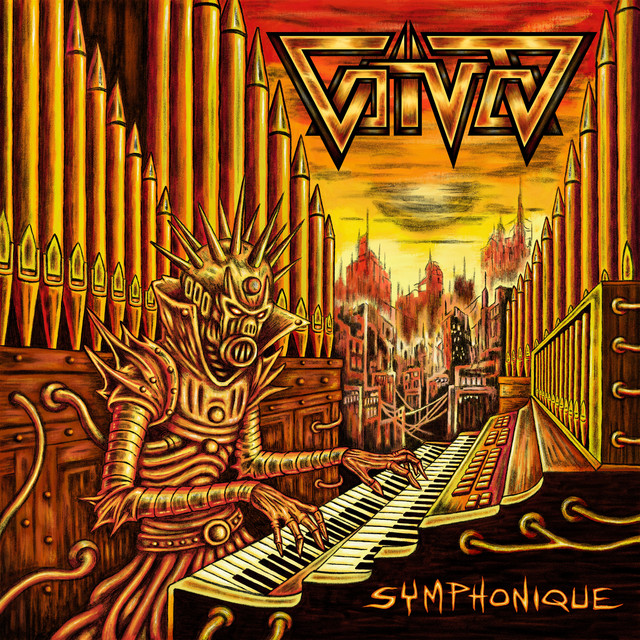
Symphonique (Live)
Denis “Piggy” D’Amour’s dissonant chords and sci-fi harmonics find their logical, theatrical home on this live recording at Quebec City's Grand Théâtre. Backed by the Quebec Symphony Orchestra, the Canadian tech-thrash pioneers dismantle the usual tropes of symphonic metal collaborations. Rather than treating classical backing as an expensive backdrop, the record leverages Hugo Bégin’s orchestrations to highlight the band's inherent eccentricity, transforming early punk-metal outbursts and complex math-metal suites alike.
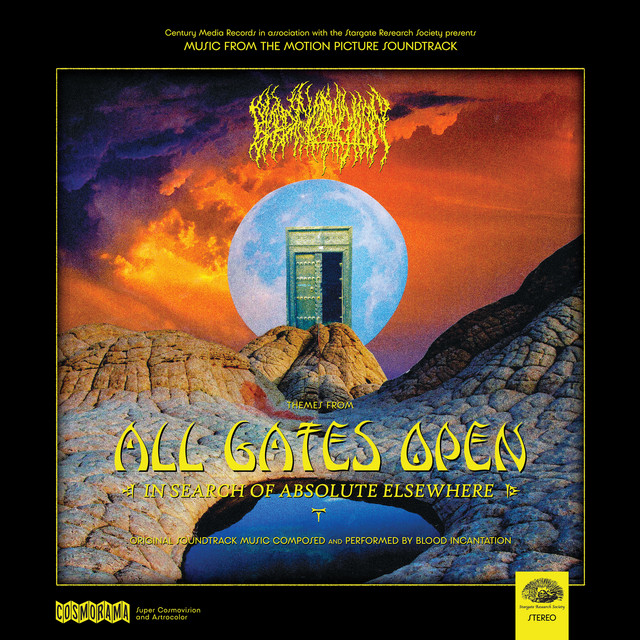
All Gates Open (Original Motion Picture Soundtrack)
To begin are twenty minutes of undulating synthesizers and patient pacing, signaling that Denver’s premier death metal visionaries have once again traded their signature guttural snarls for cosmic, analog synthesis. Long a companion piece tucked away inside deluxe physical editions of Absolute Elsewhere, this standalone release of the All Gates Open soundtrack highlights the band's total comfort in non-metal realms. Critics embrace it not as a mere novelty, but as a "fully realised, deeply considered piece of work that stands entirely on its own terms."
Blowback (2026 Remaster)
A grumbling rub of guitar curves softly beneath whispered vocals on Swallow’s Blowback, a self-remixed experiment rescued from obscurity by this meticulously restored 4AD reissue. Dissatisfied with the gloss of their debut, Louise Trehy and Mike Mason bypassed their initial producer to reconstruct these songs into a more challenging, abstract shape.
Blow (2026 Remaster)
Three decades after its quiet disappearance, Swallow's only studio record is rescued from the margins of dream-pop slipstreams in this revitalized edition. Anne Taegert’s 2026 remaster of Blow (collated as part of the Blown reissue) reveals a band that was "no mere doppelgängers" of their legendary 4AD contemporaries. Critics celebrate how this restoration highlights the duo's distinct grit, reminding listeners that despite their brief tenure on the label, they forged a uniquely fierce identity.
HOUNDSTOOTH
Siiickbrain’s sophomore album pairs urgent, rave-ready tempos with a confrontational embrace of industrial grime and trap-infused electronics. Arriving on the heels of major collaborations, the record thrives on high-energy friction, pitting metallic percussion and acid synth basslines against defensive, bruised vocals.
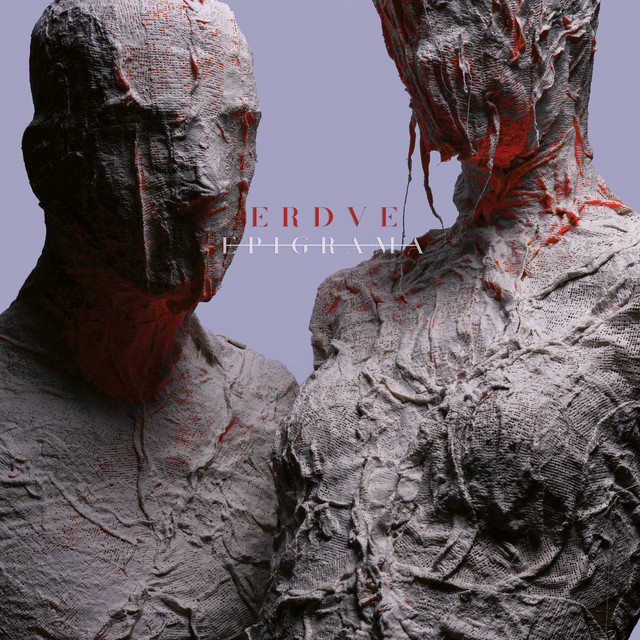
Epigrama
Seven-string guitars tuned to floor-shaking depths and raw vocals delivered entirely in Lithuanian define Erdve’s Epigrama. Refusing to trade on easy build-ups, the Vilnius-based quartet delivers a relentless crawl of blackened hardcore and sludge that functions as a single, uninterrupted transmission of dread.
Projections
Halifax quintet Godthrymm beef up their lineup on Projections with the addition of second guitarist Kris McLaughlin, completing their ambitious "Visions Trilogy." The new configuration allows them to balance despondent, slow-marching classic doom with moments of heavier, fast-paced gallops.
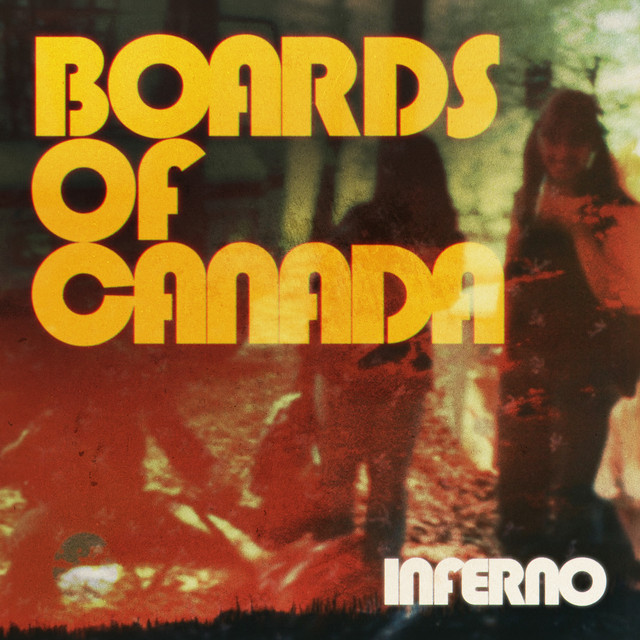
Inferno
From the opening notes, Boards of Canada’s fifth album departs from the hazy nostalgia that defined their early work, stepping instead into a sharp, confrontational present. Critical consensus frames Inferno as a stark pivot after a 13-year hiatus. Sasha Geffen of Resident Advisor notes that the Scottish duo have abandoned their typical "fuzz and wistfulness" for jarring drumbeats and basslines that "slam against the ear," leaning heavily into the "dog-eared playbooks" of industrial and jungle.
The Moth (Deluxe Edition)
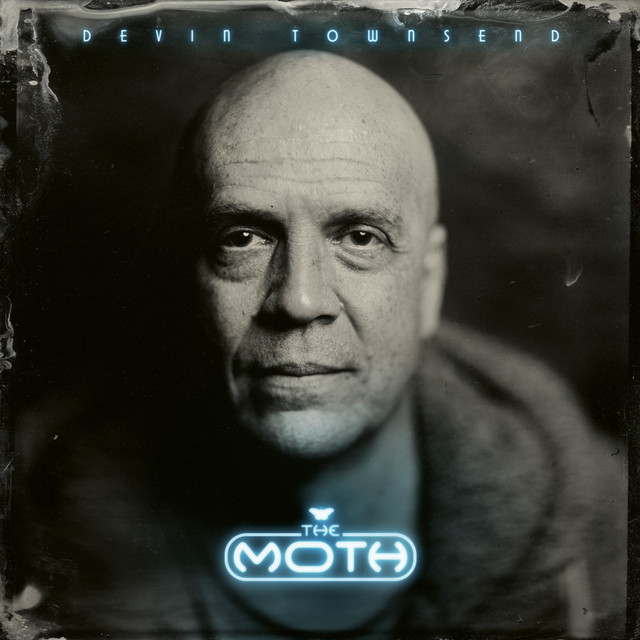
The sudden, loud chicken squawk that halts the staggering grandiosity of "Orion" is a sharp reminder that, despite the high-art framing of The Moth, Devin Townsend remains a beautifully eccentric disruptor. A decade in the making, this massive progressive rock opera represents a total role reversal for the artist with the help of the North Netherlands Orchestra and Choir. Rather than delivering a metal album dressed up with symphonic flair, Townsend writes as a "maniacal conductor," compositionally building a genuine classical narrative.
FABRICLIVE presents Eliza Rose (Mixed)
Zed Bias’s “Been Here Before” sets the tone: Eliza Rose opens with a crate-digger’s instinct, threading vocal garage, 2-step, bass-heavy house and rave flashbacks into a fluid 20-track excursion. AllMusic praises how the mix “seamlessly mixes Y2K-era UKG/2-step throwbacks” with newer selections, and that balance between archival warmth and present-tense club energy is its defining pleasure.
The Evil Divide (10th Anniversary)
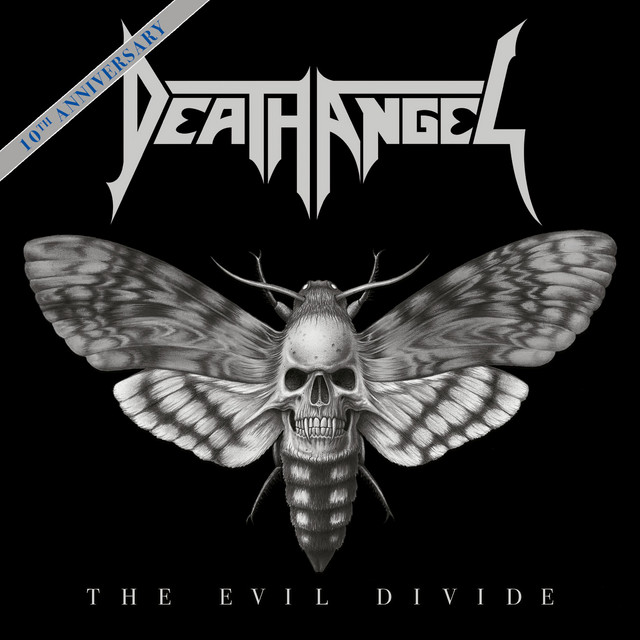
Death Angel’s eighth studio album has long been celebrated for avoiding the sluggishness of late-career nostalgia, standing instead as a cohesive showcase of modern, high-velocity thrum. The 10th-anniversary reissue of The Evil Divide highlights how gracefully the Daly City veterans balanced a "merciless sonic display of fully realized potential" with an agile grasp on melody.
Le sanglot
Thirty years into their tenure, Geneva's Impure Wilhelmina have made the radical decision to write and perform entirely in their native tongue. Le sanglot trades the sharp-edged, urgent metal of their past for a slower, more desolate disposition. The shift to French introduces a "somber weight" and "controlled gloom" to the band's catalog, altering how these meticulously textured arrangements "sit and breathe".
Emotion Factory Reset
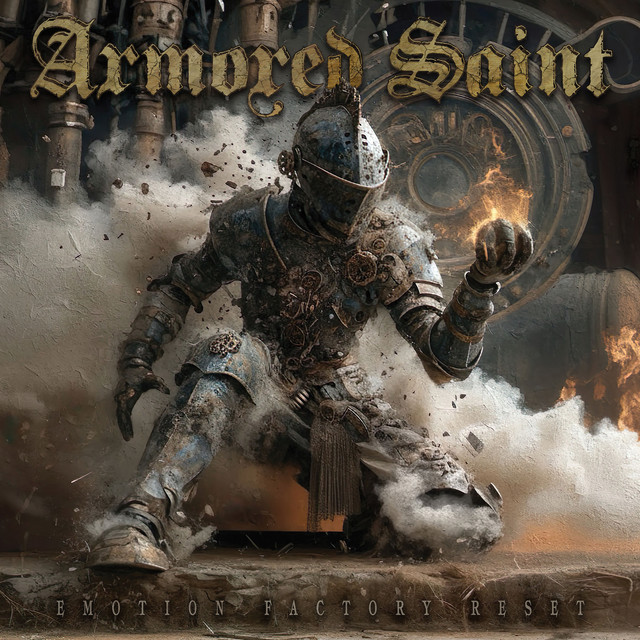
Four decades after their debut, the Los Angeles heavy metal quintet is still throwing down hungry, high-energy statements rather than coasting on nostalgia. Emotion Factory Reset delivers a remarkably sharp, organic focus, boasting what critics describe as "a murderer's row of fast, straightforward, ripping headbangers reminiscent of their earliest, armor-clad days".
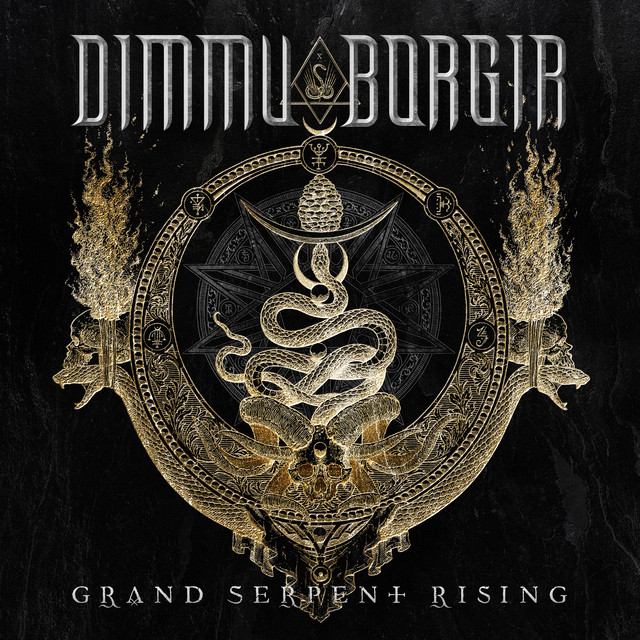
Grand Serpent Rising
A slow, dramatic buildup of morose orchestral strings and pouring rain introduces "Tridentium," signaling that Dimmu Borgir's penchant for the theatrical remains fully intact on Grand Serpent Rising. Eight years after the divisive Eonian, Shagrath and Silenoz return with a 70-minute comeback that dials back the orchestral extravagance. This 13-track record functions as a "partial reset", focusing on a "newfound earthiness" and ancient aggression.
From a Hole in the Floor to a Fountain of Youth
Archived basement tapes, VIP-exclusive tour singles, and long-lost demos replace the expected catalog singles on Future Islands' unorthodox 20th-anniversary retrospective. Critics welcome this release of marginalized recordings, framing it as a "thoughtful, honed retrospective" that reshapes their history into something more porous. By bypassing a standard career summary, the compilation rewards listeners with a "sense of discovery rather than consolidation".
Tree City Sessions 3
The old songs arrive louder, cleaner, and still one bad turn from collapse. On “Need Money,” “Doom & Gloom,” and “Powder To The People,” Dance Gavin Dance sharpen the band’s familiar collision of technical guitar, funk-leaning bass, abrupt pivots, and Jon Mess’s feral screams without sanding away its instability. Melodic Magazine calls the record “a powerhouse of an album,” praising its deep-cut-heavy tracklist and the way the performances feel “refreshed rather than copied.”
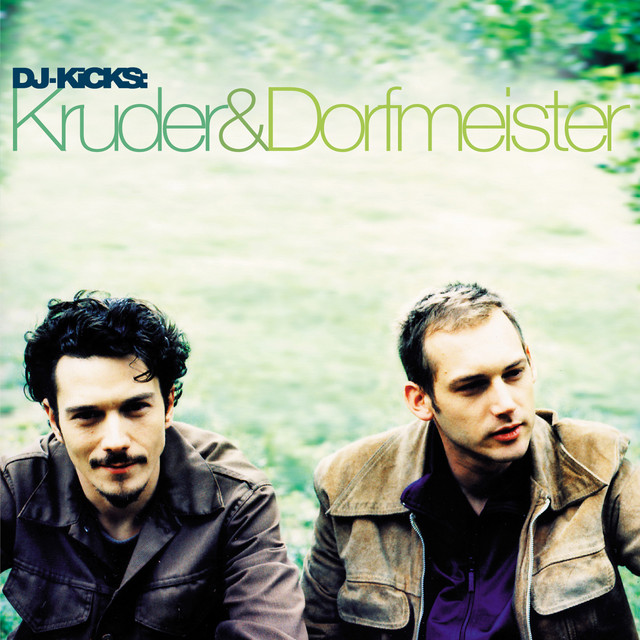
DJ-Kicks: Kruder & Dorfmeister (2026 Remaster)
Spanning three LPs remastered by Bernie Grundman, the 30th-anniversary reissue of Kruder & Dorfmeister’s DJ-Kicks preserves the warm analog tape hiss of the original 1996 session. For some, like John Bush of AllMusic, the set proved the Viennese duo "are better DJs than they are producers," highlighting how effortlessly they "cruise through jazzy drum'n'bass" and downbeats.
Of Earth & Wires
The weight of impending apocalypse hangs heavily over the latest transmission from Dua Saleh, yet the final result is unexpectedly tender rather than nihilistic. Drawing thematic inspiration from environmental grief and global conflict, Of Earth & Wires explores life after collapse, charting a course between digital anxiety and acoustic warmth. Critics trace a tense line through the record's ambitious scope, though some find the execution surprisingly restrained; as The Guardian observes, Saleh offers "glimpses of narrative over warm, earthy, all-too-brief tracks."
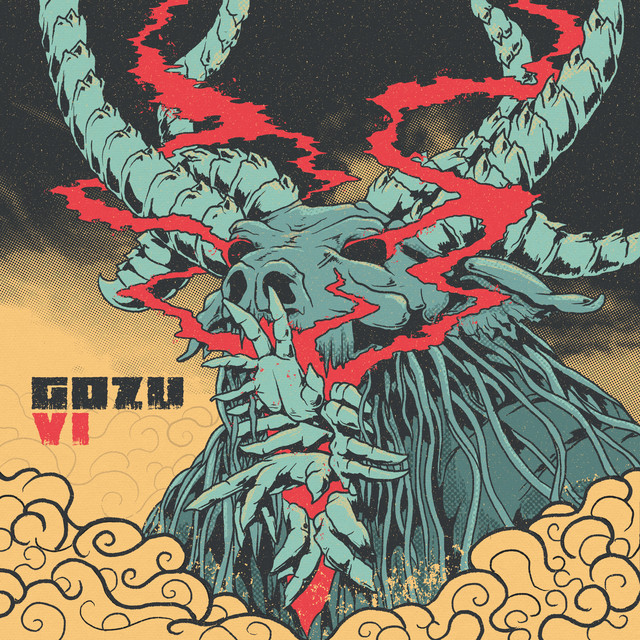
Gozu VI
A massive fuzz riff crashes out of the gate on opener “Corinthian Leatherface,” immediately framing Boston veterans Gozu as a band operating at the peak of their power. On Gozu VI, the quartet refines their stoner-metal formula with a raw vulnerability born from personal upheaval. Critics widely praise the record for leveraging this turbulence, resulting in a "deeply soulful and cathartic heavy rock record" that hits with genuine emotional weight rather than relying on standard, macho aggression.
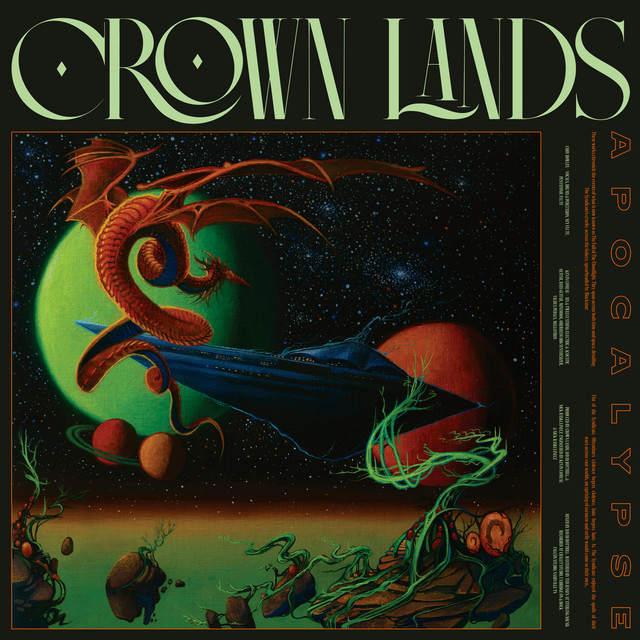
Apocalypse
Crown Lands have inverted the structural architecture of their previous work, hoarding their most sprawling ambitions for the absolute end of Apocalypse. Set a century before 2023’s Fearless, the duo’s latest chapter solidifies a sci-fi mythology while doubling down on pure 1970s progressive rock worship. Critics are sharply divided on this retro-futurist pivot, splitting between outright awe and sheer exhaustion regarding the record’s towering 19-minute finale.
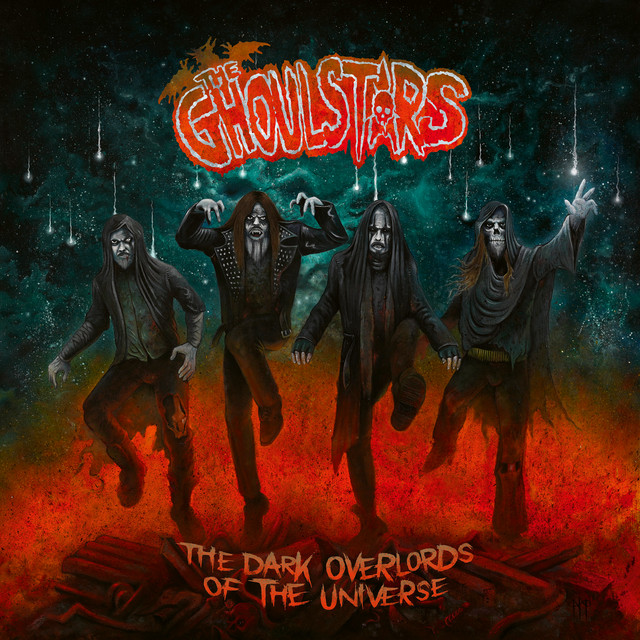
The Dark Overlords of the Universe
Clattering drums, heavy metal gallops, and campy B-movie audio samples define the debut album of Finnish horror punk supergroup The Ghoulstars. The Dark Overlords of the Universe acts as a vibrant tribute to '80s horror and heavy rock, leaning into retro aesthetics with a theatrical sincerity. Critics praise the band's ability to balance playfulness with technical aggression, delivering a record that feels like a nostalgic ride through classic creature features.
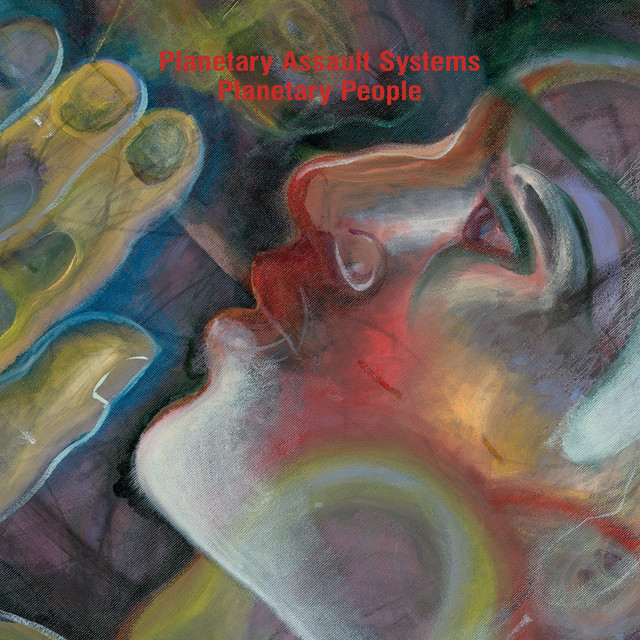
Planetary People
Luke Slater’s latest deployment as Planetary Assault Systems trades the melodic expansions of his recent work for raw, physical pressure. Arriving a decade after his last LP on Ostgut Ton, Planetary People strips back lingering atmospherics to focus entirely on immediate, high-tension club functionality compiled from his live improvisations.
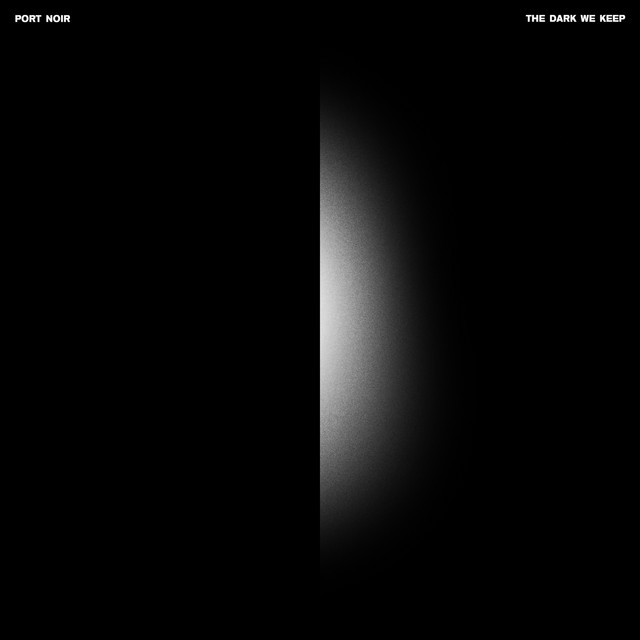
The Dark We Keep
Four years after slipping under the radar, Stockholm trio Port Noir abandons lingering minimalism for maximalist progressive metal on The Dark We Keep. It is an intensely dense record bridging heavy alternative guitar drops with trip-hop percussion. Critics quickly note a shift toward the theatrical pop-metal lane occupied by VOLA and Sleep Token, though consensus splits on the outcome. While Front of the Stage highlights the album's structural patience, praising how the band "pays off a slow, patient build with something that earns the word 'pulverizing,'" The Progressive Subway counters that capitulating to a "pop-djent fad neuters anything that made Port Noir interesting in the first place."
Phosphor
A high-profile leap to Nuclear Blast has noticeably escalated the stakes for German quartet The Narrator, who respond on their sophomore album with clinical aggression. Opening with the blistering title track, the record wastes no time hunting for arena-sized catharsis. It is a highly optimized, relentless effort, balancing pit-friendly chugs with towering, melodic clean choruses engineered for European festival fields.
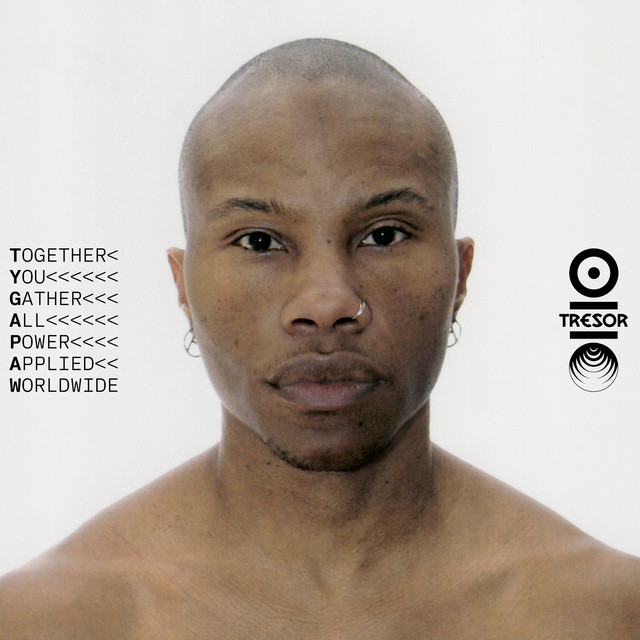
Together You Gather All Power Applied Worldwide
Monologues from writer Precious Okoyomon and artist Juliana Huxtable slice through a barrage of relentless kick drums on TYGAPAW's third LP. Conceived during the first year of the Brooklyn producer’s transition, the album confronts systemic violence with uncompromising, industrial-strength velocity.
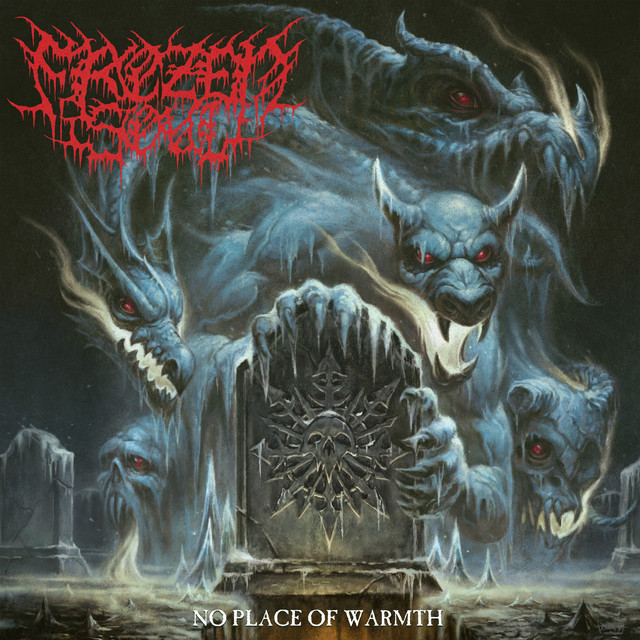
No Place of Warmth
The inclusion of My Chemical Romance's Gerard Way on a purebred death metal record might seem like a gimmick, but it perfectly sums up the crossover ambition of Frozen Soul's third LP. No Place of Warmth doubles down on the Texas quintet's obsession with mid-tempo beatdowns, dropping the atmospheric restraint of their past work for a blunt, hardcore-inflected approach. As Kerrang! notes, the band harnesses an "avalanche of frosty fury," delivering unapologetically muscular instrumentals that prioritize pit-moving physical energy over complex songwriting.
Train on the Island
Four years after Warm Chris, Aldous Harding introduces her fifth album with a lone piano arpeggio and the wry admission that she has "been away too long". Train on the Island plunges back into the New Zealand songwriter's distinct minimalism, maintaining her penchant for theatrical vocal shifts and sparse, unpredictable arrangements,. Yet instead of holding the listener at arm's length, the record fosters a striking intimacy, arriving as what Paste calls "a minimalist, open-hearted jaunt through the twisty-turny annals of Harding's incomprehensible brain".
Practice What You Preach (Remastered 2026)
Testament’s transition away from occult and gothic imagery toward earthly crises is immediately palpable on Practice What You Preach. Rather than the blowtorch aggression of their earlier sessions, the Bay Area thrash veterans shifted their gaze to societal rot, placing "more emphasis on subjects like freedom of choice, political corruption, hypocrisy, and the effects of greed and avarice". To back this lyrical pivot, the band leaned into progressive, mid-tempo arrangements on tracks like the title cut and "Sins of Omission," "balancing deep-heat intensity with more subtle moments" that favored hook-driven hooks over sheer velocity.
Gone with the Devil
The third album from Jim Mutilator’s Greek black metal outfit plunges into theatrical grandeur right from its opening notes. Harnessing classic heavy metal songcraft alongside folk cadences and operatic choirs, Gone with the Devil positions itself as a "potent amalgamation of the prior two records' strengths". Critics note that the band steps beyond its underground roots to deliver a more accessible, "romantic reimagining of Hellenic black metal" that balances aggression with triumphant, hook-driven choruses.
Lavender Networks
Angel Marcloid’s debut for Warp Records treats genre boundaries less like structural walls and more like overlapping browser tabs. On Lavender Networks, she folds over a decade of underground experience—spanning aughts screamo, hyperpop, and vaporwave—into a maximalist collage that entirely ignores traditional pacing. Throat-shredding sequences collide with pristine, flute-like electronics; aggressive blast beats yield abruptly to smooth saxophone riffs and meditative organ drones.
Denigration
For a band that built its name on pushing the boundaries of extreme metal, Ingested has abruptly pulled the ripcord on experimentation. Following the atmospheric concessions of their last few records, Denigration actively strips away the frills. Facing sudden lineup chaos just before release—which forced guitarists Sean Hynes and Andrew Virrueta to furiously rerecord all lead vocals—the Manchester crew channeled that friction into pure, bludgeoning punishment.
Croz Boyce
For an instrumental project conceived by swapping files across state lines, Dave Portner and Brian Weitz's first outing as Croz Boyce sounds remarkably conversational. The debut builds from the acoustic roots the pair (better known as Animal Collective’s Avey Tare and Geologist) laid down for a 2022 compilation, expanding into a set of fragmented, wordless psych-folk meditations. It is a record that, in the words of PopMatters, finds the pair "pulling things apart and seeing what remains", trading the maximalist density of their main band for something decidedly bare and exposed.
Cruel Face Of War
On their twelfth studio effort, Jungle Rot's battering-ram mechanics remain stubbornly immune to the temptations of modern abstraction. Cruel Face of War finds the Wisconsin veterans digging their heels further into the stripped-down, mid-tempo devastation that has defined their catalog since the mid-nineties. The album leans heavily on what critics call "slow stomp melodies" and "bruising riffage," delivering a straightforward hybrid of old-school death metal and crust punk.
Detached From The Rest Of You
Loraine James steps away from the shadows on her sixth LP, deliberately pushing her fragile vocals to the forefront of a sparse, glitch-heavy architecture. Conceived as a pivot toward left-field pop, Detached From The Rest Of You confronts imposter syndrome and emotional paralysis with unexpected lightness. Critics note that while the London producer strips her electronic framework down to a minimalist skeleton of clicks and microbeats, the emotional center remains startlingly direct.
Tremor (Deluxe Edition)
Six albums in, and Daniel Avery has stopped hedging. Where earlier records balanced floor-facing momentum against introspective detours, Tremor — and by extension this expanded Deluxe Edition — commits to the dark and stays there. Clash's Lee Wakefield noted that "flickering moments of sunlight" exist throughout, but that "Avery and his collaborators are quick to grab us and plunge us back into the blackness." That gravitational pull is the record's defining quality. AllMusic identified "a singular form of distortion-doused electronic rock which dwells in a nocturnal landscape," and the production choices bear that out: Alan Moulder's fingerprints are audible in the way distortion is applied as texture rather than aggression, and the collaborators — Alison Mosshart, bdrmm, Julie Dawson, yuné pinku — read less as features than as pressure systems passing through the same charged atmosphere.
Sol.Hz
Fifteen years is a long gap, but Sol.Hz doesn't announce its return — it simply resumes. One print critic finds the album "skeletal, with saffron threads of treated guitar slicing through piston-pulse rhythms and reverberant bass," and the description earns its precision: Mark Clifford strips the arrangements to load-bearing elements, letting dub's physics do the structural work. OndaRock positions "the dub-inflected percussive core" as the album's genuine protagonist, noting how subterranean basslines emerge from what reads as "high-pressure ambient music" once heard on a proper system.
Poem 1
Ana Roxanne strips away the lingering mists of her earlier recordings on Poem 1, bringing her vocals out from the background and pushing them into the bright open air. Writing in the wake of transformative heartbreak, she largely eschews drifting drones for piano, strings, and structured songwriting.
Dissenter
The clattering opening sequence of "Cycles" signals Haste the Day's return after an eleven-year hiatus, establishing Dissenter as a dense, conceptual effort rather than a safe reunion play. Instead of retreading past triumphs, the band presents a "spiritual molting, or a soul stepping out of old skins", trading standard metalcore aggression for a weary, introspective narrative of personal and societal decay.
MAITREYA CORSO
A buzzy guitar line opens into questions about wanting, identity, and self-invention, and MAITREYA CORSO keeps worrying those questions from different angles. Pitchfork calls it a “hybrid folk/pop record” shaped by “overzealous ambition and crushing self-doubt,” a fitting description of an album that moves between bright-eyed melodic writing and breathless inner monologue. Hawke’s voice remains central: when the arrangements tighten, her “thrown high notes are a gasp, thin and vulnerable.”
Beyond The Will Of Mortals
Volcandra's third album swaps the icy reserve of standard melodic black metal for a hyperactive, multi-genre blueprint. Nicholas Senior of New Noise Magazine notes this chaotic energy in tracks like "Within the Webs," which "feels like going insane while on a black metal carnival ride," highlighting how the Kentucky quintet "almost always lead with melody and harmony above all".
Next to Die
Six Feet Under’s fifteenth album divides its runtime between blunt, fast-paced thrashing and the slower stoner-fused tempos of their early-career groove. Under the co-production of frontman Chris Barnes and guitarist Jack Owen, the record attempts to course-correct the Florida veterans’ heavily maligned trajectory. Heavy, mid-tempo chugs and B-movie splatter lyrics dominate, evoking a muddy swamp aesthetic that oscillates between nostalgic comfort and tiring repetition.
Singing
After a long stretch of releasing exquisite instrumental records due to a debilitating vocal injury, Gia Margaret is finally using words again. Singing acts as a bridge between her early indie-folk and the textural experiments that defined her recent work, marking a profound reconnection with her own physical instrument.
Vox Occulta (feat. The Norwegian Radio Orchestra)
For Vox Occulta, Einar Solberg eschews the standard templates of heavy-rock orchestral metal by positioning the Norwegian Radio Orchestra at the core of his songwriting. Rather than utilizing classical arrangements as superficial decoration, Solberg designs the album's foundations around the symphony. Critics note that the surrounding rock instruments are seamlessly "subsumed into the orchestral forest rather than standing in their own clearing" to foster a massive, widescreen aesthetic.
The Ghost of a Future Dead
The posthumous vocal tracks of the late Tomas Lindberg were captured in a single-day sprint before oral surgery, lending The Ghost of a Future Dead an inescapable gravity. Critics view this eighth chapter as a major rebound, with Kerrang! praising the record as "a canny revisitation of their signature blend of fist-pumping fury". Abandoning the loose experimentation of their prior release, the classic lineup strips the songwriting back to a direct, blistering attack that thrives on raw momentum.
Shadow Work / Light Work
Divided symmetrically into six dark and six light tracks, Holy Wars’ sophomore record confronts the raw aftermath of personal tragedy with a deliberate split structure. Rather than leaning on superficial mental health tropes, the Los Angeles outfit pairs abrasive heavy-rock dynamics with pop-inflected hooks to chart vocalist Kat Leon's hard-won recovery.
1983
Twenty years before this glossy Brainfeeder reissue, Steven Ellison recorded his debut in his grandmother’s bedroom. 1983 captures the producer right before his ascent into the maximalist jazz-fusion epics that would soon define his career, presenting a raw artist still anchoring himself in the Los Angeles beat scene.
On the Promise of the Moon
Reeking Aura’s sophomore effort On the Promise of the Moon rejects the simplistic brute force typical of the modern old-school death metal revival. Fronted by vocalist Will Smith, the New York and New Jersey supergroup pairs their guttural East Coast heft with unexpected Swedish melodeath sensibilities and progressive textures.
Dissimulation
Abandoning the relentless mosh velocity of their early emoviolence days, Richmond sextet.gif from god pivot toward a more deliberate and expansively metallic framework. The band trades some of their breathless speed for "shifting moods and dynamics" that showcase their formidable command of tension. The resulting fifteen tracks yield what critics deem their "most varied release to date", introducing unexpected textures like acoustic piano, melodic choruses, and atmospheric ambient pauses.
The Dead Ones
The Last Ten Seconds of Life tune down to Drop F on The Dead Ones, churning out a deliberate, low-and-slow strain of deathcore. Rather than bombarding listeners with the symphonic excess currently driving the genre, the Pennsylvania quartet lean heavily into the nu-metal grooves that have always structured their sound.
Sceaduhelm
On their thirteenth album Sceaduhelm, British dark-rock collective Crippled Black Phoenix trade their typically massive historical narratives for a bleak, inward-looking study of burnout and exhaustion. Much of this psychological shift is mirrored in the songwriting, which ditches explosive payoffs for "slow builds and manufactured tension" that focus intensely on restraint. Across the record's 66-minute runtime, the band's three vocalists—Belinda Kordic, Ryan Patterson, and Justin Storms—collaboratively construct a world where, as Sun-13 notes, "there's an acceptance that we've hit rock bottom".
Andros Insidium
Leila Abdul-Rauf’s Andros Insidium trades the typical death metal roar of her work in Vastum for a stark arena of low-register tones and sparse, ritualistic percussion. Critics identified this 20 Buck Spin solo debut as an "amalgamation of non-metal-based music that metal listeners usually like", steering clear of heavy amplification to find immense weight in quiet tension.
This Will Make You Feel Again
The Arkansas quartet LEVELS open their sophomore album, This Will Make You Feel Again, with the throbbing industrial thrum of "Blue Heaven," immediately signaling their merger of metalcore and electronics. Writers have warmly received this pivot, characterizing the band as a "relentless crushing machine" designed to subvert genre expectations. Much of the appeal rests in their refusal to settle on a single tempo, choosing to synthesize heavy riffs with slick club grooves.
DID YOU ASK TO BE SET FREE?
Vocalist Charlie Rolfe lets out a shuddering breath five minutes into "DID YOU ASK TO BE SET FREE?", an album forged in the sudden grief of losing drummer Jamie Gowers. Instead of folding under tragedy, the remaining quartet has crafted what Kerrang! describes as a "blunt-force purging of emotion" that leans heavily on "vivid rawness" and "emotive vocal performances".
Heaven Wept
Inferi’s seventh album immediately unleashes a storm of blast beats and shifting time signatures, solidifying their reputation as titans of technical death metal. Following several high-profile lineup changes, the Nashville outfit returns with five years of pent-up energy, operating at "twenty-five out of ten on the adrenaline and RPM meter." Guitarists Malcolm Pugh and Sanjay Kumar trade lightning-fast leads that balance "straight shredding" with highly deliberate, neoclassical counterpoint.
Kammerkonzert
The title announces the terms of engagement: a "chamber concert" from the man who spent the late 1990s atomizing drum machines at impossible BPMs. On Kammerkonzert, Tom Jenkinson commits fully to orchestral writing and jazz fusion, electronics receding in favour of ensemble composition. The Quietus greeted the pivot as "an absolutely flagrant showcase for his ear and skill for composition, jazz and harmony, all while completely subverting any rules of these devices."
Descent
Robert Vigna’s characteristically crooked, discordant guitar work strikes with immediate friction on the opening tracks of Descent. Decades into their career, the New York death metal institution sidesteps reinvention to deliver a tightened, "more direct, universally aggressive record" than its expansive predecessor. The consensus highlights a band operating with a lean efficiency; while critics note this twelfth outing "adds little, if anything, to the sound now synonymous with Immolation", the execution remains devastatingly precise.
A Derby Spiritual
A persistent amplifier buzz beneath quiet pump-organ chords exposes the bare, rickety architecture of A Derby Spiritual. Drawing on a lineage of deliberately paced sadcore, the Virginia septet pulls back from traditional roots music to construct what The Independent recognizes as a "tentative, decidedly sober exercise in melancholy." Rather than leaning into the inherent liveliness of their fiddle, accordion, and mandolin, the band wrings a sluggish energy from the instrumentation, resulting in performances that feel "precariously perched on the edge of collapse."
Infinite Illumination
Surprise-released alongside the bittersweet news that it would serve as the band's final chapter, Infinite Illumination sees mastermind Nate Garrett steering his project back to the glacial, heavyweight doom that defined its early days.
In Death Throes
Riffs on the opening track "Rapture in Rupture" descend with immediate, bone-shattering force, signaling that Vomitory’s tenth album, In Death Throes, has no interest in easing listeners in. Following their 2023 resurgence, the Swedish veterans deliver a "finely balanced blend of European precision and American brutality" that refuses to let up. Under the guidance of new lead guitarist Christian Fredriksson, the band trades in "no frills grindcore-tinged death metal" that is as vicious as it is tight.
Original Lo-Fi
The hiss of old samplers and spring reverb gives Original Lo-Fi its charge: these are dub experiments that feel discovered rather than engineered. Recovering sessions from Rockers Hi-Fi’s mid-’90s Birmingham period, the album moves through spacious delays, blunt bass pressure, acid-house traces, and loose, dancefloor-minded rhythms. Dubblog praises the absence of “highly polished studio work” and “calculated arrangements,” hearing instead the productive roughness of musicians inventing their language in real time.
BODY SOUND
Three stalwarts of Chicago's experimental music scene—Whitney Johnson, Lia Kohl, and Macie Stewart—arrive at an inevitable convergence on BODY SOUND. Having crossed paths in various configurations over the years, the trio grounds their debut in heavy physical resonance, weaving viola, cello, violin, and voice into a dense electroacoustic fabric.
In A Space Outta Dub
Twenty years after its original release, Nightmares On Wax’s 2006 downtempo benchmark In A Space Outta Sound has been entirely disassembled and reconstructed by UK dub pioneer Adrian Sherwood. Rather than dispensing standard remixes, Sherwood treats In A Space Outta Dub as an exercise in foundational rebuilding. As noted by BrooklynVegan, the producer "rebuilds them from the ground up, bringing in his stable of On-U Sound all-stars to play on them."
A Dark Poem, Part II: Sanguis
Toothy riffs and retro-sounding organ chords collide on the opening title track, signaling a sharper, more confrontational turn for Green Carnation’s progressive metal. Critics widely praise the Norwegian band for trading their usual grandiose atmosphere for a record that feels "uncomfortably, almost suffocatingly personal" in its lyrical confrontation of trauma and toxic relationships.
VOLUMES: ONE (SELECTIONS FROM MUSIC CONCERTS 2019-2023 BON IVER 6 PIECE BAND)
It is revealing that an archival series modeled on the bootleg traditions of Bob Dylan opens not with acoustic demos, but with a meticulously mixed live document. Justin Vernon designed VOLUMES: ONE as the definitive introduction to his project's modern era. By leaning into crisp engineering, the collection strips away the atmospheric fog of their studio LPs to expose the raw interplay of a unified six-piece band.
Distracted
Stephen Bruner’s six-year absence hasn't dulled his penchant for combining dizzying fusion with existential dread. On Distracted, the virtuosic bassist tackles modern hyper-connectivity, tempering his chaotic post-genre stylings into a surprisingly cohesive sequence. The album channels heartbreak through a glossy blend of yacht rock, psych-soul, and cosmic R&B, finding spaces where grief and punchlines intersect.
Good God / Baad Man
A rolling train horn dissolves into Eastern scales before giving way to the massive hammer of the riff, immediately signaling that Corrosion of Conformity are back to their heaviest, dirtiest tricks. On Good God / Baad Man, the North Carolina titans deliver an hour-plus double LP that critics are hailing as a "twenty-ton aural behemoth". Bolstered by the addition of powerhouse drummer Stanton Moore, who plays like a "rolling, jazzed-up John Bonham," the band seamlessly bridges the historical gap between hardcore punk rage and swampy, doom-laden boogie.
Creature of Habit
The craving for safe domestic routine clashes against the restless urge to start over, pulling across songs that balance protective stasis against the risk of displacement. That friction dictates the sound: rather than leaning on abrasive, high-gain fuzz, the arrangements settle into airy mid-tempo pockets, anchoring Barnett's conversational cadences with muscular rhythm sections and tactile restraint.
Fly the Ocean in a Silver Plane
Children’s muffled voices and the gentle chirping of crickets open Mark Nelson’s tenth solo album under the Pan-American moniker. Fly the Ocean in a Silver Plane translates memories of family, transition, and aging into a quiet travelogue. Critics find the record to be a "graceful and restrained venture" that charts both literal and metaphorical journeys through subtle, slow-drifting acoustic-ambient melodies.
Planned Obsolescence
Eerie synthesizer swells and low-tuned, chugging polyrhythms anchor Only Human's debut, a conceptual strike against the encroachment of AI. This ambitious focus on "techno-pessimism" divides opinions, though many praise the band’s songwriting density. New Noise commends how they bridge "two recent prog micro-genres (post-Tool and post-Periphery/TesseracT) with a clear love of various electronic styles," creating a record that "actually sounds like it was designed to last."
Ö
The 83 on Metacritic signals broad approval, but the debate around Ö is more interesting than the aggregate. Shannon Wise and Jackson Lewis deliver percussion-heavy New York club music that critics have found difficult to resist, even when they're trying. Beats Per Minute puts the tension plainly: the record is "often exhilarating, at times frustrating, and occasionally underwhelming" — an honest accounting of an album that runs hotter on instinct than craft, and knows it.
Press Start
Chipping arcade-game synths and heavy robotic distortion open Samurai Pizza Cats’ sophomore album, Press Start. The German electronicore outfit commits fully to "unbeatable unseriousness", turning absurdist internet culture, ramen, and pizza obsession into a barrage of heavy-duty breakdowns, pop-punk drum fills, and EDM hooks. It’s a relentless, polished onslaught that leans hard into the playfulness of its own conceit, pairing massive pop choruses with devastating growls.
Coronach
Keyboard fanfares, gothic piano intros, and distant bagpipes seep into the margins of James McBain’s fourth album under the Hellripper moniker. Titled after a traditional Highland funeral lament, Coronach finds the Scottish multi-instrumentalist leaning into national folklore while widening his black-thrash parameters. Critics agree this newfound experimental ambition elevates the record, with Kerrang! hailing its "scything magnificence both ancient and timeless" and noting that "high production values and dynamic songwriting" successfully pull the project "out of the sonic dungeons."
Subjected To A Partying
Opening with a Shane Gillis comedy sample before dropping into a breakdown that "sounds like dogs barking," Party Cannon’s Subjected To A Partying is built on a proud refusal to grow up. Critics widely embrace the Scottish five-piece as, in the words of Decibel, "the U.K.'s defenders of dumb," delivering a half-hour of cartoonish violence and "absolute silliness". This EP introduces new vocalist Daryl Boyce and explicitly breaks the band's aesthetic down to its core components—slam, goregrind, early 2000s brutal death metal, and New York death metal.
death fetish
On death fetish, Moodring frontman Hunter Young processes the heavy toll of a chronic neuro-immune diagnosis, replacing the dreamier textures of their debut with severe, industrialized alt-metal. Critics agree that this shift yields a "violent, cold and visceral" experience. By "stripping out most of the remaining gaze elements" in favor of clanking snares, punishing bass lines, and "churning, roiling tones", the LP captures the raw friction of a failing body trying to maintain its creative output.
DJ-Kicks: Sofia Kourtesis
The transition from Jon Hopkins’ chiming temple bells into the warm pulse of Aphex Twin’s "Flim" establishes a performance that is both cinematic and deeply intimate. Compiled during a period of profound family grief, Sofia Kourtesis’s installment in the long-running DJ-Kicks series focuses less on typical club display and more on taking listeners on a narrative journey. Critics commend her ability to splendidly celebrate her Peruvian roots alongside Berlin’s club culture.
Extra Stars
On Extra Stars, Gregory Uhlmann largely sidelines traditional percussion, opting instead to let his guitar blur into a wash of synths, recorders, and muted piano. The Los Angeles-based multi-instrumentalist—known for his sideman work with Perfume Genius and Hand Habits—treats his International Anthem solo debut not as a showcase for fretboard acrobatics, but as an exercise in quiet restraint and patient layering.
fabric presents Red Axes (Mixed)
Tel Aviv duo Red Axes carve out a distinct space in the lineage of London’s iconic club mix series, choosing to fold post-punk and new wave oddments directly into their techno-driven selections. Rather than chasing cheap peak-time climaxes, this set acts as a "nocturnal travelogue through the stranger provinces of club music," leaning heavily on eccentric textures and patient momentum.
Loss
Masked and anonymous, Portuguese collective Gaerea discard the template of their past records to embrace pop hooks, clean singing, and stadium-sized choruses. On Loss, the band's blistering blackened roots undergo a dramatic transformation, leading critics to note how they "veer far into melodic metalcore territory". Rather than suffocating in underground obscurity, the group "pulls off the neat trick of being ultra heavy, yet supremely melodic", crafting a style that trades raw despair for soaring, cinematic catharsis.
Peace In Place
Ominous feedback and quiet vocals on "Wax Mask" immediately splinter into the familiar, jagged intensity that Poison the Well pioneered decades ago. Rather than desperately chasing contemporary trends, the metalcore veterans return sounding "older, angrier, and more grounded" on their first album in seventeen years.
Hinterlands
Olive Ardizoni and Michael Flanagan build tiny botanical dioramas out of synthesized flora and acoustic instrumentation, designing environments that reward the microscopic gaze. On Hinterlands, their Ghostly International debut, the duo abandons the strictly ambient constraints of their earlier plant-focused vignettes to let their compositions stretch into a wider pastoral territory. Critics note an increasingly active motion in the arrangements; Ban Ban Ton Ton observes how the project mixes "picking and strumming with playful woodwind whistling" to evoke the rhythmic pop-folk counterpoint of the Penguin Cafe Orchestra.
Liminal Shrines
The Toronto quartet’s sophomore LP eschews the typical low-end murk of abyss-dwelling death metal for a surprisingly bright, celestial focus on elaborate progressive structures. Rejecting predictable genre tropes, the band offsets heavy tempos with highly agile, soaring guitar solos and dynamic shifts.
It Echoes In The Wild
Guitars warp and morph without ever settling into traditional riffs on “Voice on the West Wind” as Vancouver’s Egregore unleash an unstable, shape-shifting fusion of black, death, and speed metal. This sophomore effort highlights the Canadian trio’s evolutionary leap, delivering what critics celebrate as the "live-wire blood and sinew of its wildness." Far from a straightforward retro throwback, the record channels a frantic, cosmic energy that constantly threatens to spiral out of control.
Tragedy of The Commons (Reconstructed)
Riff-heavy chugs and jagged, industrial-tinged static form the abrasive backbone of Great American Ghost’s expanded record. Originally a showcase for their New England hardcore roots, this digital deluxe edition emphasizes a musical evolution where the Boston-formed outfit leans into a broader sound. Critics found the band successfully pushing past standard metalcore boundaries, seamlessly blending their "loose-limbed hardcore dynamism" with "death metal stopping-power".
Hugrheim
French duo Eihwar’s sophomore effort ramps up the thumping club energy, pairing tagelharpa and shamanic chants with modern dance beats. Writers note that Hugrheim leans more heavily into electronic structures than its predecessor, shifting what was once a raw ritual into a "writhing mass of chaos" that has "been very carefully and skillfully crafted from the ground up." This pivot from primal folk to "EDM-type beats" shapes an album that feels as much at home in a sweat-drenched rave as a forest bonfire.
Screams from Beneath the Surface
Opening with the galloping triplets of 'Banished to the Skies,' Florida death metal veterans Monstrosity return after a seven-year studio silence to assert their space in a vastly changed extreme music ecosystem.
You’re Free to Go
The love songs on You're Free to Go were written "with one foot already out the door" — Anjimile meaning every declaration but stopping mid-sentence to ask whether it's wanted. That held breath defines the record. Brad Cook's production (assembled with Matt McCaughan, Nathan Stocker, Sam Beam, and Libby Rodenbough) keeps things spare enough that the hesitations register: fingerpicked guitars, violin curling in at the edges, percussion that earns its moments rather than filling space.
Transmitter
Max Clarke swaps his usual vintage reverb for a dry, live-in-the-room fidelity on Transmitter, his fourth outing as Cut Worms. Produced alongside Jeff Tweedy at Wilco’s Loft studio, the album strips away the project's ornate, Brill Building lacquer in favor of a cleaner, guitar-driven pop that leaves Clarke’s weary observations exposed. Many critics welcome this starker frame, with Northern Transmissions noting that the dry mix is "better suited to the modern dread seeping into the margins of these songs."
A Mind Too Sick To Heal
Uneven, lumbering riffs and jagged tempo shifts define the brutalist architecture of A Mind Too Sick To Heal. Transitioning away from their tech-focused deathcore roots, the Surrey outfit delivers an "unsettling craft and atmosphere" that trades progressive complexity for suffocating weight. Critics describe the onslaught as "stupidly heavy deathcore that’s completely knotted up in breakdowns, like it’s suffering from cramp-inducing seizures", relieved only by brief, tension-building instrumental deviations.
Lost Not Forgotten Archives: Live In Tokyo, 2010
Recorded at the 2010 Summer Sonic Festival in Japan, this installment of Dream Theater's archival project captures founding drummer Mike Portnoy’s final performance before his decade-long departure. Rather than attempting a sweeping career retrospective, the performance acts as a highly focused "time capsule" of the band's heavier, metal-leaning phase.
Hell Is A State Of Mind
Finnish metallers Lost Society have swapped their traditional thrash roots for dramatic, film-score orchestrations, recruiting the 40-piece Babelsberg Film Orchestra to elevate their latest release. The resulting record is a polarizing, high-stakes pivot. For some, the sudden shifts between symphonic arrangements, rap-cadence vocals, and nu-metal riffs feel like a "veritable Frankenstein's monster in sonic form" where the execution lacks "finesse." Others, however, champion this unpredictability as a thrilling, volatile ride, describing the experience as "utterly bonkers" but brilliant.
DJs Di Guetto II
Gathered from unreleased FruityLoops hard drives dating back to 2007, the second volume of archival tracks from Lisbon collective DJs Di Guetto captures the raw, formative days of the city's batida movement. Where their 2023 predecessor compiled highlights from their seminal self-released debut, this installment operates as an essential piece of historical excavation. Yet despite representing the foundational stages of pioneers like DJ Marfox and DJ Nervoso, critics register a legacy that remains remarkably forward-facing.
Transcend into Oblivion
Mournful violins, acoustic interludes, and brief operatic gestures cut through the blistering black metal on Necrofier’s third full-length release. Departing from the serviceable black-death tropes of their previous offerings, the Houston quartet leans into a theatrical, three-act concept album dealing with spiritual awakening and Luciferian rebirth. Critics agree that this shift elevates them, with Toilet ov Hell writing that "this might be the album where they transcend the hordes and rise above the oblivion of an oversaturated market."
Royal Discordance
A dystopian alternate-reality Australia serves as the battleground for the high-wire conceptual metalcore of Royal Discordance. Critics have warmly embraced this ambitious, multi-tiered narrative, noting that the band successfully bridges the gap between chaotic aggression—anchored by "guitars the size of mountains"—and grand theatricality. The ensemble delivers an experience that is both "vividly dramatic" and "emotionally volatile" rather than relying on formulaic genre tropes.
The Mirror
Opener "Gasoline" "hints heavily at Neutral Milk Hotel," and that gravitational pull toward beloved American folk antecedents runs through much of The Mirror, Buck Meek's fourth solo record. Where his Big Thief work operates at the center of a band's electric charge, here he moves firmly inward — framing love songs "through his subject's unfamiliarity." Beats Per Minute finds that Meek "outlines the sharp edges of love and how it forces one to reconcile with the self," and the range of critical response bears that reading out: Far Out Magazine calls it "an album of confrontation," while The Fire Note hears "a warm, lived-in record that finds Buck Meek sharpening his songwriter's eye."
Héréditaire
Unverkalt’s transition to the Season of Mist roster coincides with a drastic plunge into blackened post-metal territory, trading some of their previous reserve for sudden blast beats and abrasive textures. Much of this tonal evolution rests on vocalist Dimitra Kalavrezou, whose performance is widely praised as the "gravitational center" of a record that constantly pits harsh aggression against fragile introspection. Critics note that her shifts "from air-splitting shrieks to delicate melodies" dictate the album's volatile, back-and-forth momentum.
Overspace & Supertime
An ominous cloud of panning distortion opens Overspace & Supertime, launching a mammoth five-track sci-fi epic that pushes technical death metal to its physical limits. Returning after six years, the Leeds quartet delivers a colossal release that operates as "a monolith of astral death/thrash", setting historic tech-death templates against unpredictable, jazz-fusion-inflected detours.
The Great Satan
The unexpected return of longtime guitarist Mike Riggs and bassist Blasko immediately resets Rob Zombie’s eighth studio outing back to his turn-of-the-millennium heyday. Rather than sticking to the sprawling, acid-washed wanderings of his recent catalog, The Great Satan sharpens its claws with a streamlined, aggressive industrial-metal focus.
L.I.F.T.
The Neal Morse Band's fifth outing, L.I.F.T., was written and recorded in a brief alignment of schedules following drummer Mike Portnoy's high-profile return to Dream Theater. Built around a spiritual quest for belonging, the concept album scales back the sprawling length of the band’s previous double-LP behemoths, a structural choice critics suggest "makes the new album far easier to digest". Rich Mouser's clear engineering successfully balances a whirlwind of dueling keyboard-and-guitar attacks, string orchestrations, and gospel choir textures.
Kinds
Kwesi Sey’s first solo album in eight years was catalyzed by his daughter spilling water over a drawing and immediately starting a new one. That brief flash of frustration yielding to a serene reset forms the conceptual bedrock of Kinds, a 29-minute collection of beatless, color-coded ambient compositions.
The New Flesh
Sylosis strip back the labyrinthine layers on The New Flesh, delivering their seventh album with a blistering, direct attack that prioritizes raw momentum over technical excess. By taking "the path less technical," frontman Josh Middleton and his revamped lineup embrace a straightforward brutality built for the mosh pit. While their previous work leaned heavily on modern, melodic metalcore, here the band taps into late-'90s-inspired groove metal and classic thrash, yielding a sound that feels "snorting and angry".
Hors Temps
Philippe Boucher’s relentless blast beats and razor-sharp tremolo picking set a grueling, breakneck pace from the outset of the Quebecois duo’s fifth album. Critics have warmly received Hors Temps as a "satisfyingly melancholic crystallization of their sound" that expertly fuses the icy momentum of second-wave black metal with modern, technical instincts.
Carving the Causeway to the Otherworld
Gaelic columns and ancient druidic storms frame Coscradh's sophomore record, a blinding tempest of blackened death metal. Landing on 20 Buck Spin, the Dublin quartet conjures a "malign force which once again escapes the feral limitations of bestial death metal" by marrying technical precision with unrestrained ferocity. From the tense buildup of the album's intro, the group's focus never wavers from absolute devastation, matching savage, thrashed-at guitar riffs with a turbulent, chaotic atmosphere.
Fables
Self-recorded in and around an isolated cabin in British Columbia, Isabel Pine's Kranky debut turns the natural acoustics of the outdoors into a vital collaborator. Moving away from her classical training, the Canadian violist builds fifteen brief vignettes from viola, violin, cello, and double bass, allowing the rustle of leaves and wind to weave directly into the tracks. Critics note how these environmental elements interact seamlessly with her acoustic playing, transforming a quiet retreat into a living diary.
WE NEED YOU TO BLEED
The rhythm section on We Need You To Bleed breathes and lurches without click tracks, capturing the physical, kinetic momentum of Flesh Creep's confrontational live shows. Originally a 2024 underground debut, this Music For Nations reissue spotlights the Birmingham queercore five-piece's venomous, highly political strain of modern hardcore.
Dawn Of The Iconoclast
Cymbals crash against massive orchestral surges on Dawn Of The Iconoclast, signaling Worm Shepherd’s return after a major lineup overhaul. Now reconstituted as a deathcore supergroup, the band anchors their blistering blast beats and abyssal riffs with cinematic grandeur, pushing their brand of blackened extremity into apocalyptic territory.
Cerulean
After years of operating as a vital co-pilot for pop’s avant-garde, Danny L Harle dims the chaotic strobe lights of his past solo work for something distinctly moodier. Cerulean steps away from the frantic gabber of his Harlecore era to plunge into the melodic trance and Eurodance of the early 2000s. The Guardian describes the project as "an earnest salvage operation on music he genuinely loved during his youth," reviving bright Y2K tropes with meticulous sincerity.
Secret Love
Florence Shaw no longer just collages the detritus of modern life; she now occasionally steps out of her signature spoken-word delivery to sing about it.
Rome (Full Concert)
Matt Berninger’s rumbling baritone and Bryan Devendorf’s snare-heavy rhythms have always been the twin engines of The National, but live albums rarely translate their full kinetic chemistry. Captured at an outdoor amphitheater in Italy, Rome (Full Concert) bottles the quintet's current onstage dynamism, stripping away immaculate studio layering in favor of a bruised, propulsive momentum.
Unclouded
Melody Prochet’s path through modern psych-pop has often skirted the line between lush maximalism and chaotic overstimulation. With Unclouded, her fourth outing as Melody's Echo Chamber, she clears away the dense fog of previous records in favor of pristine, grounded arrangements. Swapping dizzying fuzz for crisp introspection alongside Swedish co-producer Sven Wunder, Prochet embraces newfound restraint, a shift RANGE credits to "abandoning the impulse to fill every atom of space with sound."
New Internationale (Deluxe Edition)
Written across multiple European stops and recorded with a magpie’s gathering of localized instruments, Kit Sebastian’s Brainfeeder debut wrestles with the tension of modern globalism without sacrificing an ounce of groove. The London-based duo of Kit Martin and Merve Erdem have long synthesized international traditions, but New Internationale sharpens that borderless vision into something both deliberate and stylish.
String of Hearts (Songs of HTRK)
More than two decades into their career, HTRK’s brooding architecture proves remarkably sturdy when handed over to contemporaries. On String of Hearts (Songs of HTRK), the Australian duo’s intersection of noise rock and downtempo pop is dismantled by a curated cast of experimentalists. The result is what The Guardian calls a "genre-agnostic record" that traces the band's influence without relying on nostalgia.
Universal Beings (IA11 Edition)
A masterclass in post-production as much as free improvisation, Makaya McCraven’s Universal Beings was built from dozens of hours of live sessions spanning New York, Chicago, London, and Los Angeles. Now resurfaced via International Anthem's IA11 reissue campaign, the double album stands as the definitive zenith of McCraven's "organic beat music," collaging a vast geography of contemporary musicians into a singular, cohesive rhythm.
fabric presents Floorplan (Mixed)
When Robert and Lyric Hood command a room, the resulting set feels less like a standard club rotation and more like a spiritual invocation. Dedicated to Robert's late wife, Eunice Thompson-Hood, fabric presents Floorplan transforms personal grief into a "worthy and joyful elegy" that bridges the sacred and the secular. By trading tracks with the intuitive fluidity that "only a father-daughter pairing can", the Detroit duo steers the iconic mix series into an exercise in intensely physical worship.
SAD
Sara Chen steps out from behind the boards and directly up to the microphone on SAD, trading the entirely instrumental configurations of their early catalog for a front-and-center vocal presence. This pivot toward pop songcraft marks a definitive break in the veteran producer's output. Critics have widely praised the gamble, noting how seamlessly the Hyperdub mainstay integrates intensely personal lyricism into their reliably kinetic club architecture. Writing for Clash, Robin Murray calls the record a "transformational document," lauding it as a "riveting 180" from Chen's established trajectory.
How You Been
Unexpected bursts of audience applause occasionally puncture the kinetic funk of How You Been, abruptly reminding listeners that SML’s elaborate constructions are actually culled from live improvisations. Recording across several cities, the Los Angeles quintet treats on-stage performances as raw material, slicing and stitching disparate jams into airtight compositions. The resulting blend of modular synthesis, polyrhythmic percussion, and freewheeling bass cements their reputation as a vital modernist ensemble.